When does the butterfly pansy bloom? Solutions for when it does not bloom
The butterfly pansy belongs to the Violaceae family and is a common perennial herbaceous flower, usually grown as a biennial. Each flower typically has three colors (or purple), yellow and white, which is why its scientific name is pansy (Viola tricolor). The flowers of the butterfly pansy are bilaterally symmetrical, and the lower petals have a backward-extending spur, making the whole flower resemble a butterfly flying with spread wings. Potted and placed indoors while the outdoors is still chilly in early spring, the indoor colorful butterflies flutter and spring light is boundless, which cannot help but remind people of the plum blossom braving wind and snow, and so it got the lovely name butterfly pansy.
The butterfly pansy likes loose, fertile sandy loam; it grows and develops well with lush leaves and abundant flowers. If planted in poor soil or soil with poor drainage, the plant will be short and weak, develop poorly, and the variety will degenerate. Therefore, whether sowing seedlings or cultivating plants, loose and fertile garden soil should be used as potting soil. So, what should be done when the butterfly pansy does not bloom during potted care?
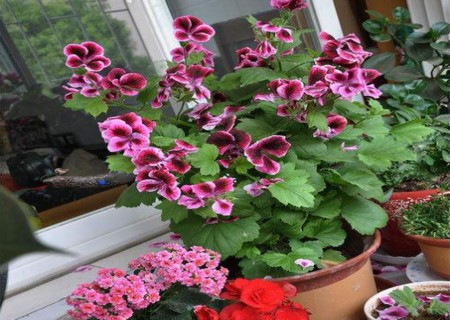
When does the butterfly pansy bloom?
The butterfly pansy blooms early and has a long flowering period. When the flowers are in full bloom, the colors are gorgeous and butterfly-like, making it a main decorative material for spring and autumn flower beds. The time depends on the desired flowering time. Sowing in spring from March to April brings flowering from June to October, with poor development, small flowers and sparse flowers. Sowing in autumn from September to October brings flowering in February to March of the second year, with a long flowering period, large flowers and many flowers.
Why does the butterfly pansy not bloom?
People who cultivate ornamental flowers and trees all hope for many flowers, large flowers and beautiful colors. But in practice, some ornamental plants grow very lush branches and leaves yet do not bloom; some bloom but with small flowers and pale colors; and some even keep dropping flowers and buds, or the flowers wither before opening. The author believes these phenomena are mainly related to the following 5 factors.
1. Physiological factors
The butterfly pansy is a type that differentiates flower buds in winter and spring. It carries out flower bud differentiation once each year when the temperature is relatively low in winter and spring, and the period from differentiation to flowering is short and continuous. During flower bud differentiation, the conditions for its growth and development should be met to ensure smooth flower bud differentiation, so that it can have many and beautiful flowers.
2. Water and fertilizer factors
During the growth period of flowers, excessive water and fertilizer can easily cause excessive vegetative growth of branches and leaves, with nutrients mostly used for the growth of roots, stems and leaves, affecting flower bud formation and leading to no flowering or very little flowering. Even if it can bloom, it is prone to dropping flowers and buds.
If nitrogen fertilizer is applied excessively and phosphorus and potassium fertilizers are lacking, flower bud formation is also affected. Therefore, during flower bud differentiation, attention should be paid to applying more fertilizer containing phosphorus and potassium, or spraying a 0.3% potassium dihydrogen phosphate solution, which is beneficial to flower bud formation and bud setting. If fertilizer is too concentrated during the bud-setting period, or watering is suddenly more and then less, it is very easy to cause flower and bud drop. Lack of fertilizer and water during the flower growth period and poor plant growth can also easily cause few flowers or poor flower quality.
3. Temperature factors
Before the leaf buds of the butterfly pansy transform into flower buds, they are very sensitive to the environment. Because it is a winter-type flower, it requires a low temperature of 0°C to 10°C and 30 days to 70 days to complete induction, such as biennial herbaceous flowers and perennial flowers that bloom in early spring. In flower cultivation, the conditions for flower formation induction should be met as much as possible to promote the transformation of leaf buds into flower buds.
4. Soil factors
Most flowers like acidic soil or neutral soil and are afraid of salinity and alkalinity. Even for flowers tolerant of alkaline soil, the soil pH can only be around 7.5. If the alkalinity of the soil where the butterfly pansy is planted is too high, their development and flowering will be affected.
5. Cutting factors
Which kind of branch is selected as the cutting is also key to whether it can bloom. For vegetatively propagated cuttings, grafting or air layering, the material must be taken from the branch tip part of an adult mother tree that has entered the reproductive stage. These branches are reproductive branches, and new seedlings propagated from such cuttings can bloom in the same year. If vegetative growth branches are used for cuttings, although the new plants grow robustly, they will have no flowers that year because they do not have reproductive genes and cannot differentiate flower buds.