-

What to Do When Boston Fern Leaves Turn Yellow? Plus Division Propagation Methods
The Boston fern is a warmth-loving plant that grows best under warm climatic conditions. Boston ferns are currently very popular on the market, and many people like to buy them and take them home to grow. During the process of growing them, problems with cultivation techniques may
-
How to Propagate Spider Plants by Division: Detailed Methods and Steps
Spider Plant Division Propagation Method: You can lift the spider plant out of the pot, remove the old soil and rotted roots, and cut apart the old roots; make sure each divided plant retains three stems, then transplant and grow them separately. You can also cut off the clustered stems and leaves on the spider plant's stolons (which are actually a
-
The Latest Method for Propagating Cattleyas by Division and Key Points for Daily Care
This popular mass-market orchid, the Cattleya, was discovered on the tropical American continent, and there are now 45-50 species and countless hybrid varieties. Among tropical orchids, the Cattleya has the largest flowers and the most brilliant colors, and internationally it enjoys the reputation of "King of the Tropical Orchids." Through horticulturists
-
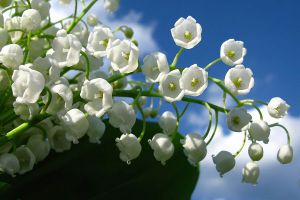
How to divide lily of the valley? Learn the correct division propagation method
Many friends want to turn one pot of lily of the valley at home into several pots, so what should they do? You can use the division method. In spring or autumn when the temperature is not too high, dig it out of the ground together with its roots, cut off the root system with terminal buds, plant it into freshly prepared rich flower soil, cover it with soil, water it thoroughly, and care for it carefully. Before long, you will have new plants growing.
-
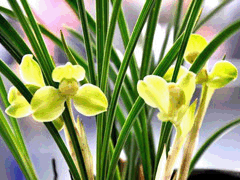
Detailed Explanation of the Rapid Division Propagation Method for Plants
Rapid division propagation method,
-
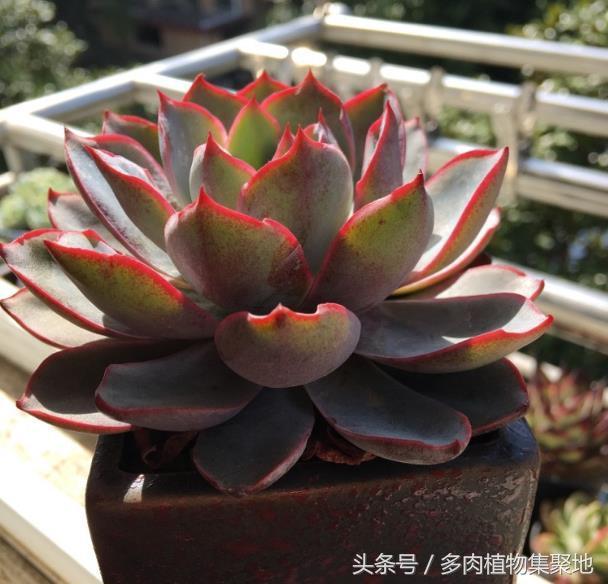
What to do when a succulent turns black in one area after division? Handle it properly and your propagation success rate doubles
Black rot is one of the most common diseases in succulents. It is usually a fungal infection caused by overwatering or an overly humid growing environment. It takes many forms, and by the time you notice it, it is often already too late. Stay vigilant at all times...
-
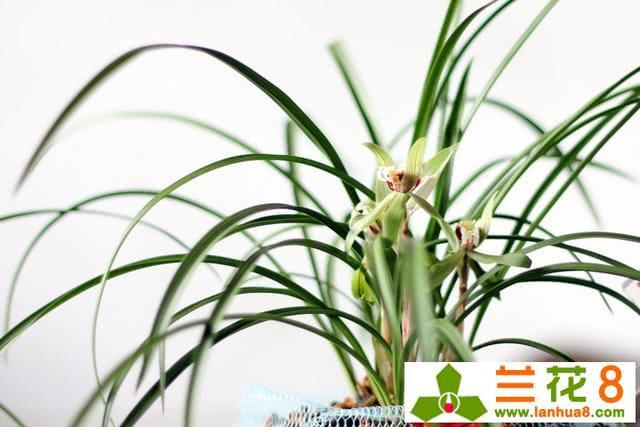
Detailed Explanation of Orchid Division Propagation and Pseudobulb Cultivation Methods
Orchids broadly refer to ornamental plants of the family Orchidaceae, usually divided into two categories: Chinese orchids and exotic orchids. Chinese orchids are traditional precious flowers of our country, with graceful leaf forms, elegant flower colors, and rich delicate fragrance, long known as the "gentleman among flowers," and deeply loved by people...
-
How do you cultivate the offsets from Clivia division propagation?
For Clivia propagated by division, the offsets that have just left the mother plant have relatively weak growth capacity, so careful care is needed for the offsets to survive. The editor will now introduce how the offsets of Clivia should be cared for after division.
-
Detailed Explanation of Aspidistra Division Propagation Methods and Steps
Aspidistra, also known as cast iron plant, is not difficult to cultivate, and through long-term cultivation and breeding, there are now more and more varieties of aspidistra. Some flower enthusiasts whose aspidistra has grown very tall and lush will want to propagate new aspidistra. Generally, the common propagation method for aspidistra is division propagation.
-
Detailed Guide to the Division Propagation Method and Steps for Staghorn Fern
Staghorn fern likes warm, humid and sheltered environments. In nature, staghorn fern often grows attached to tree trunks or rocks. Staghorn ferns grown for horticultural use are mostly pendulous in form and are often cultivated as indoor hanging plants, full of tropical flavor and with a distinctive charm of their own
条件筛选