Detailed Explanation of the Rapid Division Propagation Method for Plants
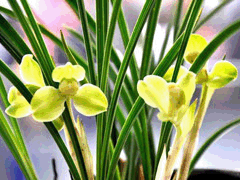 Rapid division propagation method,
Wildorchidsreproduce through seed dispersal and natural tillering, and domestication and cultivation are carried out. At home, the simple and easy division propagation method, which can also preserve the characteristics of the variety, is mostly used for propagation, but this propagation method is slow. The author has worked out a rapid division propagation method. Each plant with relatively good vitality can sprout four or five new shoots a year. This method has won a bronze medal for science and technology and a paper award, and has been included in the "ChinaOrchidPaper Collection" and the "ChinaOrchidAtlas" respectively. A brief introduction is as follows: 1. Create conditions, increase the accumulation of organic matter, improve meristem vitality, and lay a solid foundation for rapid tillering propagation. Its specific practices can be summarized as: plant in loam with the pseudobulbs exposed, provide air circulation on all six sides, keep it on the dry side while maintaining suitable moisture, frequently shield it from frost and rain, strive to avoid pollution sources, give full light in winter and spring, provide half shade in summer and autumn, prevent and control pests and diseases early, supply nutrients according to need, remove flower spikes early, and supplement complete nutrients after flowering. 2. (When spring temperatures rise and stabilize) divide and spread-plant in the cool autumn to promote tillering: in order to enjoy the flowers, three or four generations should be planted together, but plants planted together depend on one another, and the individual tillering ability is not strong; only the new plants can tiller naturally. If they are separated and spread-planted, forcing them to stand on their own, the tillering ability can become vigorous, and the sprouting rate will be high. However, when separated into single plants and spread-planted, often because the original growth vigor of the plants is not strong, tearing easily occurs at the base of the pseudobulbs during separation, leading to stem rot and death, and the new plants that sprout have only two leaves and grow slowly. For this reason, it is recommended to separate two plants into one group, with the two plants slightly separated but not fully detached. When dividing the plants, pay attention to applying force toward the pseudobulbs of the old plants, cut the connecting body open with a sterilized knife, then cut off dead roots, broken roots, and diseased leaves, and plant them into new orchid soil, manage at constant temperature for one month, and then carry out normal cultivation. Apply more cooked and crushed bone meal, and spray 800 to 1,000 times diluted potassium dihydrogen phosphate weekly (ammonium nitrate is better, or 0.1% compound fertilizer water with a nitrogen-phosphorus-potassium ratio of 3:1:1 has an even better effect). When spring temperatures are about to rise, spray or water weekly with one of 1,000 to 1,500 times diluted Yiaiduoshou, Yigaochangling, Yemianbao, Yihuabao, or a sprouting agent, used alternately. Also provide more light (or simulated light from lamps), and pay attention to keeping warm. In this way, a gratifying sprouting rate can be achieved.