-
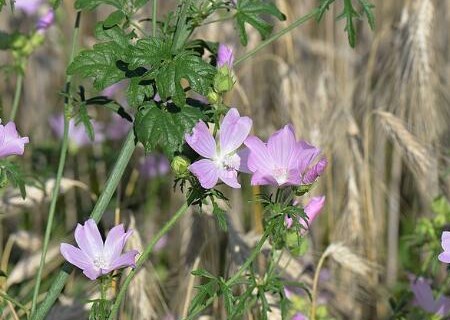
How do you care for Hibiscus syriacus (rose of Sharon) of the Malvaceae family? What are the propagation methods? How is it different from Chinese hibiscus?
Hibiscus syriacus (rose of Sharon) is a very common shrub flower species in gardens. In landscaping it can be used as a flowering hedge or green hedge, and can be planted alone or in groups. It is native to the central provinces of China and is cultivated everywhere. So do you know how to care for rose of Sharon? What are the propagation methods? How is it different from Chinese hibiscus? How to care for rose of Sharon
-
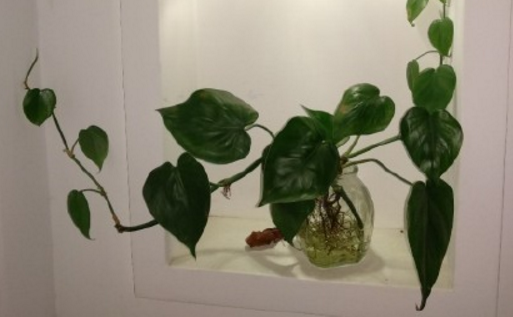
How to grow Philodendron hederaceum (heartleaf philodendron) and what to watch out for? How to fertilize? How is it different from pothos?
Heartleaf philodendron, also called heartleaf philodendron, emerald philodendron, and apricot-leaf vine, so what are the growing methods and precautions for heartleaf philodendron? How to fertilize? How is it different from pothos? According to available information, heartleaf philodendron likes a semi-shaded growing environment, prefers a warm growing environment, and needs a somewhat humid environment.
-
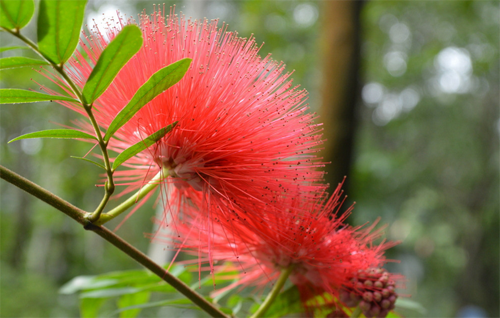
How to grow the silk tree flower, and how is it different from mimosa?
Many people love growing the silk tree flower (Albizia julibrissin). It is not only ornamental but can also be used to treat insomnia. So how do you grow it? Why do the seedlings look so much like mimosa when young, and how do you tell them apart? How to grow the silk tree flower: the red-flowered silk tree is relatively cold-tolerant and drought-tolerant
-
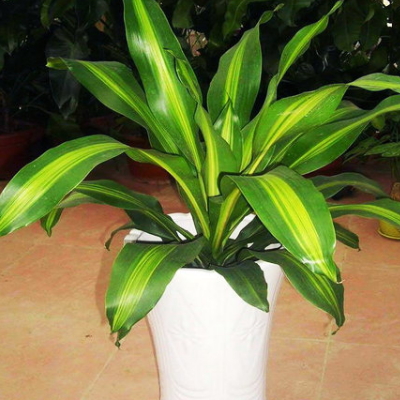
How do you care for a Brazil iron plant, and how is it different from a Yemen iron plant?
The Brazil iron plant (Dracaena fragrans) is a very attractive plant that grows up easily. How do you care for a Brazil iron plant? What is the difference between the Brazil iron plant and the Yemen iron plant? How to care for a Brazil iron plant: 1. The Brazil iron plant likes warmth, tolerates shade and fertilizer but not cold, and is suitable for growing in a loose, well-drained and fertile substrate.
-
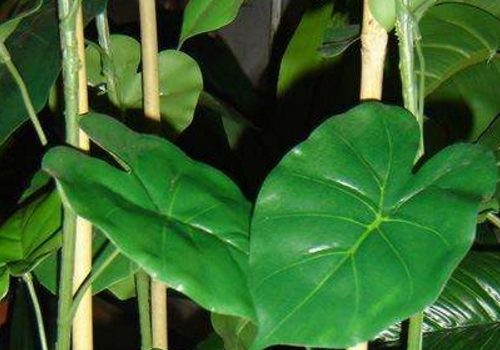
Why does Alocasia macrorrhizos get root rot and how is it different from Spathiphyllum
Alocasia macrorrhizos, many people have seen it, they just don't know its name. Why does Alocasia macrorrhizos get root rot? How is it different from Spathiphyllum? Why does Alocasia macrorrhizos get root rot: 1. Root rot in soil-grown Alocasia macrorrhizos is mainly caused by the potting soil being too wet. When the potting soil is too wet, the rhizomes of Alocasia macrorrhizos easily rot. The cause of overly wet potting soil may be that you watered too much, leading to water accumulation in the pot, or it may be that the soil is highly clayey, has poor aeration, and easily retains water on its own.
条件筛选