How to grow Philodendron hederaceum (heartleaf philodendron) and what to watch out for? How to fertilize? How is it different from pothos?
Heartleaf philodendron, also called heartleaf philodendron, emerald philodendron, and apricot-leaf vine, so what are the growing methods and precautions for heartleaf philodendron? How to fertilize? How is it different from pothos? According to available information, heartleaf philodendron likes a semi-shaded growing environment, prefers a warm growing environment, and needs a somewhat humid environment. Heartleaf philodendron is rather afraid of direct sunlight.
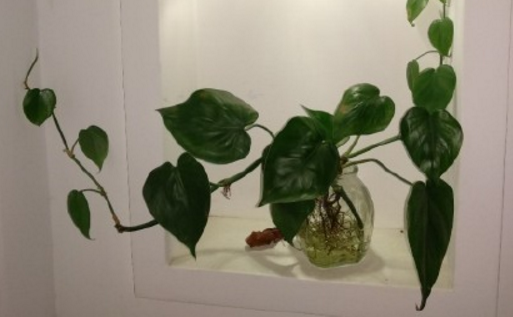
I. Growing methods and precautions for heartleaf philodendron?
1. Light requirements for growing heartleaf philodendron
Heartleaf philodendron itself does not have high light requirements, but it cannot do without light. The best case is receiving four to six hours of light a day. In winter, when sunlight is not very abundant, it can be placed outside for long periods to get more sunlight. However, winter weather is relatively cold, and at night the plant may well suffer frost damage, so extra care is needed; when necessary, give it some window insulation treatment. In summer, the weather is relatively hot and the sunlight is relatively harsh, so it should be properly shaded.
2. Humidity requirements for growing heartleaf philodendron
The humidity requirements for heartleaf philodendron growth change with the seasons. In winter, less water can be added appropriately. However, in summer, because the sunlight is harsh, water evaporates faster than we can imagine, so more water can be given appropriately. But try to avoid watering it at noon. At noon, the weather is hot and the plant's stomata are open; watering at this time will damage the plant's stomata and restrict the growth of heartleaf philodendron.
II. How to fertilize?
Fertilizing methods
1. When planting heartleaf philodendron, use a well-drained, slightly acidic soil, and at the same time apply some organic base fertilizer to the soil, so as to provide sufficient nutrients for its later growth and development.
2. When heartleaf philodendron is growing vigorously, usually from May to September, be sure to topdress, but not too much; generally fertilizing once or twice a month is enough. You can choose some water-soluble fertilizers; otherwise, its leaf stalks will grow too long and soft, without an upright effect, and then it will not look good.
3. Under normal circumstances, apply a liquid fertilizer to heartleaf philodendron once every half month. Just spray the liquid fertilizer onto its leaves; this can make its leaf color a deeper green for longer and make the overall shape especially attractive, greatly enhancing its ornamental value.
4. In late autumn and in winter, heartleaf philodendron growth becomes especially slow, or even stops growing. At this time it must not be fertilized, otherwise it will break its dormant state and affect its growth when temperatures rise again.
Fertilizer recommendations
The growth of heartleaf philodendron needs balanced nutrition, and such fertilizer should also be chosen when fertilizing. It is generally recommended to buy a foliar fertilizer specially suitable for heartleaf philodendron from a professional flower shop. Such fertilizer can quickly supplement comprehensive nutrition, promote its robust growth, and can also be used when it has just been planted, which can greatly increase the survival rate of heartleaf philodendron and also increase its tillering, and the glossiness of the leaves will also be greatly improved.
III. How is it different from pothos?
Color
1. Heartleaf philodendron
The easiest way to distinguish them is by color. The leaf color of heartleaf philodendron is relatively simple, a deep dark green, because this leaf color is very similar to the color of emerald, so it also has the name emerald.
2. Pothos
Pothos is more complicated. Because this plant has been bred for a relatively long time and there are many cultivated types, its colors are also many. However, under normal circumstances the color is a relatively light emerald green, and it can easily be distinguished from heartleaf philodendron.
In addition, there are also varieties whose leaves are a light golden yellow, but the more common varieties have many stripes on the leaves, and they are also very easy to distinguish.
Leaf shape
1. Heartleaf philodendron
In fact, it can be seen from the name: the leaves of heartleaf philodendron look like little hearts, and the shape is very regular, so it is also relatively good-looking and therefore liked by many enthusiasts. At the same time, if you observe the whole plant, you will find that the leaves of heartleaf philodendron are the same size from bottom to top, with no change.
2. Pothos
With this plant, although some leaves are also heart-shaped, they are not very regular; they are generally rather elongated. If the two plants are placed together, it is easy to tell.
In addition, there are also some varieties with broad ovate leaves, and this shape is even easier to distinguish. I believe everyone can tell at a glance after seeing it, without needing extra explanation. Overall, with this plant, the leaves at the bottom are a bit broader, and they get smaller and smaller going upward, presenting a pyramid shape.
Form
1. Heartleaf philodendron
In overall form, the two can also be distinguished to some extent. This is mainly because the two belong to different plant varieties, so they present this appearance. The overall form of heartleaf philodendron is drooping, with leaves spread out and hanging downward, very aesthetically pleasing.
2. Pothos
The leaves of pothos are relatively ordinary, spreading outward overall, like petals split from the middle, very easy to identify, without needing much explanation.