-

Differences Between London Plane, Chinese Parasol Tree and Paulownia - A Quick Guide to Telling Them Apart
In the vigorous development of urban greening and landscaping, identifying and selecting tree species is an important task. The London plane, paulownia and Chinese parasol tree may look like three sisters in urban landscaping, but in fact they belong to different families and genera, and differ greatly in morphology. The London plane is a large deciduous tree of the genus Platanus in the family Platanaceae. Its name comes from its leaves resembling those of the Chinese parasol tree; it was introduced from abroad in old China and was first planted in the French concession of Shanghai, hence the name "fa tong" (French plane). The London plane is actually a collective name for Platanus orientalis and Platanus acerifolia of the genus Platanus. Platanus orientalis reaches 30 m tall, with dark gray bark that peels off in thin flakes, revealing a greenish-white inner bark. Young branches are covered with yellow-brown stellate hairs. Leaves are 8 to 16 cm long and 9 to 18 cm wide, with 5 to 7 deep lobes reaching to or below the middle, the lobes narrow and long, covered with gray-yellow stellate hairs when young and later shedding. The common stalk bears spherical fruit heads 2 to 2.5 cm in diameter, with spiny styles 3 to 4 mm long; flowering in May, fruiting in September to October. Platanus acerifolia is a hybrid of Platanus orientalis and Platanus occidentalis, bred in London, England. It reaches 35 m tall, with bark peeling off in thin flakes and a pale greenish-white inner bark. Young branches and leaves are densely covered with pale brownish-yellow stellate hairs. Leaves are 10 to 24 cm long and 12 to 25 cm wide, with a flat or slightly heart-shaped base, 3 to 5 deep lobes, the middle lobe nearly equal in length and width, with entire or sparsely coarse-toothed margins. Fruit heads are about 2.5 cm in diameter, with spiny styles 2 to 3 mm long. Flowering in April to May, fruiting in September to October.
-
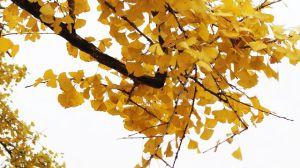
What are the differences between apricot trees and ginkgo trees? A quick guide to telling them apart
Appearance: The apricot tree has a long round or round crown. The ginkgo tree has a conical crown, and the branch color is different. Leaves: The apricot tree has round ovate or broadly ovate leaves that are green. The ginkgo tree has fan-shaped leaves that are light green and turn yellow before leaf fall. Fruit: The apricot tree's fruit is spherical and yellow-red when ripe. The ginkgo tree's fruit is elliptical and white.
-
-
-

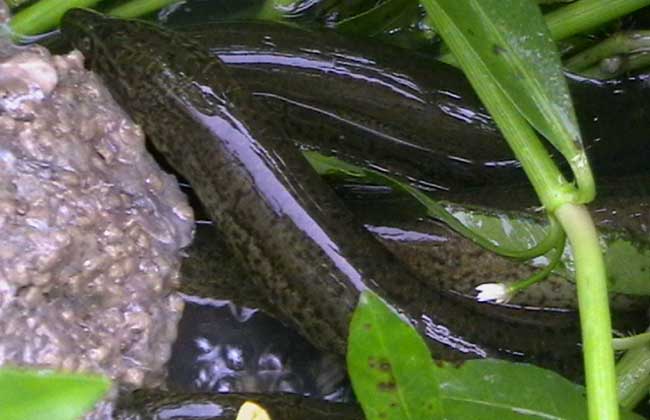
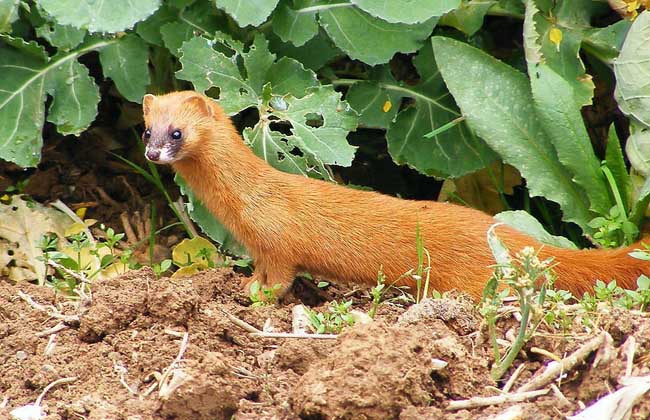
What are the differences between carp and crucian carp? A quick guide to telling them apart
The differences between carp and crucian carp
-
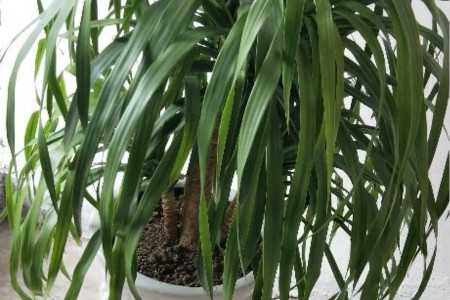
A detailed explanation of the differences between Yucca elephantipes and Dracaena, and which one is easier to grow
The differences between Yucca elephantipes and Dracaena, and which one is easier to grow
-
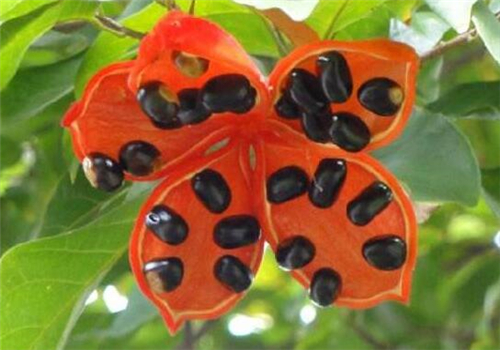
How to grow the evergreen tree Sterculia monosperma? Ripening months and the four main differences from Sterculia lanceolata
Sterculia monosperma is an evergreen tree that stays green all year round, also known as the "phoenix eye fruit." It is planted in courtyards in Guangdong, China, but not in large numbers, only sporadically. So how do you grow Sterculia monosperma? Which month does it usually ripen? Here are the four main differences from Sterculia lanceolata. 1. How to grow Sterculia monosperma? The growing techniques are as follows: Planting and establishment
-

Grafting and Propagation of Red Plum Blossom Saplings and Their Differences from Wintersweet
Grafting and Propagation of Red Plum Blossom Saplings and Their Differences from Wintersweet
-
Characteristics of Japanese Early Cherry and Its Differences from Japanese Late Cherry
Characteristics of Japanese Early Cherry and the Differences Between Japanese Early Cherry and Japanese Late Cherry
-
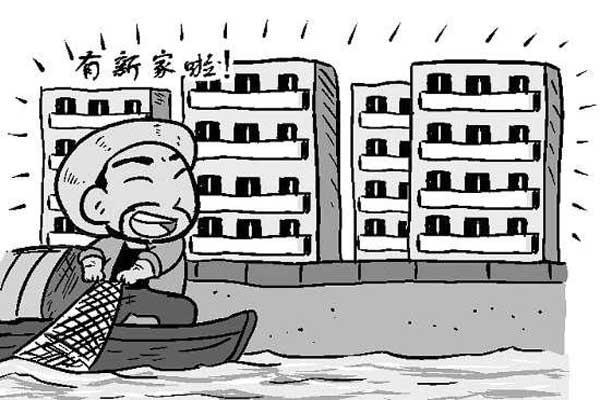
How are rural dilapidated house renovation subsidies paid? Understanding the differences in amounts between households
How are rural dilapidated house renovation subsidies paid, and why does your household get more while another gets less?
条件筛选