-
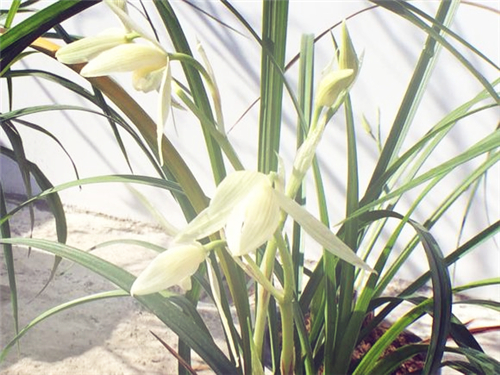
How much does one Cymbidium goeringii 'Dasuxin' orchid cost? Blooming period, care, and differences from 'Xiaosuxin'
Dasuxin, also known as Dasuxin orchid or Yuandan, is a common flower in the Orchidaceae family. It originates from parts of Yunnan and is named for its snow-white flowers that resemble heavy snow. Many people now like to grow it indoors.
-
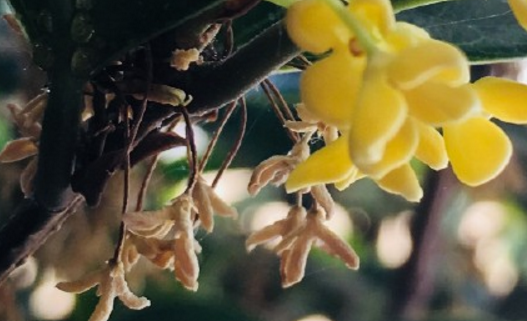
Differences Between Four-Season Osmanthus and Golden Osmanthus, and Solutions for Leaf Drop and Failure to Bloom
The flowers of the four-season osmanthus are slightly white or pale yellow, with a fainter fragrance and thinner leaves. It is a variety of osmanthus in the genus Osmanthus. So what are the differences between the four-season osmanthus and the golden osmanthus? What should you do if it drops leaves? What should you do if it does not bloom? According to available information, the four-season osmanthus prefers a warm and humid climate and has a certain degree of cold resistance, but it is not tolerant of severe cold. It likes light and is also shade-tolerant.
-
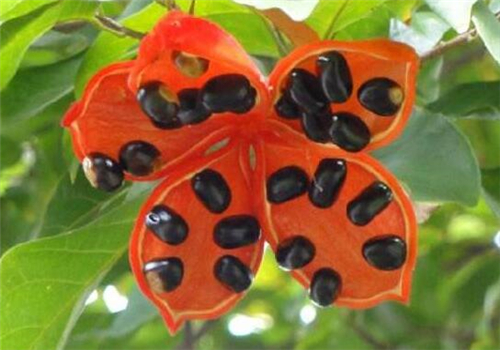
How to grow the evergreen tree Sterculia monosperma? Ripening months and the four main differences from Sterculia lanceolata
Sterculia monosperma is an evergreen tree that stays green all year round, also known as the "phoenix eye fruit." It is planted in courtyards in Guangdong, China, but not in large numbers, only sporadically. So how do you grow Sterculia monosperma? Which month does it usually ripen? Here are the four main differences from Sterculia lanceolata. 1. How to grow Sterculia monosperma? The growing techniques are as follows: Planting and establishment
-
Differences Between Rhododendron pulchrum and Spring Azalea, Plus Cultivation Methods and Landscape Uses of Rhododendron pulchrum
Differences Between Rhododendron pulchrum and Spring Azalea, and Cultivation and Landscape Uses of Rhododendron pulchrum
-
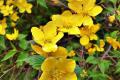
What Is the Difference Between Forsythia viridissima and Forsythia suspensa? A Quick Guide to Telling Them Apart
[Difference Between Forsythia viridissima and Forsythia suspensa] What Is the Difference Between Forsythia viridissima and Forsythia suspensa
-
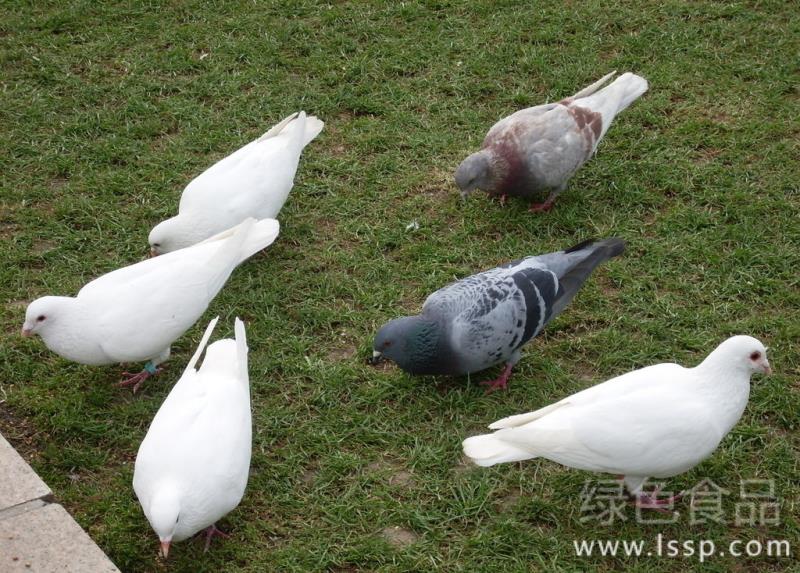
Squabs not fattened have low grade price differences; how to fatten them quickly and rationally?
Squabs not fattened, low grade price differences, how to fatten squabs quickly and rationally
-
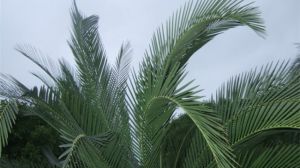
What is the difference between the Canary Island date palm and the pygmy date palm?
Tree form differences: the Canary Island date palm can reach 15 m tall, with a cylindrical trunk; the pygmy date palm has clustered stems, 1 to 3 m tall. Leaf differences: the Canary Island date palm has short, yellowish-brown leaf stalks and pinnate compound leaves; the pygmy date palm has linear pinnae, dark green. Flower differences: the Canary Island date palm has a spicate inflorescence, yellowish-brown; the pygmy date palm's inflorescence is 20 cm long, with needle-shaped petals.
-
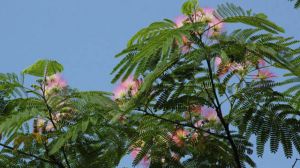
The difference between acacia trees and silk trees: easily distinguished by leaves and flowers
Trunk distinction: The trunk of the acacia tree has many thorns distributed on it; the trunk of the silk tree has no thorns. Leaf distinction: The former blooms first and then grows leaves; the latter grows leaves first and then blooms. Flower distinction: The former's flowers are yellow; the latter's flowers are white or pink.
-
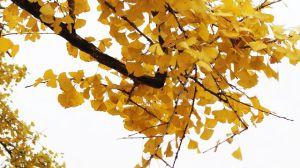
What are the differences between apricot trees and ginkgo trees? A quick guide to telling them apart
Appearance: The apricot tree has a long round or round crown. The ginkgo tree has a conical crown, and the branch color is different. Leaves: The apricot tree has round ovate or broadly ovate leaves that are green. The ginkgo tree has fan-shaped leaves that are light green and turn yellow before leaf fall. Fruit: The apricot tree's fruit is spherical and yellow-red when ripe. The ginkgo tree's fruit is elliptical and white.
-
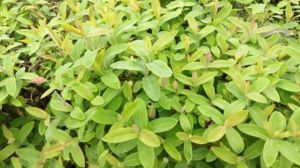
What is the difference between boxwood (Buxus bodinieri) and Chinese boxwood (Buxus sinica)?
Leaves: The former is thinly leathery, spoon-shaped, also obovate or narrowly ovate. The latter is leathery, oblong, broadly obovate, broadly elliptic or ovate-elliptic. Appearance: The former is a shrub, initially with short soft hairs that later fall off leaving it hairless. The latter has short soft hairs that do not fall off.
条件筛选