-
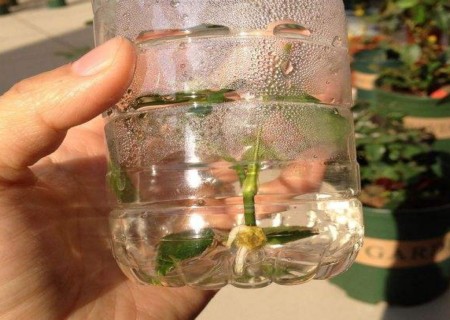
How to propagate roses by cuttings? A lazy person's method
As everyone knows, potted roses are mostly propagated by cuttings and grafting, and right now is the best season for rooting rose cuttings. You may have come across many methods for rooting rose cuttings, and precisely because there are so many methods, you may not know which one to choose. Actually, what the editor wants to tell you is that no matter how you do it
-
Detailed Guide to Fig Cuttings: Master the Method to Improve the Survival Rate
Figs have high edible and medicinal value and are also somewhat ornamental. Besides being planted in the ground, they can also be grown in pots, and even made into bonsai for appreciation. To grow figs in pots, the first issue to solve is the source of seedlings. Fig seedlings can be obtained through cuttings, division, and layering.
-
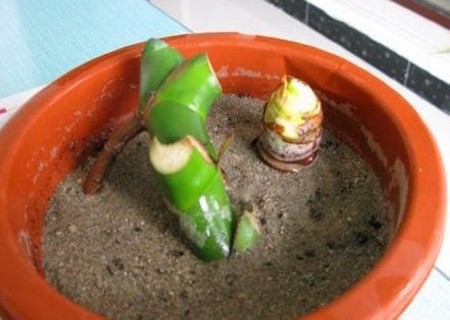
How to Propagate Monstera deliciosa from Cuttings? A Step-by-Step Guide to the Correct Method
Monstera deliciosa (swiss cheese plant) has become a common foliage houseplant in recent years. It prefers cool, shady spots, and its leaves are unusual and full of character, making it beautiful even when it does not bloom. Speaking of blooming, many people believe Monstera deliciosa does not flower, but it is actually a flowering plant; it is just very difficult to get it to bloom
-
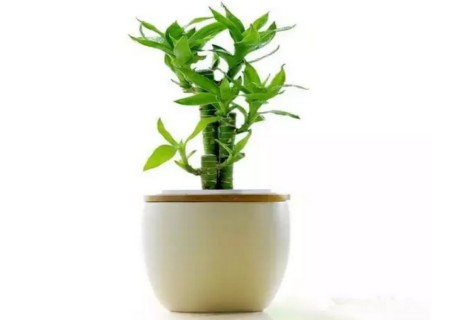
How to propagate lucky bamboo by cuttings? A step-by-step guide to the correct method
Lucky bamboo likes to grow in a warm and damp, shaded environment, and can be propagated by cuttings, which can be done either in water or in soil. In the earlier article "How to Grow Lucky Bamboo So It Roots Easily Without Yellowing Leaves," we illustrated the water-cutting propagation method for lucky bamboo
-
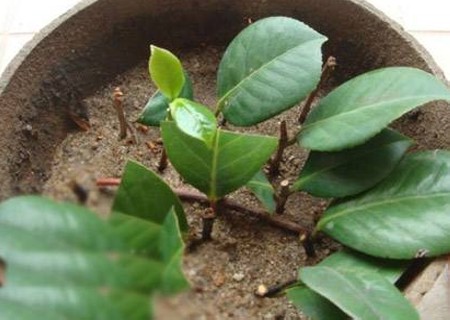
Detailed Explanation of Camellia sasanqua Cutting Methods and Technical Points
Camellia sasanqua is a high-quality flowering shrub species, widely used in landscaping and with broad development potential. As long as it is grown well, this species not only has a very graceful tree form but also presents a scene of abundant flowers and lush foliage. More importantly, growing Camellia sasanqua in pots also offers very high ornamental value
-
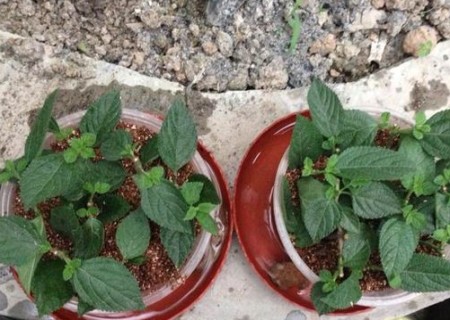
Detailed Explanation of the Cutting Method and Steps for Lantana
Lantana (Lantana camara), an evergreen small shrub also known as shrub verbena, often gives off a distinctive scent and is rich in color. The flowers of lantana are composed of many small florets, combining multiple colors such as yellow, red, pink, orange, and blue, and each inflorescence displays five colors
-
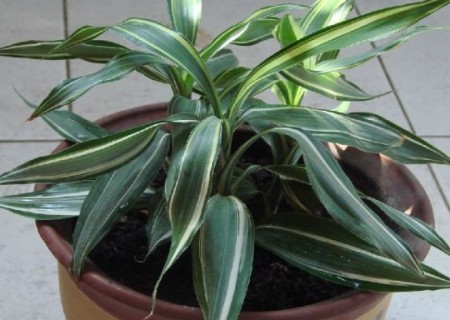
Detailed explanation of the cutting propagation method and steps for the dragon tree
Dracaena reflexa, also called short-leaved dragon tree, is a very high-grade foliage plant, with emerald green and glossy leaves, very beautiful, and it is grown as a potted plant in many places. Its propagation is mostly carried out by cuttings, so how do you take cuttings from a potted Dracaena reflexa? Below
-
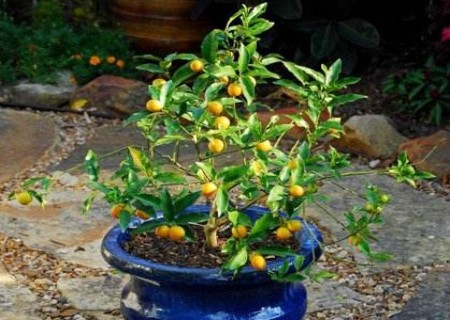
How to propagate potted kumquat by cuttings? Teach you the correct method
Kumquat, native to southern China, is mostly grown in pots for display. It generally begins blooming in early summer and its fruit ripens in late autumn. It is a potted fruit tree that combines flower and fruit appreciation. Potted kumquat has high ornamental value, especially during the flowering and fruiting period. So how is this fruit tree propagated in pots?
-
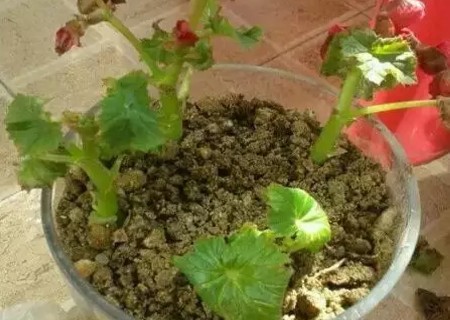
How to propagate Rieger begonia by cuttings? Detailed explanation of the potted cutting method
Rieger begonia (Begonia × hiemalis) is deeply loved by everyone for its large and brilliant flowers. This flower can not only be used as cut flower material, but can also be grown as a potted plant for ornamental purposes. Potted Rieger begonia is generally propagated into young plants through cuttings, and cuttings are divided into stem cuttings and leaf cuttings. No matter which method is used, each has its own advantages
-
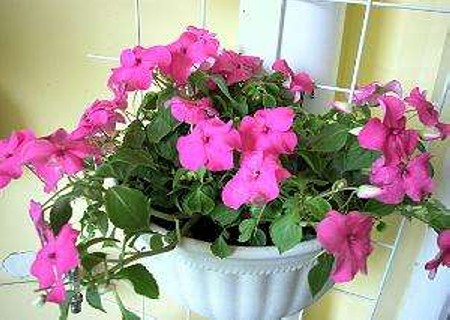
How to Propagate African Impatiens from Cuttings? Detailed Methods and Steps
African impatiens has quite a few other names, such as Sudan impatiens, glass balsam, and so on. This plant generally does not grow very tall, and its flower colors are bright and rich, making it very suitable for pot cultivation for ornamental purposes. The stems and leaves of African impatiens appear quite smooth and glossy, and the number of blooms it produces is also very large
条件筛选