-
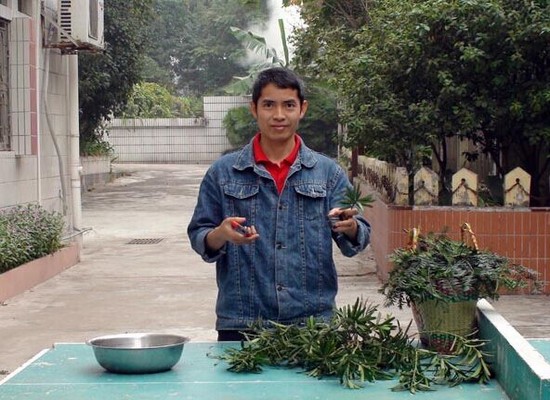
Detailed Explanation of Cutting Propagation and Seedling Methods for Bonsai
Cutting propagation has the advantages of being simple and quick to perform, efficient and inexpensive. Normal cutting seedlings have well-extended root systems, a high survival rate, and fast growth, and are deeply welcomed by farmer friends. 1. Mechanical treatment 1. Peeling For fruit trees with relatively well-developed cork tissue on the branches, and varieties that are difficult to root, peel off the epidermal cork layer before cutting.
-
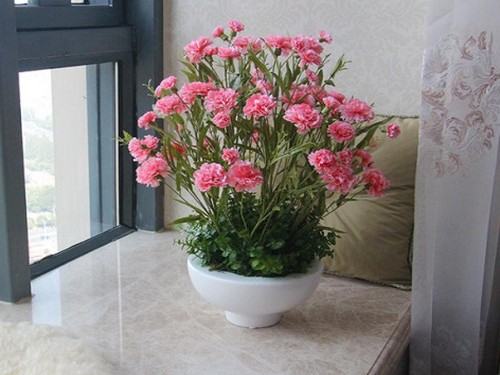
How to Propagate Carnations from Cuttings? Detailed Cutting Methods and Steps
Carnation propagation is divided into two types: asexual propagation and sexual propagation. Sexual propagation often has a low seed-setting rate, and the offspring grown from seed show great variation in traits and slow seedling growth, so it is rarely used in production. In production, asexual propagation is widely used, mainly cutting propagation, which has the advantages of abundant cuttings, stable traits and quick results.
-
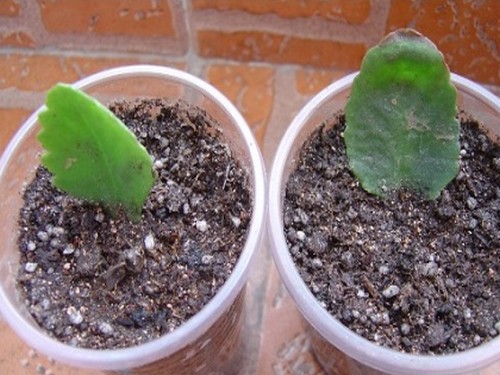
How to propagate Kalanchoe blossfeldiana by cuttings? Home potted methods and precautions
After the renovation was finished, I kept a Kalanchoe blossfeldiana at home. Not bad - Kalanchoe blossfeldiana, namely dwarf kalanchoe, is a perennial succulent herb with opposite leaves that are plump, tender and juicy and break easily; it has terminal cymes, with flowers in colors such as orange-red, yellow and red. The Kalanchoe blossfeldiana plant is short and compact, with a long flowering period, abundant blooms and high ornamental value
-
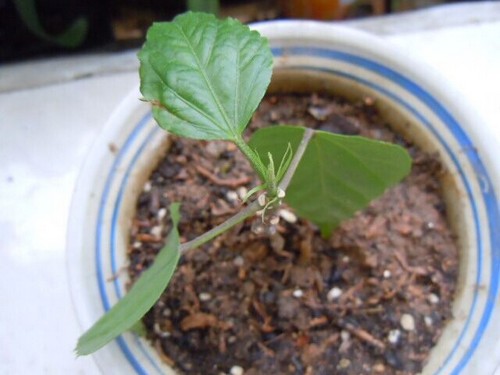
Detailed Guide to Hibiscus Cutting Propagation, Master the Method Easily
Hibiscus is deeply loved by everyone. If there are some walls at home, or even a corner that is not very attractive, you can plant a hibiscus there. It grows very fast and can immediately fill in the corner. Moreover, its roots will not damage the wall foundation. However, it cannot be planted too close to a window, because it grows very fast
-
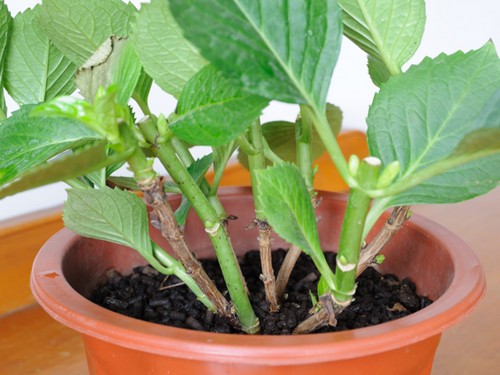
Hydrangea (Hydrangea macrophylla) Potted Cutting Propagation Method
The entire hydrangea plant is toxic. It has no particular smell itself, but if ingested it can cause colic, abdominal pain, diarrhea, shortness of breath, vomiting, bloody stool and other symptoms of poisoning. So it is best not to keep it indoors, and even more so, do not covet the beauty of its flowers and want to pick them to play with. If you have bought a potted hydrangea for your home
-
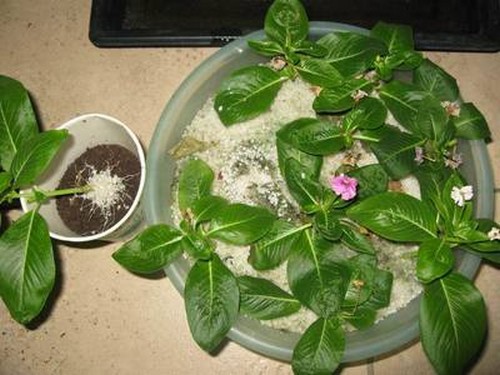
Detailed Guide to Periwinkle (Catharanthus roseus) Cutting Propagation Methods and Techniques
For periwinkle cuttings, generally in spring or early summer, take softwood shoots 8-10 cm long, remove the lower leaves, keep 2-3 pairs of leaves at the tip, insert into a sand bed or leaf mold, keep the cutting medium slightly moist, at a room temperature of 20-24°C, roots will form 15-20 days after cutting. Cuttings are mostly taken from April to July.
-
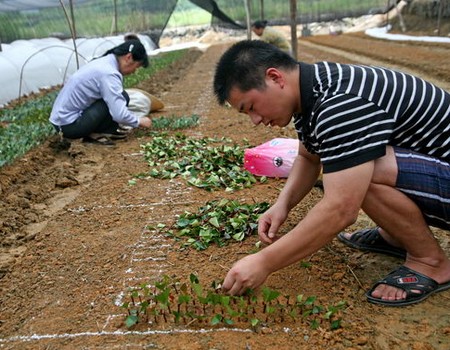
Detailed Explanation of Photinia Cutting Propagation Methods and Techniques
The photinia has a rounded crown, glossy green leaves, purplish-red young leaves in early spring, scattered white flowers in late spring, and abundant red fruits in autumn, making it highly ornamental. It is a well-known garden landscaping tree species, resistant to smoke, dust and toxic gases, and also has soundproofing functions. Photinia propagation mainly uses two methods: sowing and cutting.
-
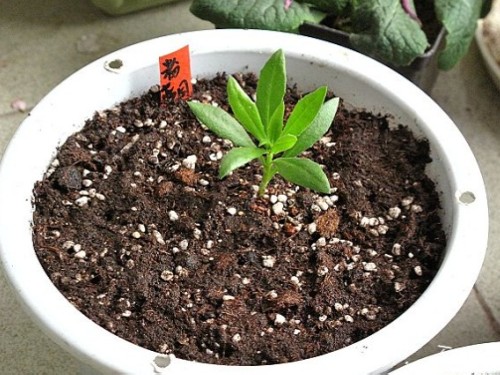
How to propagate the potted blue-eyed daisy (osteospermum) by cuttings? A detailed guide to the method
Someone online says this: the blue-eyed daisy roots very easily from cuttings, and you have to pinch it often, otherwise it shoots up very tall and then flops over, which looks ugly. Just stick the pinched tips in to root, and you can root a lot of them. It also comes in many colors, well worth growing! Use a white plastic pot, put a little yellow sand in the bottom for rooting, cover the top with clear glass, and give it indirect light. It roots very easily
-

Detailed Explanation of Cutting Methods and Steps for Potted Carnations
Carnations are beautiful and carry a wonderful floral message about life. Carnations are a very widely used flower, often given as a flower for mothers. With their high ornamental value and their own beneficial properties, plus their short stature, they are convenient for indoor potting. Carnations are best suited to cutting propagation. There is no limit on the timing of cuttings
-
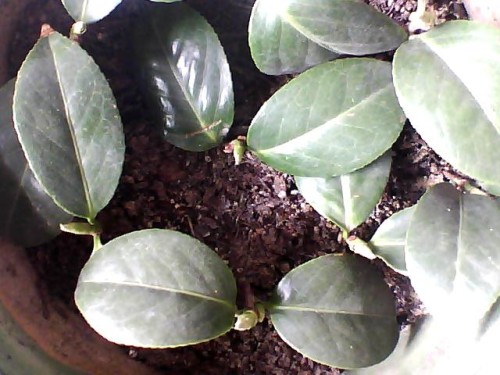
Cutting Propagation Methods and Key Techniques for Potted Camellias
Camellia is a tree species of warm regions, mostly growing at the edges of sparse shade. It is shade-tolerant and fond of warmth; temperatures that are too low or too high are both unsuitable. It is especially strict about soil quality and suits acidic soil with a pH in the range of 5.0-6.5. It grows vigorously in loose, fertile sandy soil or pine-needle soil (a type of mountain soil).
条件筛选