Detailed Explanation of the Cutting Method and Steps for Lantana
Lantana (Lantana camara), an evergreen small shrub also known as shrub verbena, often gives off a distinctive scent and is rich in color. The flowers of lantana are composed of many small florets, combining multiple colors such as yellow, red, pink, orange, and blue, and each inflorescence displays five colors, which is why it is called "lantana." With proper potted care and management, it can bloom throughout the year and is very beautiful.
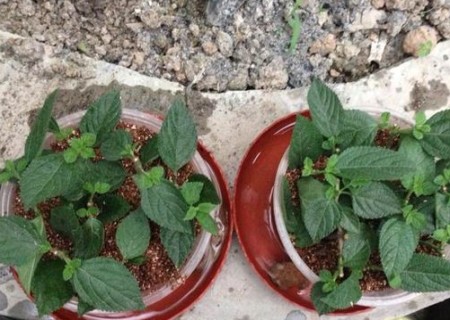
Because lantana has rich and brilliant flower colors, it can be used to make bonsai for appreciation, and young plants are mostly propagated by cuttings. So how exactly do you take cuttings of lantana? Today, the editor will explain its cutting propagation method:
1. First, you need to determine the cutting time. The cutting process for lantana is generally completed during the growing season; lantana cut during this period is more likely to root and sprout, with good stability.
2. Next is cutting the slips. You need to select healthy one-year-old branches from the mother plant as cuttings. In addition to being vigorous in growth, the selected branches should also be ensured to have more than two nodes.
3. After selecting the branches to be used as cuttings, we can use sterilized tools to cut these branches from the mother plant. Then cut them so that every two nodes form one cutting segment.
4. After preparing the cuttings, put the previously prepared sand or vermiculite into a pot (be careful to maintain a certain humidity), and then insert the cuttings into this growing medium at a certain spacing.
5. After cutting is completed, place the entire pot with the lantana branches in a cool place for care and management, while paying attention to keeping the potting soil moist and the air humidity suitable. After about 1 more [period], you can find roots appearing at the base of the cuttings, and at this point you can divide the seedlings and transplant them into pots.
6. For transplanting young seedlings into pots, you should choose sandy loam soil rich in humus and loose and fertile for planting. After potting is completed, carry out timely care and management.
7. In the process of care and management, the first thing that needs to be done well is water and fertilizer management. Sufficient water and fertilizer can ensure rapid plant growth and allow the main stem of the young plant to thicken quickly.
8. In order to maintain a good plant shape, we need to prune excess branches at the appropriate time to control plant height. When the plant grows to a suitable size, we should promptly carry out shaping treatment to ensure the plant maintains good ornamental value.
Of course, in addition to this, we can also cut graceful and well-growing old branches directly from the mother plant for cuttings. The advantage of doing so is that the cut branches can bloom not long after rooting.
But if the goal is to shorten the time needed to make bonsai, we can also use old lantana stumps for cultivation, except that we have certain requirements when choosing old stumps. It is advisable to choose collected mountain stumps with powerful, vigorous branches and an ancient, thick appearance as cultivation material for stump bonsai. This is because such stump material is more ornamental and has a unique artistic effect, but this kind of stump material is not easy to find, especially in the northern regions.