-
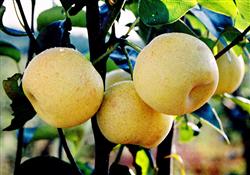
Which crops are suitable for potassium sulfate and potassium chloride application?
Which crops are suitable for potassium sulfate or potassium chloride application? Please give an introduction. Crop chloride tolerance refers to a crop's ability to endure chloride applied to the roots without suffering toxicity; the lower the concentration at which toxicity begins, the poorer the chloride tolerance. Among common crops, those with strong chloride tolerance include sugar beet, spinach, foxtail millet, kenaf, radish, chrysanthemum, rice, sorghum...
-
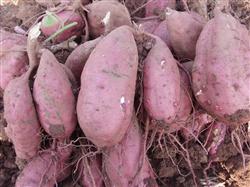
A Detailed Guide to Potassium Fertilizer Application Methods for Underground Tuber Crops
How should potassium fertilizer be applied to underground tuber crops? Why should it be applied this way? Underground tuber crops such as potato, peanut, taro, sweet potato, yam, Jerusalem artichoke, carrot and others all have a potassium-loving nature and a relatively high demand for potassium, so in cultivation even more attention should be paid to applying potassium fertilizer to achieve high yields. For every 1000 kg of potato produced...
-
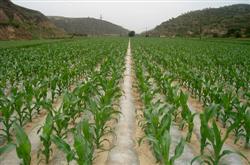
What effect does potassium fertilizer have on crops? Detailed explanation of the benefits of applying potassium fertilizer
What use is applying potassium fertilizer to crops? Please allow me to explain. Potassium fertilizer contains potassium, and potassium is an essential nutrient element for crops. Its main effects include the following aspects: 1. Potassium is an activator of more than 60 biological enzymes and can ensure the normal growth and development of crops. 2. Potassium promotes photosynthesis and can increase crops' absorption of carbon dioxide...
-
Apply fertilizer skillfully, and crops will suffer fewer pests and diseases
Research and practice have shown that using chemical fertilizers or organic fertilizers to control crop pests and diseases is not only economical, safe and effective, but can also save pesticides, while at the same time having a fertilizing effect and the characteristics of not harming natural enemies and not polluting the environment. It can be said to achieve multiple benefits at once and is well worth promoting in production. Nitrogen fertilizer ① Ammonium bicarbonate...
-
Potash fertilizer helps crops resist diseases
In recent years, increasing the application of potash fertilizer and continuously replenishing the depletion of soil potassium have become one of the effective measures for high and stable crop yields. It is not hard to understand that techniques that can make crops robust and grow well will certainly also improve the stress resistance of crops, including drought resistance, cold resistance, disease resistance and other characteristics. In 1998, China...
-
Apply phosphate fertilizer this way, and crops will resist drought and increase income
Crops absorb phosphorus fastest during the seedling stage, and the seedling stage is also the critical period for phosphorus nutrition. If phosphorus is deficient during the seedling stage, it will affect the later growth of the crop. In our province, spring temperatures are low, soil microbial activity is weak, and the release of soil available phosphorus is low. In addition, low soil temperature weakens the root system's ability to absorb nutrients, making it difficult to meet the crop's needs during the critical period of phosphorus nutrition. ...
-
Low potassium fertilizer application rates lead to reduced crop yields
Foliar feeding is a fertilization method in which a diluted solution of chemical fertilizers or trace elements is sprayed onto the leaves and absorbed and utilized by the plant through the leaf stomata, so it is also called topdressing outside the roots. The advantages of topdressing outside the roots are: small dosage, rapid and significant fertilizer effect, the fertilizer is not fixed by the soil and is not affected by the absorption function of the root system...
-
Six major misunderstandings about foliar feeding of crops to avoid
Foliar feeding, also called topdressing outside the roots, is a fertilization measure that cannot be ignored in fruit tree production. This method saves labor and effort, takes effect quickly, and has a high utilization rate. Within 24 hours, 80% of the sprayed fertilizer can be absorbed. For fruit trees such as apples, pears, and hawthorns, spraying during the flowering period can increase the fruit-setting rate; spraying during the leaf and fruit growth periods can promote...
-
What types of fertilizers are prohibited for crops?
Fertilizers are essential for crop production, but not all fertilizers can be used. Some fertilizers not only fail to increase crop returns when applied to crops, but also cause pollution and affect consumer health. Below is an introduction to the types of fertilizers prohibited for use on crops. 1. Organic fertilizers made from urban, hospital, and industrial area waste, harmful sludge, etc. as organic raw materials...
-
What are the methods for topdressing crops? A full analysis of practical techniques
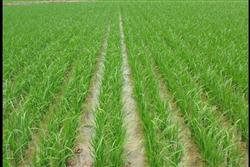
What are the methods for topdressing crops? Please give an introduction. The following methods for topdressing crops are for reference: 1. Direct broadcasting: after the crop is watered or after rain, when the field moisture is suitable and you can enter the field, broadcast the fertilizer directly between the crop rows and plants. Although this method is relatively simple, part of the fertilizer...
条件筛选