-
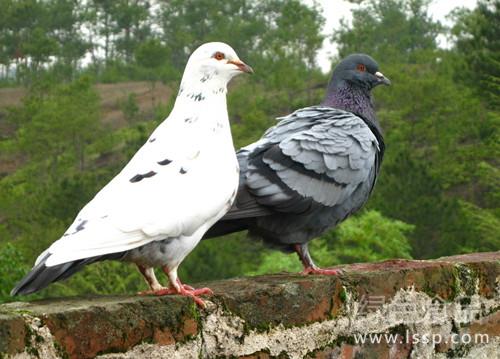
Pigeon with an enlarged, hard crop and poor appetite: how to prevent and treat hard crop disease
Prevention and treatment methods for hard crop disease in pigeons with an enlarged, hard crop and poor appetite
-
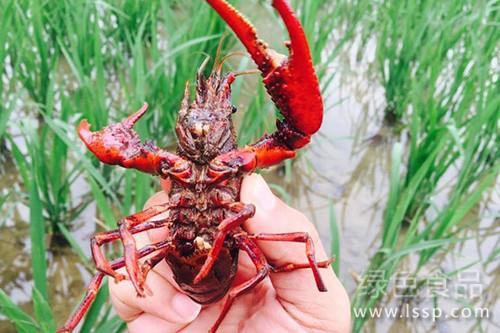
Rice in the fields, shrimp in the water, shrimp waste fertilizes the fields: a new model of rice-shrimp co-cropping
Rice in the fields, shrimp in the water, shrimp waste fertilizes the fields: a new model of rice-shrimp co-cropping
-
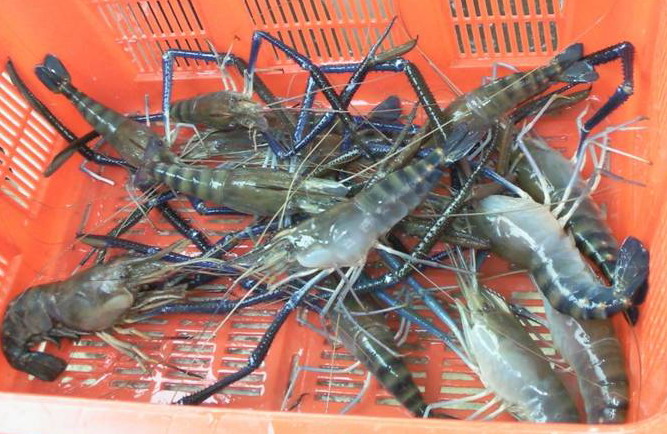
Raising two crops of shrimp a year, using resources to improve farming efficiency
Using resources to improve shrimp farming efficiency: a two-crop-per-year shrimp farming method
-
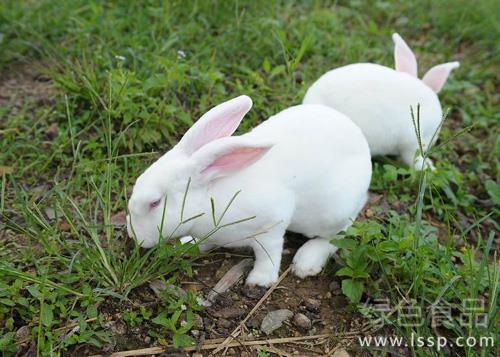
How to prevent and treat impacted crop disease, which young rabbits are prone to after eating
Young rabbits are prone to impacted crop disease after eating; how to prevent and treat impacted crop disease in rabbits
-

What Is Dog Ear Cropping? Methods and Precautions Explained
For some dogs, ear cropping surgery must be performed to make them look more majestic or better-looking, such as Doberman Pinschers, Great Danes, Pit Bulls, and other dogs. In fact, for some breeds, ear cropping, like tail docking, is a traditional custom; without ear cropping, inexperienced people will think the dog is not purebred. Ear cropping is the removal of the drooping part of the dog's ear so that the ear stands erect, making it more full of dignity and charm. When cropping a dog's ears, it is best to do it at 2 months of age, and the cropping varies according to the breed. The width of the dog's face, the length of the head
-
Key Breeding Techniques for Early Growth of the Second-Crop Velvet in Deer
There are 2 methods for harvesting velvet antler: sawing the antler and cutting the antler. Among them, sawing the antler generally starts from 3-year-old deer, and can be harvested 2 times per year. The 1st time is 45-50 days after Qingming, called "first-crop velvet", and the 2nd harvest is 50-60 days later, called "second-crop velvet". To promote early growth of the second-crop velvet, the following measures can be taken: 1. Select superior deer breeds - generally, the regeneration velvet yield of Tianshan red deer and Tarim red deer is significantly higher than that of Northeast red deer, so to obtain more regeneration velvet, it is best to choose to raise these two pure red deer breeds. 2. Utilize hybrid advan
-
Don't Worry About Impacted Crop in Chickens - A Few Simple Remedies for Easy Treatment
① Drenching with oil: Give each chicken 1 tablespoon of sesame oil; it both lubricates and reduces inflammation, helping the food in the crop pass down quickly. ② Vinegar drops: Administer 10 drops of edible vinegar by mouth to soften the fibers, promoting digestion and recovery. ③ Medication: Feed 1 to 3 yeast tablets or baking soda tablets at a time with an appropriate amount of water, and gently massage the crop for 1 to 2 minutes, 2 to 3 times daily.
-
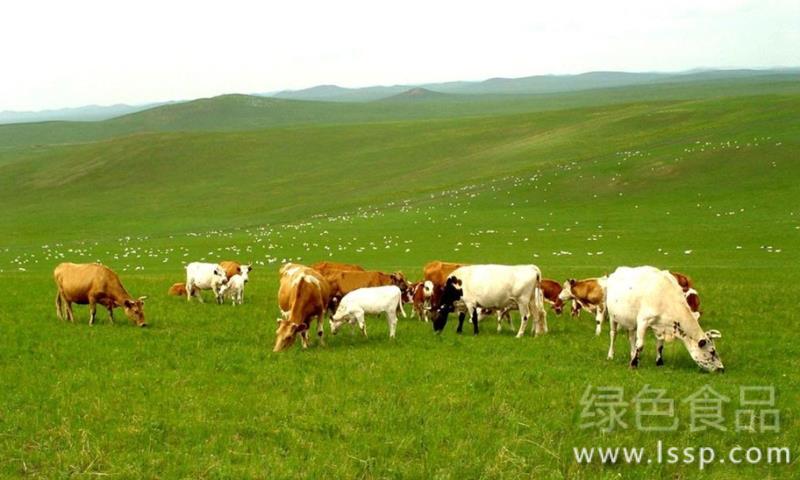
Autumn temperatures fluctuate greatly; when crops are harvested, do not let cattle and sheep eat five kinds of forage
Autumn temperatures fluctuate greatly; when crops are harvested, do not let cattle and sheep eat five kinds of forage
-
Prevention and Treatment of Hard Crop Disease in Chickens
Hard crop disease in chickens, also known as crop impaction, is caused by the crop being filled with food that accumulates and blocks the second esophageal opening below the crop, preventing food from reaching the proventriculus for digestion. It can occur in both adult chickens and chicks, with the latter being more common. I. Causes. It is mainly caused by chickens eating large amounts of feathers, string ends, dry hard indigestible feed, and large hard food items. II. Symptoms. The crop of the affected chicken is noticeably swollen and hard, the bird is depressed, eats little or stops eating, and in severe cases the sick chicken shows difficulty breathing, the comb and wattles turn purple, and finally
-
Key Technical Points and Methods for Direct Seeding Afforestation of Caragana microphylla
Caragana microphylla, a shrub or small tree of the Fabaceae (Papilionaceae) family, is extremely light-demanding, resistant to severe cold and intense heat, highly tolerant of drought and barren soil, and highly adaptable. It is an excellent tree species for sand fixation and soil conservation in deserts and grasslands. Its tender branches and fresh leaves are good fodder for livestock, especially sheep, and it is also a good firewood plantation species. Seeds can be collected for direct seeding afforestation. The seeds mature from July to August; harvest when the pods are hard and yellow-brown. The time from fruit maturity to pod dehiscence is very short, so harvest as they ripen. Dry the harvested pods in the sun and remove the pod shells and debris. Good seeds are yellow-green or cream-yellow and glossy.
条件筛选