Potash fertilizer helps crops resist diseases
In recent years, increasing the application of potash fertilizer and continuously replenishing the depletion of soil potassium have become one of the effective measures for high and stable crop yields. It is not hard to understand that techniques that can make crops robust and grow well will certainly also improve the stress resistance of crops, including drought resistance, cold resistance, disease resistance and other characteristics. In 1998, China...
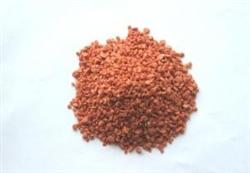
In recent years, increasing the application of potash fertilizer and continuously replenishing the depletion of soil potassium have become one of the effective measures for high and stable crop yields. It is not hard to understand that techniques that can make crops robust and grow well will certainly also improve the stress resistance of crops, including drought resistance, cold resistance, disease resistance and other characteristics.
In 1998, a sustained drought in some areas of China highlighted the effect of using potash fertilizer on winter rapeseed. The reasons are, on the one hand, that potash fertilizer promotes root development, which is beneficial for water absorption; on the other hand, potassium increases the osmotic pressure of the cell sap, maintains the elasticity of the cell wall, and reduces water loss; in addition, potassium regulates the opening and closing of stomata, allowing more water to enter and less to leave, so its drought-resistant effect is naturally obvious.
The role of potash fertilizer in enhancing crop disease resistance is also very obvious, especially against fungal and bacterial diseases that harm roots and stems, such as root rot, stem rot, Phytophthora and Pythium diseases. This is because potassium can thicken plant cell walls, make stems tough, and resist the invasion and internal spread of parasitic bacteria. At the same time, potassium can also promote the transformation of low-molecular compounds such as free amino acids and monosaccharides in crops into high-molecular substances such as proteins, cellulose and starch, thus depriving pathogens of nutrient sources and thereby playing a disease-preventing and disease-resistant role. Many experiments have proven that adequate potassium nutrition can reduce the incidence and severity of rice blast, akiochi (straighthead) disease and sheath blight in rice; stalk rot and smut in corn; scab and powdery mildew in wheat and barley; and mosaic disease in tobacco.
In some places, excessive application of nitrogen fertilizer has led to severe outbreaks of rice blast, rice brown spot, rice sheath blight, barley brown rust, wheat scab and some leaf spot diseases. After combined application of potash fertilizer, most diseases can be significantly reduced, hence the saying that "potash fertilizer is like a pesticide." In fact, potash fertilizer cannot directly kill pathogens, but helps crops resist and suppress them. Its disease-preventing effect is relative and slow. Once very favorable weather for disease development occurs and the disease may become epidemic, targeted pesticides should still be used. In addition, balanced fertilization is also emphasized. Only when potash fertilizer is used in combination with other fertilizers can it play a role in increasing yield and preventing disease, and the application amount is not the more the better.