-
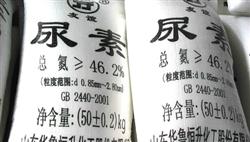
What concentration of foliar fertilizer is appropriate? Master the correct mixing ratio
What concentration of foliar fertilizer is appropriate? I hope experienced readers can help explain. Foliar fertilizer is an effective way to quickly supplement nutrients, relieve physiological diseases caused by a lack of nutrient elements in crops, promote healthy crop growth and increase yield. However, if the concentration of foliar fertilizer is not mastered correctly, it often causes crop damage, so growers...
-

What precautions should be taken when applying urea? A detailed guide to the correct fertilization method
What should be noted when applying urea? Are there any netizens who know about this and can help explain it? Urea is an indispensable fertilizer in agricultural production, but improper operation during urea application can cause the opposite effect. Therefore, Zhongdi Network has compiled the unsuitable methods of urea application, listed in detail below for netizens' reference....
-
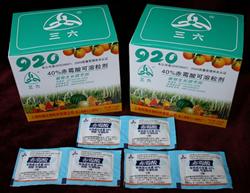
What is gibberellin and how should it be used correctly?
What is gibberellin? How is gibberellin used? Is there any knowledgeable netizen who can help explain? Gibberellin is a broad-spectrum plant growth regulator that can promote crop cell elongation, leaf enlargement, parthenocarpy (seedlessness), and fruit growth. Gibberellin can break seed dormancy, change the ratio of female to male flowers in crops...
-

A detailed guide to foliar fertilizer application methods: master the correct spraying techniques
What are the application methods for foliar fertilizer? Could any reader tell me about them? There are 7 main points to note when applying foliar fertilizer normally, and you can refer to the following list for details (for reference). 1. Fertilize according to the problem: to promote early development or increase the thousand-grain weight later, nitrogen and phosphorus fertilizers can be sprayed; to increase leaf area...
-

How to use urea for the best results? Master the correct fertilizing method
How can urea be used for the best results? What should be noted when applying urea? We would also like to ask knowledgeable readers to help explain. Urea is a high-concentration nitrogen fertilizer, a neutral quick-acting fertilizer, and can also be used to produce various compound fertilizers. Urea leaves no harmful substances in the soil, and long-term application has no adverse effects. Correct use of ur...
-
Correct methods for using sodium biochemical fulvate
How is sodium biochemical fulvate used? Please provide an introduction to its usage methods. Biochemical fulvic acid is divided into: fulvic acid drought-resistant agent, fulvic acid foliar fertilizer, fulvic acid pesticide synergist, compound fertilizer, organic fertilizer, continuous cropping fertilizer additive, veterinary medicine, feed additive, aquaculture water-fertilizing and water-purifying agent, and other products. For detailed usage methods, refer to...
-
How to use abamectin for the best results? A detailed guide to the correct application method
How can abamectin be used for the best results? What is the insecticidal mechanism of abamectin? Generally, how much pesticide is enough for which pests? Please give an introduction. Insecticidal mechanism of abamectin: It has stomach poison and contact action against mites and insects, but cannot kill eggs. Abamectin sprayed on the leaf surface decomposes and dissipates quickly, but the active ingredient that penetrates...
-
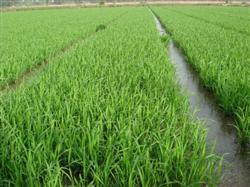
What are the correct methods for using carbofuran?
How is carbofuran used? Which crops can carbofuran be used on? How is carbofuran used safely? Please give an introduction. The crops on which carbofuran can take effect include rice, cotton, tobacco, sugarcane, soybean, peanut, corn, vegetables, etc. The following is a detailed introduction to the methods of using carbofuran on various crops for reference. Rice use...
-

How to care for Calathea picturata? A detailed guide to the correct growing methods
Temperature: The optimal growing temperature for Calathea picturata is 18-28°C, and in winter it needs to be moved indoors. Ventilation: It needs growing conditions with good air circulation. Light: Normally it can be grown in a spot with diffused light, and in summer it needs appropriate shading from the sun. Water: It likes moisture and must not be left without water for long periods.
-
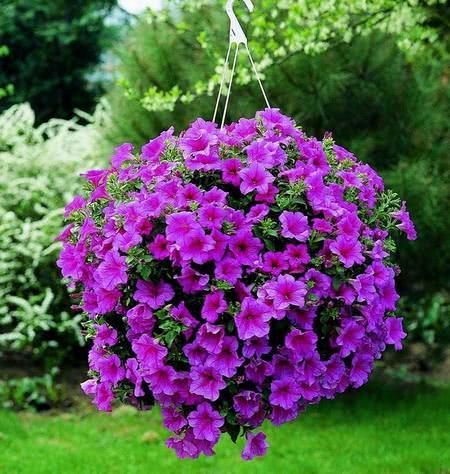
Learn to water first when growing flowers; water correctly and you can even skip flower fertilizer
If you want to grow flowers well, watering is the first lesson you must learn. If you cannot learn how to water flowers, then you definitely cannot grow them well. How should you water flowers in the process of growing them? Let us explain in detail. Master certain watering techniques, and you may not even...
条件筛选