-
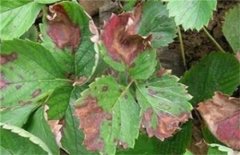
Strawberry Anthracnose: Pictures, Control Methods and Healthy Seedling Cultivation Techniques
How should strawberry anthracnose be controlled? The Agricultural Research Institute of the Council of Agriculture, Executive Yuan successfully developed healthy strawberry seedling cultivation techniques, which are different from growing strawberries in pots. Let's take a look together! The Agricultural Research Institute of the Council of Agriculture, Executive Yuan successfully developed strawberry
-
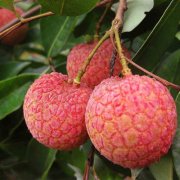
Impact of Common Diseases on Lychee Trees and Their Control Methods
Do you grow lychee? If you do, then you must pay attention to lychee pests and diseases. Let's first take a look at the common diseases of lychee! 1. Downy blight Caused by Peronophythora litchi, it can damage flowers, leaves, young stems and
-
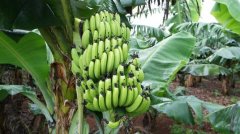
Symptoms and control of three common banana diseases: small black spot disease, fine streak disease and bunchy top-like stunting disease
An introduction to the symptoms and control methods of common banana diseases: small black spot disease, fine streak disease and stunting disease. Let's take a look! Small black spot disease Pathogen: the optimum temperature for mycelial growth is 25°C, the optimum temperature range for spore formation is 13-29°C, and the optimum temperature range for spore germination is 13-33°C.
-
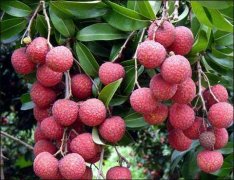
Detailed Guide to Lychee Pruning Techniques: How to Prune and Control Winter Shoot Growth
Lychee Cultivation Techniques: What does the basic framework pruning of a lychee tree look like, and how should it be pruned for better results? Would you like to find out? Then let us take a look together! Basic Framework Pruning. The framework of a lychee tree consists of the trunk, main branches, sub-main branches and lateral branches. At 50 cm above the ground on the trunk, begin to train 3~4 main branches, with the main branches forming an angle of about 80 degrees to the horizontal. On each main branch, train 2~3 sub-main branches; the sub-main branches should be attached at an angle of about 10~20 degrees to the horizontal, and the distance between sub-main branches should preferably be about 50 cm. Sub-main branches on different main branches should not cross each other, and sub-main branches on the same main branch should not be retained in the same direction. On each sub-main branch, train 3 lateral branches.
-
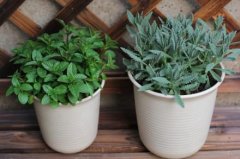
Symptoms and control methods of stem blight, Phytophthora blight and southern blight in herb plants
Since herb plants were introduced from abroad by horticultural growers, they have been used not only as seasoning for meals, but also brewed into herbal drinks, or made into herbal bath products. Various forms of use have blended into the daily lives of the general public and are gradually becoming popular. In addition to
-
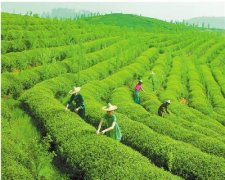
Full Environmental Control Smart Greenhouse System Creates a New Blue Ocean for Taiwan's Agriculture
Smart agriculture intelligent greenhouse system, in a hydroponic greenhouse maintained at a constant temperature of 20 to 24 degrees Celsius, pinkish-purple LED light sources shine on tender green leaves, creating a dreamy atmosphere. Nutrient solution gurgles and circulates through densely laid pipes, the only subtle sound in this space
-
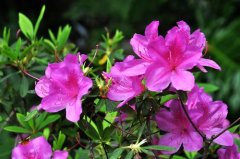
Introduction to Rhododendron cultivation techniques and propagation methods, and how to control Rhododendron pests and diseases
The Rhododendron is a fairly common plant. Do you know the Rhododendron growing methods? Let's take a look! Cultivation and management methods (1) Cultivation environment 1. Temperature and light: The new Rhododendron varieties Taoyuan No. 1 and No. 2 have an optimum growth temperature of 22°C to
-

A Detailed Guide to Identifying and Controlling Common Pests and Diseases of Chinese Cabbage
Chinese cabbage has a long history of cultivation in China and is a major vegetable for winter and spring in Northeast and North China. The leaves can be stir-fried, eaten raw, salted, or pickled in sauce, and the outer fallen leaves can still be used as feed. However, because Chinese cabbage is relatively cold-tolerant and prefers a cool climate, when it encounters high temperatures, it is prone to pests and diseases.
-
What Fertilizer Is Best to Apply at the Rice Heading Stage? Timing of Pesticide Application and Key Points for Pest and Disease Control
Heading is the phenomenon in which the fully developed ear of a cereal crop extends out from the top leaf as the stem elongates. It is the stage in which vegetative growth and reproductive growth advance vigorously together, and it is also the best period for topdressing. So, what fertilizer is best to apply at the rice heading stage? When should pesticide be applied
-
What to Do About Pepper Flower and Fruit Drop? Causes and Control Methods Explained
Pepper is an important vegetable and seasoning, widely grown in China. During pepper cultivation, improper management can lead to flower and fruit drop, thus affecting yield. So, what are the causes of pepper flower and fruit drop? How to prevent and control it? I. Pepper
条件筛选