-

What causes feather loss in laying hens? Detailed explanation of prevention and control methods
Causes of feather loss in laying hens and prevention and control methods
-
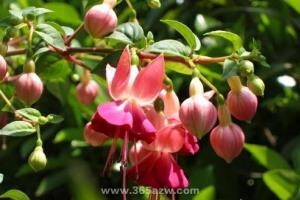
A Guide to Pest and Disease Control and Care Methods for Fuchsia
Fuchsia Pest and Disease Control Handbook: Teaching You How to Care for Fuchsia
-
What to Do When Potted Flowers Get Pests? Common Pests and Control Methods
Common Pests of Potted Flowers and How to Control Them
-
How to Effectively Prevent and Control Flower Pests? A Full Breakdown of Practical Methods
How to Effectively Prevent and Control Pests on Flowers
-
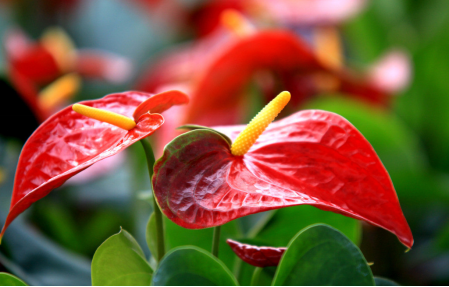
What to Do When Anthurium Leaves Turn Brown and Necrotic? Causes and Control Methods
The causes of browning and necrosis of the leaves of small anthurium seedlings may include two possibilities: one is bacterial leaf spot disease. In the early stage of infection, water-soaked irregular brown to dark brown spots appear between the leaf veins, surrounded by yellow halos. In severe cases, the lesions merge into large spots, and the leaves wilt, curl, and hang on the short stems. Check the dead and rotting tissue
-
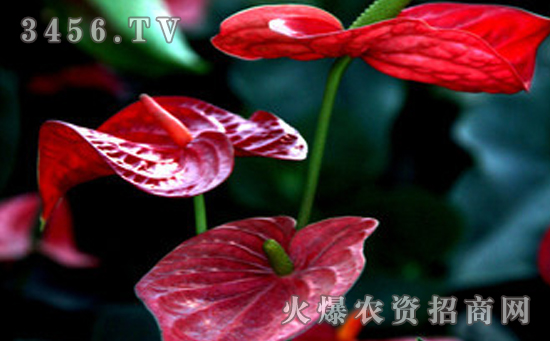
What are the control methods for Cladosporium leaf mold on Anthurium?
Cladosporium leaf mold on Anthurium is caused by fungi of the class Deuteromycetes. The pathogen overwinters as mycelium or conidia in diseased parts or on the soil surface along with diseased plant debris. It is a weak parasite, mostly a secondary parasite or saprophyte, and often appears on senescent leaves. It spreads relatively quickly in the later stages of plant growth, producing large spots. In production
-
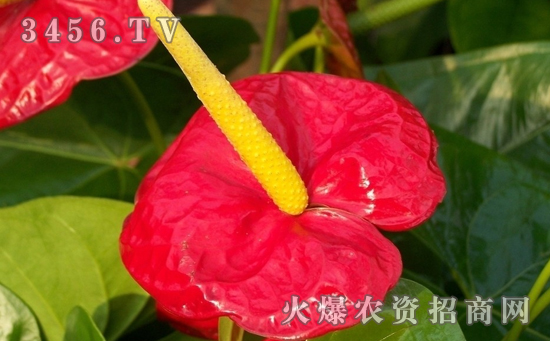
What are the control methods for anthurium anthracnose?
The disease is caused by a semi-knowledge fungal pathogen of the species Colletotrichum gloeosporioides. The pathogen survives the winter as mycelium and acervuli in diseased tissue or in the pot, and spreads through primary and secondary infection by conidia, transmitted and spread by rain splash and the activity of small insects. Usually warm, humid weather and ecological environments easily trigger the occurrence of this disease
-

Anthurium Leaves Turning Yellow and Aphids: Pest and Disease Control and Remedial Methods
Common diseases of anthurium include anthracnose and root rot. Anthracnose damages young branches and leaves. The infected parts first show small water-soaked spots; the spots are round or nearly round and appear dark brown. Afterwards, the lesions continuously expand, concentric rings appear, and the central part turns light brown or grayish white
-
Symptoms and Control Methods of Physiological Diseases in Money Tree
Diseases caused by improper management in money tree are called physiological diseases, mainly including cold injury and weak, spindly growth. Cold injury: the minimum overwintering temperature for money tree is 8°C; below 8°C, cold injury easily occurs. After being frozen, money tree tends to drop leaves, and in severe cases the whole plant dies. Branches grow weak and spindly
-
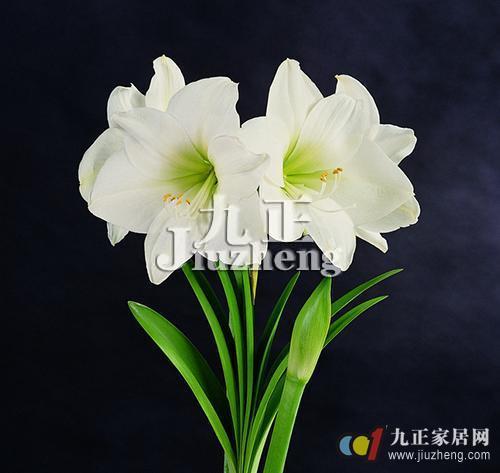
Common pests and diseases of Clivia and their control methods
Common diseases of Clivia and their control methods: 1. Soft rot: also known as rot disease, head rot, etc. It mostly occurs on the lower leaves. At first the lesions appear dark green and water-soaked, then they spread and merge into patches. The diseased leaves rot, soften and droop, and the disease spreads to the root system, causing the whole plant to topple over and the central leaves to fall off
条件筛选