What to Do When Potted Flowers Get Pests? Common Pests and Control Methods
Before learning how to prevent and control pests and diseases, you must have a fairly comprehensive understanding of the pests and diseases that flowers may contract and the effective tools for controlling them, so that you can target flower pests and diseases precisely.
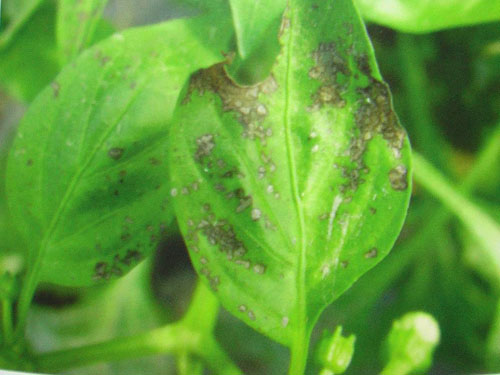
I. Common Flower Pests and Diseases
1. Aphids: These are the most common pests on flowers. There are many species of aphids, and they often cluster on the tender parts of the plant, piercing into the plant body with their piercing-sucking mouthparts to suck out sap. Aphids have a very wide range of hosts, such as chrysanthemums, pansies, dahlias, and China roses. During their life process, aphids' excrement contains honeydew, which in turn provides favorable conditions for the reproduction of other harmful microorganisms, causing leaves to turn black and affecting photosynthesis. Therefore, aphids should be eliminated promptly when found.
2. Red spider mites: They are very small individually, but their range of damage is very large, affecting plants such as chrysanthemums, dahlias, China roses, and rhododendrons. Because these pests are small, they should be detected promptly and controlled early.
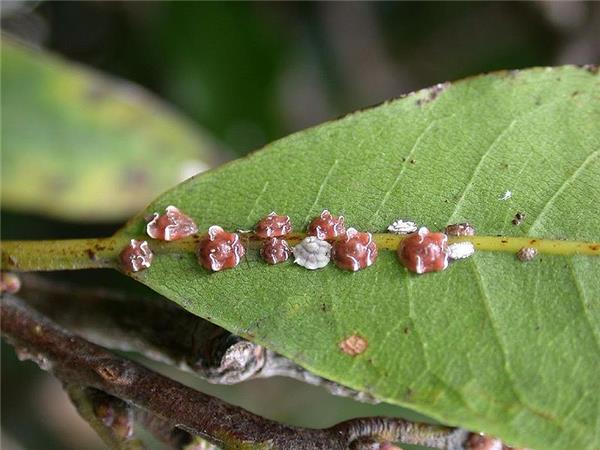
3. Scale insects: There are many species of this type of pest and they have a very broad diet, able to harm many flowers such as cacti, China roses, oleanders, and osmanthus. The secretions of scale insects also contain honeydew, which can lead to the growth [of harmful microorganisms].
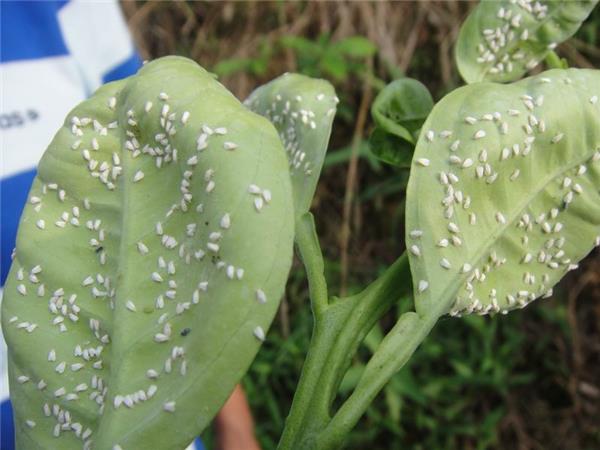
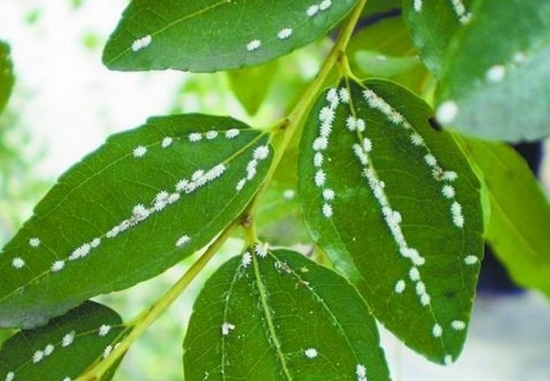
4. Whiteflies: Whiteflies are very small, only I mm long, white, and reproduce quickly, so the damage is severe. Plants harmed by whiteflies can also cause harmful microorganisms to multiply in large numbers, making the leaves moldy and black.
II. Common Chemicals for Pest Control
1. Bordeaux mixture: It is a good protective fungicide, prepared from copper sulfate, quicklime, and water. According to the different amounts of copper sulfate and quicklime used, it can be divided into several types: equal formula (1:1), half-strength formula (1:0.5), high-strength formula (1:3), and double-strength formula (1:2).
2. Lime sulfur mixture: It is also a protective fungicide, made by boiling quicklime, sulfur powder, and water in a ratio of 1:2:10. The stock solution is a dark reddish-brown transparent liquid with a rotten egg smell and is alkaline.
3. Trichlorfon: It is a highly effective, low-toxicity organophosphorus preparation. It has a strong stomach-poison effect on pests and also a contact-killing effect.
4. Dichlorvos: It is a highly effective, low-toxicity organophosphorus preparation with strong contact-killing, fumigating, and stomach-poison effects. It has a wide insecticidal range, acts quickly, and has a short residual period.
5. Dimethoate: It is a highly effective, low-toxicity broad-spectrum organophosphorus pesticide with contact-killing, systemic, and stomach-poison effects. Generally, a 40% emulsifiable concentrate diluted 1000-1500 times or a 60% wettable powder diluted 3000-5000 times is sprayed to control pests such as aphids, red spider mites, leafhoppers, leafminer moths, and whiteflies.
6. Streptomycin: It is a white powder. Generally, a concentration of 100-200 mg per liter is sprayed, used as a root drench, or injected to control bacterial ☆☆ diseases, downy mildew, and the like.
III. Clever Ways to Control Household Potted Flower Pests (Simple, Easy, and Pollution-Free)
1. Soak cut tobacco or cigarette butts in water. After the water turns brown, spray it on the branches and leaves of potted flowers to control whiteflies and aphids; pour it thoroughly into the potting soil to control ants.
2. Put garlic, scallion heads, or onion scales into water and soak for 24 hours, then filter. Spray the filtrate on potted flowers 2-3 times to kill red spider mites and aphids.
3. Mix dishwashing detergent with water at a ratio of 1:500 to make a solution, and spray it on the branches and leaves of potted flowers. It can kill aphids very effectively.
4. Soak plant ash in water for 2 days, then spray its clear liquid on the affected branches and leaves of potted flowers to kill aphids.
5. Put a little laundry detergent or soap into clean water and stir it into soapy water. Apply the soapy water to the branches and leaves of potted flowers to effectively kill aphids, red spider mites, scale insects, and other pests.
For household flower growing, it is generally recommended to use some non-toxic and relatively eco-friendly methods to prevent and control pests and diseases. After all, today's life advocates the concept of "green and eco-friendly," and growing flowers is the same.