How to Effectively Prevent and Control Flower Pests? A Full Breakdown of Practical Methods
Pest and disease problems on flowers have always been one of the biggest headaches for growers, because seeing flowers you have worked hard to raise destroyed almost overnight by pests and diseases is truly disheartening. So learning to prevent and control pests and diseases becomes the first skill any flower grower must master.
Precautions for Pest and Disease Control
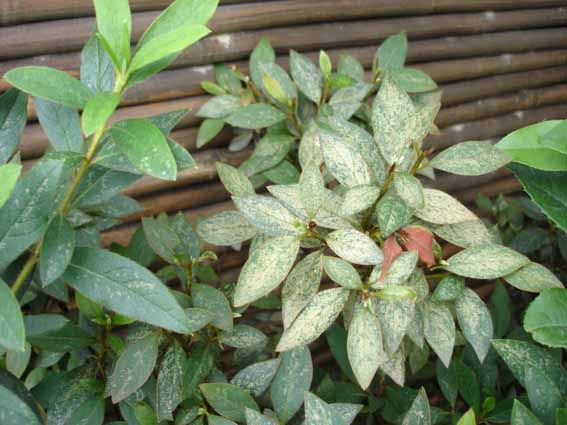
1. Choose healthy, disease-free plants: When buying plant bulbs or seedlings at the flower market, look carefully for signs of rot or pest damage. For the leaves, you can turn them over and examine the undersides closely for moving organisms and the like. Of course, if the plant itself is robust enough, its resistance is also stronger and it is less prone to disease. Select and cultivate varieties with pest and disease resistance according to local conditions; this is especially important for pests and diseases that are difficult to control or for which no effective control method yet exists.
2. Reasonable companion planting: For example, Chaenomeles speciosa (flowering quince) and similar plants should be kept away from Sabina chinensis (Chinese juniper) or other junipers, otherwise it will cause severe outbreaks of rust disease on flowering quince and similar ornamental plants.
3. Keep new plants separate from existing ones first: Do not move newly brought-home plants into the room right away. You can spray some insecticide and fungicide on the outer side of the window screen. This both confirms whether the plant is healthy and prevents pests and diseases from being introduced into your existing collection or home environment.
4. Practice crop rotation: Practicing crop rotation in the flower garden gives fairly good control of diseases that occur year after year, such as seedling damping-off, Rhizoctonia rot, southern blight and bacterial wilt, as well as monophagous pests.
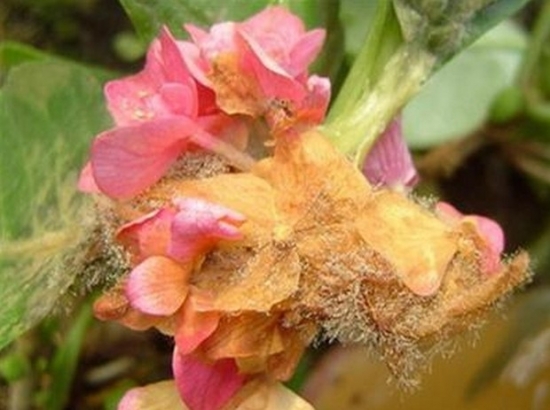
5. Control moisture appropriately: When it is too wet, plants rot easily and grow mold; when it is too dry, insects that like dry environments, such as red spider mites, will invade. Adjust the water supply according to the plant's characteristics and the temperature and humidity of the environment. It is best to wait until the soil 2-3 cm below the surface has dried, then water the medium thoroughly until water flows out.
6. Fertilize scientifically: Scientific fertilization can regulate the nutritional condition of flowers and trees and enhance their ability to resist pests and diseases. For example, using a properly formulated potting mix for potted Rosa chinensis (Chinese rose) can reduce the occurrence of black spot disease.
7. Deal with diseased plants immediately: If the problem is on the leaves, remove and clean them at once; otherwise, once the pest or disease population spreads, it will harm the entire plant and even nearby similar host plants. Some pests can jump to other plants, so diseased plants must be thoroughly destroyed and discarded so the problem does not spread further.
8. Thorough disinfection: Greenhouse disinfection mostly uses fumigation. The specific method: close doors and windows in the evening, ignite the agent and fumigate, then open the windows the next day for ventilation. For example, use 2-3 grams of 20% procymidone smoke agent per 10 cubic meters, fumigating once every 7-10 days for 3 consecutive times. For soil disinfection in field-grown flowers, choose an equal mixture of 70% quintozene and 80% zineb wettable powder, apply 8-10 grams per sq m evenly and dig it into the ground; you can also use 50 ml of formalin diluted in 8-12 kg of water for irrigation.
Traditional Home Remedies for Flower Pests and Diseases
1. Garlic juice: Take 20-30 grams of garlic bulbs, mash into garlic paste, add 500 grams of clean water, soak for 10 minutes and filter out the residue. It can then be sprayed on affected flowers and trees, with a pest-killing and repellent effect of over 80%. Generally, spraying 1-2 times over two consecutive days is enough to take effect.
2. Scallion juice: Take 20 grams of fresh scallions, mash into scallion paste, add 500 grams of clean water, soak for 24 hours, filter out the residue and it is ready to spray. Use 3 times a day for 3-4 consecutive days, and most pests can be killed.
3. Plant ash liquid: Take 60 grams of plant ash, soak it in 500 grams of clean water, filter after 48 hours to obtain the liquid, and it is ready to spray on flowers and trees to kill pests. Use once a day for 3 consecutive days to take effect.
4. Beer: This is an effective "medicine" against snails. The method is to pour beer into a small dish, place it on the flower soil, and the snails, attracted by the smell, will enter the dish and be "killed" by it.
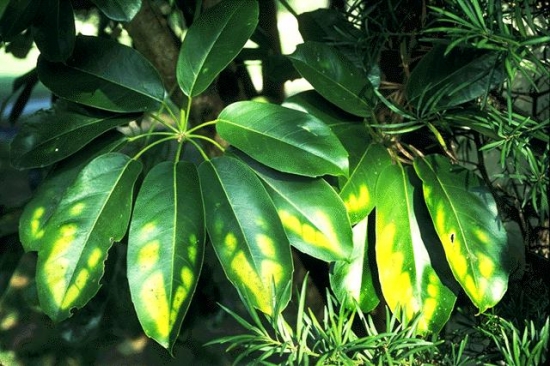
5. Aged vinegar: Rhododendrons and camellias like acidic soil. Regularly watering with plain water will gradually turn the leaves yellow and cause them to wither. If, about every 15 days, you water each flower plant once with about 5 grams of aged vinegar added to about 100 grams of clean water, you can prevent the leaves from turning yellow and withering.
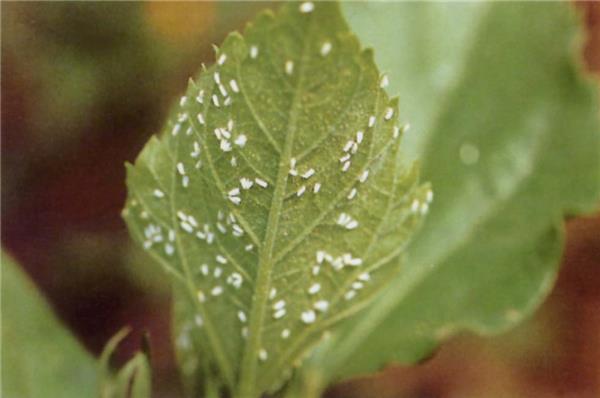
6. Tobacco water: Take 7-9 cigarette butts and soak them in water. Once the water turns yellowish-brown, add a little alkaline soap solution, stir well, then spray it on the flowers or apply the liquid to the affected parts of the flowers. This can effectively kill aphids on the branches (leaves) or in the soil.
In fact, the first thing to do in pest and disease control is to care well for your flowers in daily maintenance, with "prevention" as the main approach and "treatment" as the supplement; only when the two work together can you avoid the damage pests and diseases cause to flowers.
With "prevention" as the main approach and "treatment" as the supplement, only when the two work together can you avoid the damage pests and diseases cause to flowers.