-
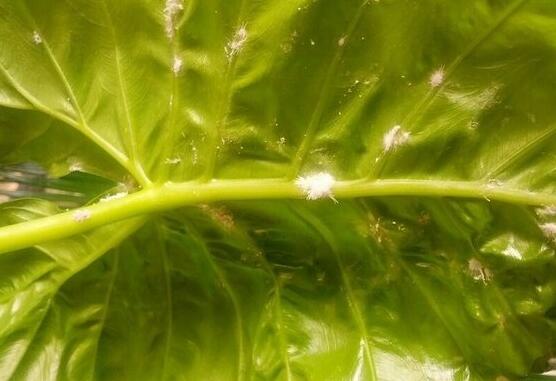
What to Do When Alocasia macrorrhizos Gets Bugs? Pest and Disease Control Methods
Alocasia macrorrhizos, with its large, emerald-green leaves, is a sun-loving houseplant. As flower enthusiasts, I believe everyone is already quite familiar with how to grow Alocasia macrorrhizos. However, during the growing process, improper cultivation or careless maintenance can inevitably lead to pests and diseases. So what should you do when Alocasia macrorrhizos gets bugs?
-
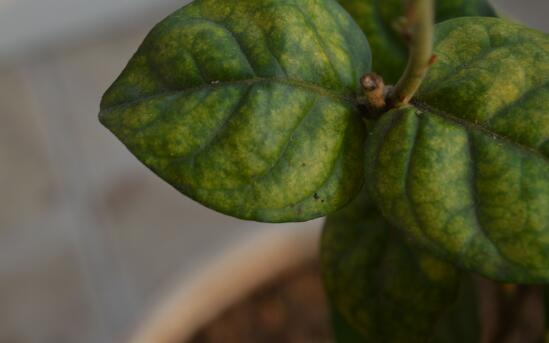
Potted jasmine has bugs: what to do? 3 major pest control methods
Jasmine flowers are pure white and have a rich floral fragrance, making them a must-have potted plant in many plant lovers' homes. In daily life, although jasmine is easy to grow, during the cultivation process it will inevitably encounter some symptoms, such as bugs. So what should you do when jasmine has bugs? According to research, there are mainly 3 types of insects that harm jasmine
-
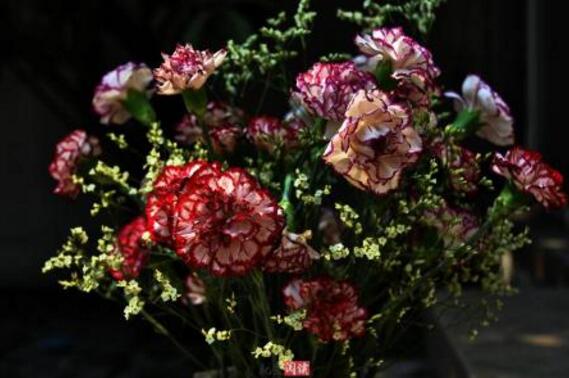
What to Do When Carnations Get Pests? Five Major Pest and Disease Control Methods
Carnations, there is no need to say much, everyone should know them, right? Grown at home, they can serve as a beautiful sight, and given to mothers, they can express love and respect. With so many uses, naturally many people choose to grow them, but during the growing process, various problems inevitably arise, such as diseases or pests. So what should you do when carnations get pests?
-

Analysis of the Causes of Flower and Fruit Drop in Goji Berry and Control Methods
Causes of Flower and Fruit Drop in Goji Berry and Control Methods
-
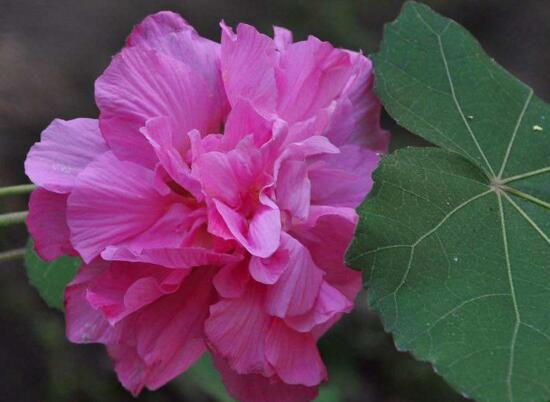
What to Do When Hibiscus Gets Pests? Pest and Disease Control Methods
Since ancient times, hibiscus has been deeply loved by people, and the phrase "lotus emerging from water" has been used to death. Nowadays, many people keep hibiscus at home, but during the care process, flower lovers will encounter some problems, such as how to propagate hibiscus, and what to do when hibiscus gets pests
-

How to control scale insects on flowers? These methods are very practical
Almost all flowers are susceptible to scale insect damage, and there are many species, commonly including red wax scale, globular scale, horned wax scale, cottony cushion scale, arrowhead scale, white peach scale, cactus scale, bamboo flat mealybug, and others. Scale insects often gather on branches, leaves, flowers, and fruits; adults and nymphs insert their specialized mouthparts into the flower tissue to suck sap
-

What are the control methods for southern blight in tulips?
Southern blight is a common disease that causes great damage to tulips and often leads to the death of the plants. When growing them, attention should be paid to prevention and control. Symptoms: the whole plant wilts, white mycelial strands or rapeseed-like tan-colored small sclerotia wrap around the stem base, and the affected part turns brown, rots and decays. Large numbers of white mycelial strands and tan-colored fungal bodies can be seen on the soil surface.
-
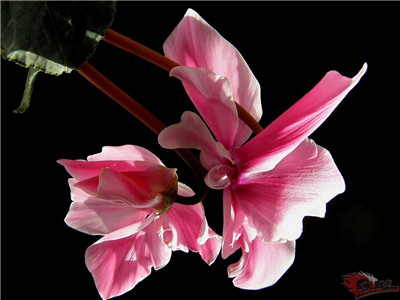
Symptoms and Control Methods of Cyclamen Wilt Disease
Cyclamen wilt disease is a condition caused by Fusarium that makes the leaves wilt. In the early stages of infection, some of the plant's leaves turn yellow; on sunny days the leaves appear wilted, recover at night, wilt again during the day, and this continues until death. The petiole becomes swollen and water-soaked, and when air humidity is high, cotton-like white fungal colonies grow at the lesions
-

What are the common pest and disease identification and control methods for cyclamen?
Cyclamen is highly prone to disease and should be planted in a clean, well-drained location. The main diseases include Fusarium wilt, wilt disease, soft root rot, gray mold, verticillium wilt, and spider mites. 1. Fusarium wilt. The pathogen often lies dormant on seedlings until transplanting, when the disease begins to develop.
-
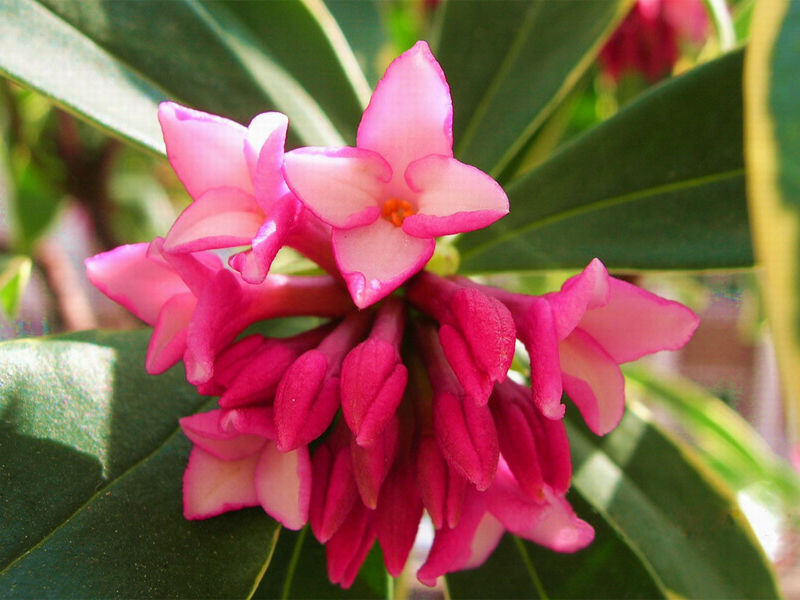
Detailed Explanation of Pest and Disease Control Methods for Daphne odora 'Aureomarginata'
Control of the Main Disease: Stem Rot. Daphne odora 'Aureomarginata' is a precious flowering plant beloved by the public, but it is delicate and difficult to grow. The main cause is stem rot. Symptoms: In the early stages of the disease, it is not easily noticed. The first part to show symptoms is the root crown. The phloem of the affected area turns black and rots, gradually spreading toward the roots. However, the xylem appears normal
条件筛选