-
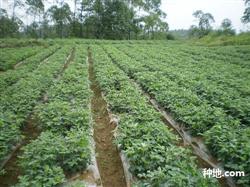
Chemical Weed Control Methods and Technical Key Points for Peanut Fields
How is chemical weed control carried out in peanut fields? Please explain. Peanut is one of the major economic crops, and in the cultivation process, the most labor-intensive and time-consuming task is weeding. The major harmful weeds occurring on peanut land include grass-family weeds such as large crabgrass, green foxtail, Chinese sprangletop, purple nutsedge, goosegrass, and late barnyardgrass; broadleaf weeds include field thistle, feather cockscomb, chickweed, prickly lettuce, small bindweed, shepherd's purse, knotweed, lambsquarters, amaranth, bean and black nightshade, etc.
-
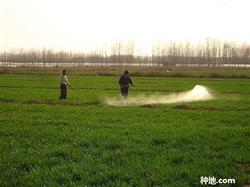
Chemical Weed Control Methods and Technical Points for Winter Wheat Fields
How to chemically control weeds in winter wheat fields? Please guide. For chemical weed control in winter wheat fields, you can refer to the following methods: 1. Control agents: 3% Shima oil suspension concentrate (mesosulfuron-methyl); 3.6% Kuoshima water-dispersible granules (mesosulfuron-methyl + iodosulfuron-methyl-sodium). 2. Usage amount: Shima...
-
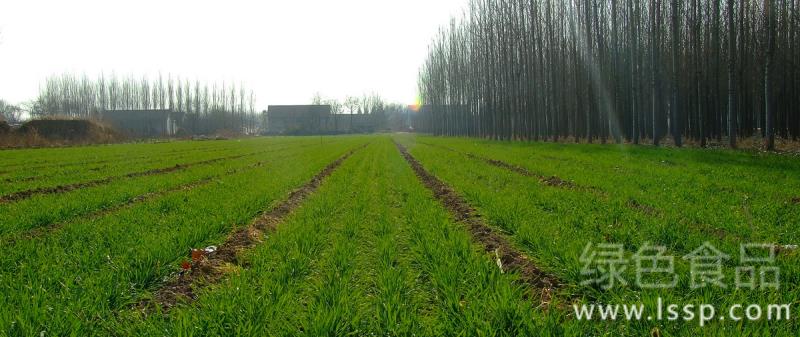
What to Do About Wheat Excessive Growth Before Overwintering? Cause Analysis and Control Methods
Cause Analysis and Control Methods for Excessive Growth of Wheat Before Overwintering
-

Garden Plant Pests and Diseases Prone to Occur in September and Their Control Methods
By September, autumn is the peak period for the occurrence and damage of garden plant pests and diseases. During this period, close attention should be paid, with active prevention and timely treatment.
-

Control Methods and Technical Key Points for the Flamboyant Tree Owlet Moth Pest
The flamboyant tree (Delonix regia) is known as one of the most brilliantly colored trees in the world; its name comes from its bright red or orange flowers combined with bright green bipinnate compound leaves, and it is commonly planted in Guangdong, Fujian, Sichuan and other places. The flamboyant tree has relatively few diseases and pests, but owlet moth pests are relatively common
-

What are the control methods for sweet osmanthus brown spot disease?
Sweet osmanthus brown spot disease mainly shows as follows: the pathogen infects the leaves; affected leaves first develop small yellow spots, which gradually turn yellowish-brown to grayish-brown. The spots are nearly round or irregular in shape, or appear as angular spots when their expansion is limited by the leaf veins. Around them is a ring of yellow halo. Sweet osmanthus brown spot disease is a very common disease.
-
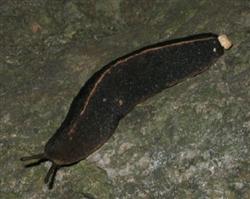
Pest and Disease Control Methods and Technical Key Points for Dragon Fruit
Because dragon fruit is a wild plant and has not been domesticated for long, it has no specific pests or diseases. To date, no fatal insect pests have been found. As for diseases, it can become infected with pathogenic bacteria or viruses when its resistance weakens after transplanting or injury, but no local or widespread infectious diseases have been found. In terms of insect pests, during the branch growth period...
-
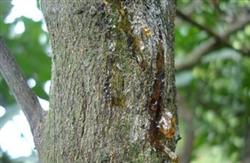
What are the control methods for citrus gummosis?
What is citrus gummosis? How do you control citrus gummosis? We also ask netizens with citrus growing experience to help explain. Citrus gummosis, also called resin disease, is a fungal disease, and once it occurs it is very difficult to control. The causes of gummosis are: planting too densely, causing shade and poor ventilation and light penetration, heavy clay soil...
-
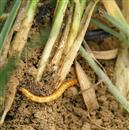
What are the control methods for click beetles in mint?
How do you control click beetles in mint? What harm do click beetles cause? We also invite knowledgeable readers to share their input. Click beetles are commonly known as "jie jie chong" or "wireworms" and are the larvae of click beetles. Common species of click beetles include the striped click beetle, the slender click beetle, the brown-striped click beetle, and the broad-backed click beetle. Zhongdiwang has compiled information on the harm caused by click beetles...
-
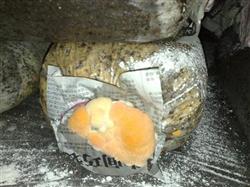
What to Do When Mushroom Cultivation Is Contaminated by Weed Molds? A Detailed Guide to Prevention and Control Methods
What to do when mushroom cultivation is contaminated by weed molds? What methods can be used for prevention and control? I hope experienced netizens can help explain. Generally, mushroom cultivation is often contaminated by weed molds, which leads to reduced mushroom yields and, in severe cases, total crop failure. The weed molds are generally Trichoderma viride, Aspergillus, and the like, and are among the most common weed molds in spawn production and cooked-substrate production.
条件筛选