-

Detailed introduction to the peach cultivar Chengyang Daxiantao
A seedling variant single plant discovered in Qingdao in 1993. It was approved by the Shandong Provincial Crop Variety Approval Committee in 1997. This cultivar has large fruit, slightly flat-round in shape, with an average single fruit weight of 325 grams and a maximum fruit weight of 900 grams; the base color of the fruit surface is yellow-green, with bright red on the sunny side; the flesh is yellow-white or light green, with a slight red blush on the sunny side, fine and crisp in texture, juicy, and free-stone; the soluble solids content is 11-12%, with a pleasant sweet-sour taste; the fruit is storage- and transport-tolerant, generally keeping for about 10 days at room temperature; in the Qingdao area, the fruit ripens in late August.
-
Introduction to the Origin and Variety Characteristics of Yuncheng Xiangzao Jujube
Xiangzao jujube is produced on the plains at the northern foot of the Zhongtiao Mountains and along both banks of the middle reaches of the Sushui River, and is named after its main producing area, Beixiang Town. The history of cultivating Xiangzao jujube here spans about 3000 years. Xiangzao jujube has excellent quality and was once presented to emperors as tribute, hence it is also called "tribute jujube." Xiangzao jujube is purple-red in color, with large fruit in a short cylindrical shape; generally about 10 of them weigh about 500 grams. The sugar content of fresh jujube is as high as 30-40%, and after drying, if the jujube is broken open, it can stick back together. Xiangzao jujube stores well, and locally there are Xiangzao jujubes that have been preserved for more than a hundred years. Xiangzao jujube
-
What kind of fruit is the Fucheng apricot plum?
Originating in Fucheng County, Hebei Province. The fruit is oval, with an average single-fruit weight of 70g and a maximum fruit weight of 120g. The fruit apex is slightly concave, the suture line is shallow, and the two sides are asymmetrical. The fruit surface is orange-yellow, with a red blush on the sunny side, smooth, without fuzz, and the skin is relatively thick. The flesh is yellow, dense and fine in texture, with moderately abundant juice, sweet and sour and palatable, of superior quality. The soluble solids content is 16.0%, and the titratable acid content is 1.8%. The fruit is relatively tolerant of storage and transport. A dual-purpose variety for fresh eating and processing. The tree vigor is moderate, the tree posture is semi-spreading, the germination rate is high, and the branching ability is strong.
-
-

Ministry of Ecology and Environment: Green environment must be protected, the Green Environment Payment Program for Land is implemented
One year into the implementation of the Green Environment Payment Program for Land, farmers are encouraged to convert their original rice paddies to import-substitution crops, key export crops, priority development crops, etc., in order to reduce rice cultivation area. What do frontline personnel think? Implementation of the Green Environment Payment Program for Land
-
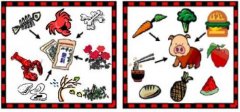
Banning kitchen waste feeding of pigs: kitchen waste may become a transmission route for African swine fever virus
If the African swine fever virus enters China, then kitchen waste is also a very risky transmission route. Let's take a look below. If the African swine fever virus enters China, kitchen waste is absolutely a high-risk route, but at present, after taking stock, the Council of Agriculture has
-
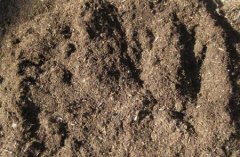
The principles of kitchen waste composting and how to make a compost bin, eco-friendly and practical
Nowadays, we all want a good ecological environment, and many people are making compost, which is both eco-friendly and practically useful. So how do you make compost? Do you know? Let's take a look together. For composting to succeed, you must provide the right amount of water, air,
-
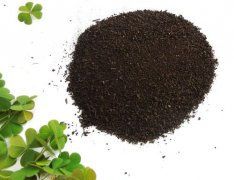
DIY Method for Turning Kitchen Waste into Organic Fertilizer
In many European countries, when dealing with kitchen waste and yard weeds and fallen leaves, people often use their own yards for natural composting, and some use machines for high-speed fermentation. In the early days, farming families in Taiwan, China all had compost sheds and manure pits, and these can provide us with space for reflection and thought.
-
-

Did you know there are ten different ways to say "deep-fry" in Minnan? Chen Shu-hua's "Cooking Talk by the Stove" unearths the voices of Taiwan's everyday food
Did you know there are ten different ways to say "deep-fry" in Minnan? Chen Shu-hua's "Cooking Talk by the Stove" unearths the voices of Taiwan's everyday food
条件筛选