High summer temperatures cause metabolic changes in laying hens, how to ensure egg production
The optimum temperature for laying hens is 13-27°C. In a high-temperature environment, the body metabolism of laying hens changes, resulting in decreased feed intake, increased water intake, loose droppings, blocked follicle development, paling of the comb, decreased egg production, thinner eggshells, reduced egg weight, and increased mortality and culling rates. Therefore, in the high-temperature season, measures must be taken to reduce the heat stress of high temperatures on laying hens and ensure egg production.
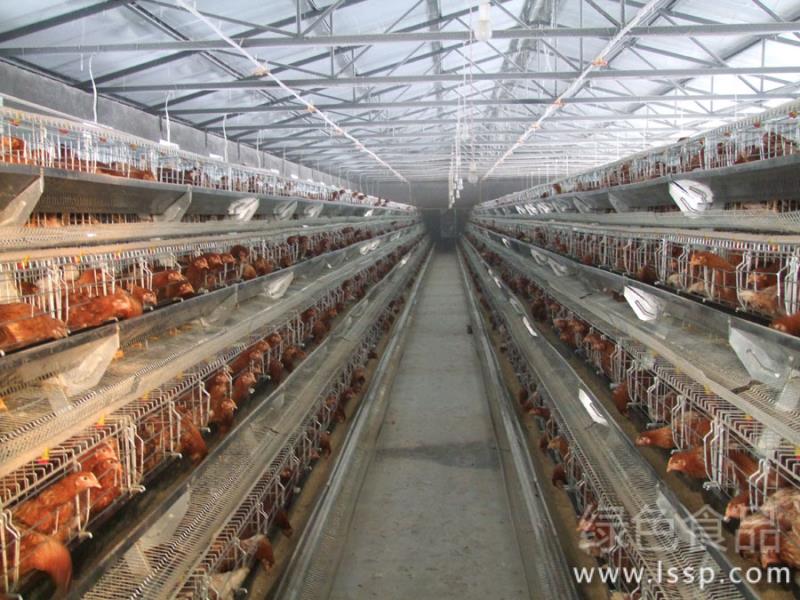
Laying hens
1. Provide sufficient clean, cool drinking water: In hot weather, providing sufficient clean, cool drinking water can absorb part of the heat inside the laying hens' bodies and play a cooling role. Note: during emergency vaccination, before drinking water vaccination, water must be withheld, and the spray vaccination method should be used.
2. Keep the chicken house air fresh: In high temperatures, chickens rely on breathing to dissipate heat, and because the droppings are loose, humidity is high; inside the chicken house it is damp and stuffy, which is unfavorable to laying hens. Ventilation should be increased; when necessary, after daily manure cleaning, sprinkle some lime into the manure pit to reduce the impact of high humidity, so as to ensure the chicken house air is fresh and cool.
3. Adjust the feeding method: When it is cool in the morning and evening, give more feed and feed frequently to stimulate the laying hens' appetite and let them eat more, but be careful to avoid wet feed accumulating in the trough, so as to prevent mold and spoilage.
4. Extend the lighting time: Appropriately extend the lighting time in the morning and evening to increase the laying hens' feed intake, but not more than 17 hours.
5. Adjust the diet nutrition: High temperatures reduce the feed intake of laying hens, and the nutrition intake is insufficient. Measures should be taken to stimulate more feeding, and the nutritional level of the laying hens' diet should also be raised. ① Increase dietary energy: about 2% vegetable oil can be added to the diet. ② Increase the dietary protein or amino acid level. When the feed intake of laying hens decreases by 10-15%, protein intake decreases, egg weight decreases, and egg production decreases. Supplement protein, maintain a balanced diet, and appropriately add amino acids, especially methionine and lysine. ③ Increase the supply of vitamins and minerals. Strong-effect quick-supplement dicalcium phosphate, high-quality bone meal, calcium granules, etc. can be used.
6. Supplement anti-heat-stress nutrients and electrolytes: High temperatures cause laying hens to excrete sodium, potassium, carbonate ions, etc. from the body, causing electrolyte imbalance. Sodium bicarbonate, potassium chloride, and ammonium chloride need to be supplemented, and zinc carbonate should also be added.
7. Sprinkle clean water or use water curtains for cooling: Daily disinfection can be done by disinfecting with the laying hens present, achieving the disinfection purpose, while sprinkling water plays a cooling role. In addition, water curtains can be set up outside the chicken house for shade and cooling. When conditions permit, cool air can be sent into the chicken house for rapid cooling.