Six management measures for raising rabbits in autumn in line with seasonal changes
1. Adjust the daily ration.Formulate it according to the feeding standard based on the rabbits' different ages, reasonably increase protein and reduce energy feed. Rabbit feed is rich in nutrients, good in palatability and easy to digest. Sufficient green feed such as fresh grass and green vegetables should be provided every day. The feed should be fresh, clean and free of mold and spoilage.
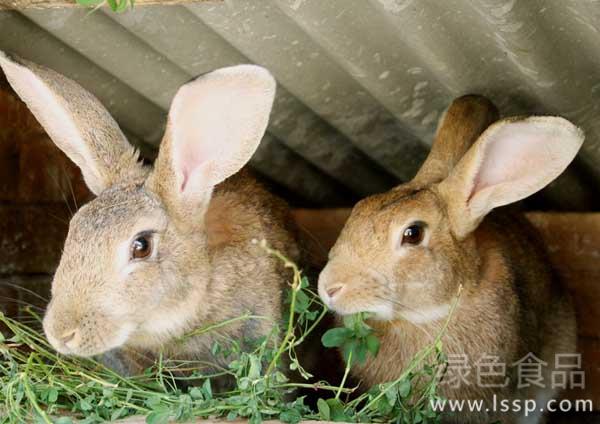
Rabbit
2. Build up autumn fat.With abundant feed, complete nutrition and suitable temperature, build up good autumn fat for safe overwintering. Therefore, prepare complete and nutrient-rich feed and supply high-quality green feed; feed at fixed times and in fixed amounts, feed breakfast early, feed dinner late, feed more green feed at lunch, and feed at night. Young rabbits should be fed 5 to 6 times a day, growing rabbits 3 to 4 times, and adult rabbits 2 to 3 times. Provide clean and sufficient drinking water.
3. Focus on breeding.The mating of non-pregnant female rabbits should be carried out well, check for non-pregnancy in time and mate in time. Pregnant and nursing female rabbits should be provided with feed rich in protein, minerals and vitamins. Do a good job at the birth stage of young rabbits, provide supplemental feeding early and wean at the proper time.
4. Reorganize the rabbit flock.Rabbits with strong reproductive capacity, uniform offspring and rapid growth can be kept for breeding. Old, weak, sick and disabled breeding rabbits should be culled immediately. Select and retain excellent reserve rabbits to replenish the rabbit flock.
5. Prevent stress.Add 0.5% vitamin B12, 0.5% vitamin C and 0.5% sodium bicarbonate to the feed; take appropriate amounts of Houttuynia cordata and Chinese chives, decoct them in water to obtain the juice, add a little vinegar and white sugar, and let the rabbits drink it freely, which can prevent stress and promote fast growth of rabbits.
6. Refine management.In autumn, the temperature difference between morning and evening and noon is large, and young rabbits are prone to colds, pneumonia, enteritis and other diseases, and in severe cases may die. Therefore, the rabbits should be driven back indoors every evening, and on windy or rainy days, rabbits should not be allowed to move outdoors. Keep the rabbit clean, dry and quiet. Wash the feed and water troughs frequently. Regularly disinfect the inside and outside of the hutch with 3 to 5% Lysol. Regularly inject rabbits with rabbit plague vaccine. Regularly feed feed supplemented with sulfadimidine, coccidiostat and Sanzi coccidiostat powder to prevent parasitic diseases, etc. The rabbit flock needs to be observed every day so that problems can be found in time, prevention can be done before disease occurs, and treatment can be given early when disease occurs.