-
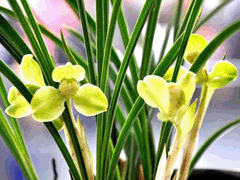
What precautions should be taken when turning the soil during the orchid sprouting period?
Precautions for turning the soil during the orchid sprouting period
-
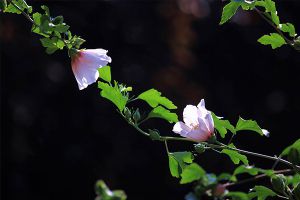
Post-bloom care methods and precautions for hibiscus
After blooming, the flowers need to be dealt with so they do not waste nutrients for nothing. The first thing we need to do is cut off the withered flowers, then apply fertilizer, and after that give it supplemental light. Because giving it appropriate light can make it bloom again. The water supply also needs to be sufficient; if it is not enough, the buds are very likely to drop.
-
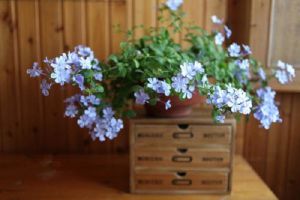
How to grow Plumbago auriculata? Detailed growing methods and precautions
The temperature it needs is around 25 degrees, and it is best to place it in a spot with light. It needs loose, fertile soil with a slightly acidic pH, and its flower pot is best with a radius of 20 cm and a height of 20 cm. When it is growing vigorously, it needs plenty of water; in winter, give it less water, and it also needs frequent fertilizing.
-
What are the best tools for dividing orchids? Remember the precautions
Orchid division tools and precautions
-
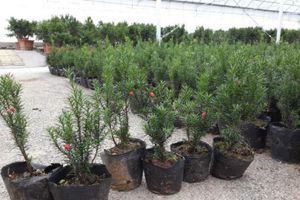
What are the precautions for soaking Taxus in liquor?
It is generally grown in the north, and its fruit can be used as medicine. It can withstand low temperatures below minus 30 degrees, but it is afraid of waterlogging. If it is used to soak in liquor, its taste is very mellow and its color is very attractive. Its medicinal value is great, but note that it must not be taken for a long time.
-
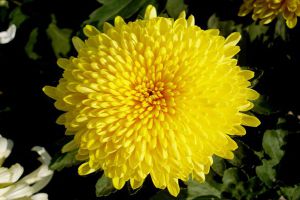
Can Chrysanthemums Be Placed in the Bedroom? Key Placement Precautions to Know
In fact, chrysanthemums can be placed in the bedroom. First, their ornamental value is especially high, and placing them there can make people feel happy. Second, they can reduce air pollution and are beneficial to the human body. Third, they will not be affected in their own growth because of this. Fourth, the oxygen they use at night is negligible and will not compete with people for oxygen. Fifth, they are not carcinogenic, so they are not harmful to people.
-
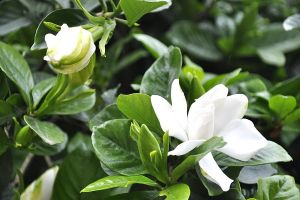
Is Gardenia suitable for growing at home? Precautions for keeping Gardenia at home
It can be grown at home. It is not toxic, and that is the prerequisite. It also has good ornamental value, and placing it at home is a feast for the eyes. Moreover, it can also give off a delicate fragrance, making people feel relaxed and happy. Furthermore, its resistance to some harmful gases is also relatively strong, especially SO2 and the like. Also, overall the indoor environment is still suitable for it. The temperature is also appropriate, and because it is shade-tolerant, the light conditions are also fine. However, there is one thing to note: it is best to ventilate regularly.
-
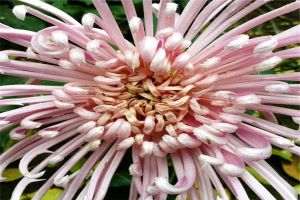
How to care for chrysanthemums in winter? Winter care methods and precautions
This flower generally blooms in autumn, and winter care is still a challenge. If you are in the south and growing them outdoors, you can cut the stems 15 cm above the ground after the flowers fade, then cover them with soil and fallen leaves. In the north, however, you need to move them indoors. The temperature does not need to be too high, and do not water too much either; once the weather warms up, increase the watering and you can move them outside. In addition, in late autumn, you can also use new shoots to propagate it from cuttings.
-
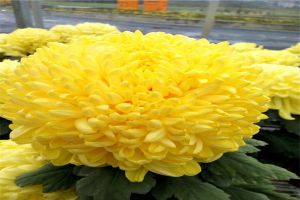
How to care for chrysanthemums in autumn? Care methods and precautions
Autumn is a very important period for chrysanthemums, and management during this period is very important. As for watering, water more on sunny days, but do not water too much; for fertilizing, first loosen the soil, and do not let fertilizer water touch the leaves; in early October you can apply organic fertilizer, and every morning you should also check the leaves and observe the plant to decide whether to reduce fertilizing. In addition, you can give it supports, and if willow buds form, remove them promptly.
-
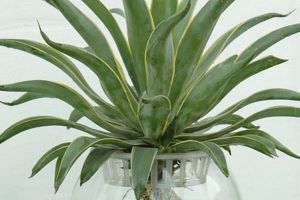
How to grow Sansevieria (snake plant) in water? Growing methods and precautions
When growing this plant in water, pay attention to these points. First, we should choose the container according to its size. Second, we need to treat its roots; generally speaking, this means washing the roots and trimming the roots. Finally, pay attention to the amount of water added; just leave one third of the roots exposed. In addition, we should normally make sure it gets enough light and water, and regularly clean and change the water.
条件筛选