-
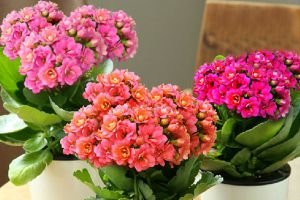
Is Kalanchoe suitable for growing indoors? Indoor care precautions
It can be placed inside the house and it is not toxic. Flower lovers who have children or pregnant women at home always worry about whether keeping plants in the house will harm people's health. Some flowers are indeed harmful, but this plant is not harmful. In addition, it can absorb impurities from the air and serve an ornamental and decorative purpose.
-
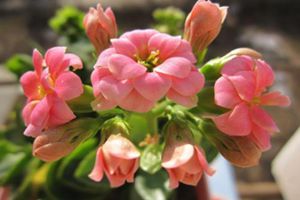
Kalanchoe Flowering Period Care Methods and Precautions
After its flowers have fully bloomed, you can reduce its light exposure, which can extend the length of its flowering period. Keep it in a well-ventilated condition, otherwise it may become infected. Promptly prune away dead branches, otherwise they will consume nutrients. Fertilize it to replenish the nutrients consumed, and also maintain an appropriate temperature.
-
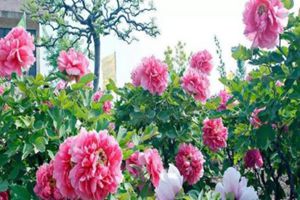
Is the peony flower toxic? Peony toxicity and precautions for keeping it at home
It is non-toxic, and it can be used both to purify the air and as food. However, because of its habits, it is best not to keep it indoors for care, as this is not very beneficial to its growth. If you want to keep it in the house, you can place it on the balcony.
-
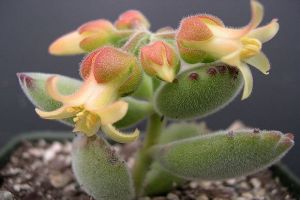
Is the Bear's Paw (Cotyledon tomentosa) Poisonous? Toxicity Analysis and Care Precautions
This is a cute succulent plant. Some friends want to grow it, but worry about whether it is poisonous. Actually, there is no need to worry, this plant is not poisonous. It is a plant of the Crassulaceae family, and plants in the Crassulaceae family are generally non-toxic. Keeping it at home is nothing to worry about, and it will not cause harm even if pet cats or dogs accidentally eat it.
-
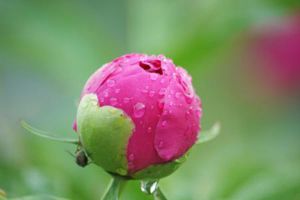
How to care for peonies in winter? Winter care methods and precautions
Peonies are relatively delicate plants, and if you want them to make it through winter safely, you still need to take certain measures. First, we need to confirm that they go dormant in winter, so we should let them stay in a dormant state, as this is the only way they will grow especially well the following year. In addition, their temperature requirements are also relatively high, and both daytime and nighttime temperatures need to be carefully adjusted. Besides that, we also need to give them a certain amount of light, but not direct sunlight. Next, let's talk about it.
-
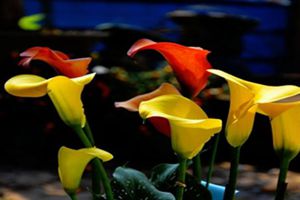
How to grow colored calla lilies? Growing methods and precautions
To grow this plant, use sandy soil with very good aeration and drainage, and the pot should be relatively shallow. The suitable temperature for its growth is 22-30 degrees; if it is below 20 degrees, its growth rate will slow down. Water according to how dry the soil is, the fertilizer dose does not need to be large, and during the growing period give it strong light.
-

What are the cultivation methods and precautions for kumquat
When caring for it, choose fertile soil, keep the temperature between 22-28°C, and provide plenty of light but shade it appropriately in summer. In summer, add more phosphorus fertilizer to help it bear fruit. When the weather is relatively dry, sprinkle water on it to increase humidity, and prune when the branches grow long to help the tree shape look better.
-
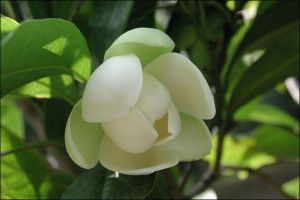
Can banana shrub (Michelia figo) be grown indoors? Indoor cultivation precautions
From the pictures we can see its ornamental appeal. So many people will ask whether it can be grown indoors. The answer is: yes. As for the reasons, the first is that it is not toxic, so it can be placed indoors with peace of mind, and at the very least it will not cause any harm. Then there is its appearance; its ornamental value is obvious to all, so there is no need to say more. Besides its ornamental role, it also has some other functions, which likewise prove that it can be placed indoors.
-
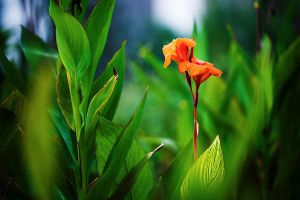
Is Canna suitable for growing indoors? Indoor cultivation precautions
This plant has good ornamental value, so many friends will surely want to grow it at home as an ornamental plant. Then there is a question: is it suitable to put at home? In fact, there are many factors to consider. From some aspects it is suitable, for example its ornamental value is high, and it can also absorb many harmful substances. However, because it originates in the tropics and likes a bright, warm and hot environment, from this aspect it is not suitable to put indoors, and is better placed in a courtyard. If you must put it indoors, then you can appropriately adjust the environment around it.
-
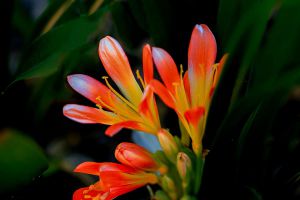
Care methods and precautions after repotting a clivia
After the beginning of spring, growers are very likely to repot their clivias. Care after repotting is very important. The most important thing is water. Right after repotting, of course you need to water thoroughly. You can use plain water, but nutrient solution works better. After about three days, resume normal watering. The second is light. Right after repotting, first place it in a shaded environment. After ten days, then give it appropriate sunlight. There is also temperature, which needs to be kept within a suitable range at all times, 15 to 20 degrees during the day and 10 to 15 degrees at night.
条件筛选