-
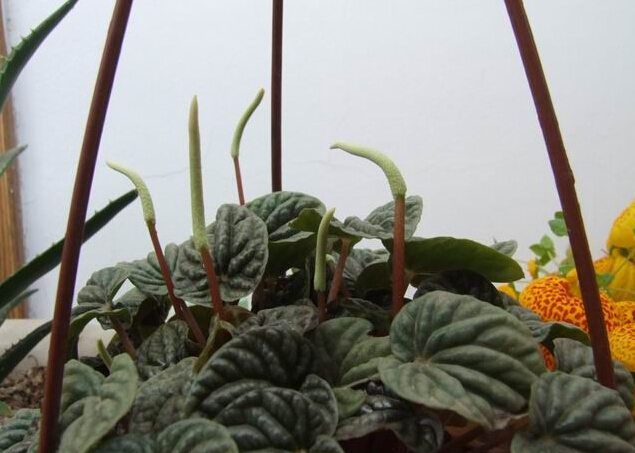
How to Grow Peperomia caperata? Detailed Guide to Growing Methods and Precautions
It adapts well to the environment; even if the soil and water quality are poor, it can still grow well, making it suitable for planting in the background. Because its roots, which take hold in the bottom sand, spread out, it needs a considerable amount of space to grow. It propagates through new shoots sent out from older parts. In the domestic horticultural world
-
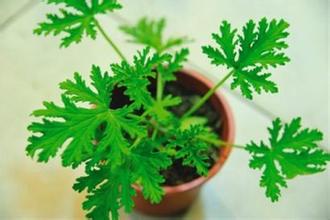
How to grow mosquito repellent grass? Cultivation methods and precautions
The scientific name of mosquito repellent grass is Pelargonium graveolens, a plant under the genus Pelargonium, which can naturally emit a lemon-scented fragrance. Therefore, mosquito repellent grass occupies a very important position in the perfume industry, being cultivated artificially in large quantities to distill the essential oil from its leaves. Mosquito repellent grass has a variety of scents
-
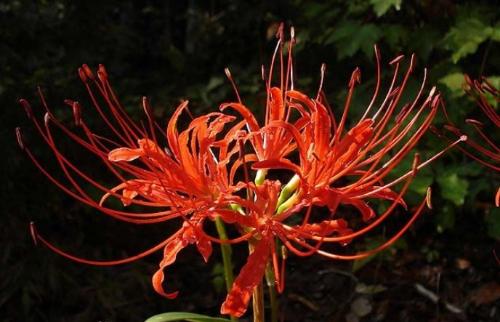
How to grow red spider lily? Detailed guide to cultivation methods and precautions
Temperature Many members of the Amaryllidaceae family love warm climates, so amaryllis, crinum lily, spider lily, society garlic, autumn zephyr lily, pink rain lily and fireball lily all belong to this category and are suitable for cultivation on flat land. The optimal growth temperature for golden spider lily and clivia is between 5 and 25°C, making them more suitable for planting in northern regions
-
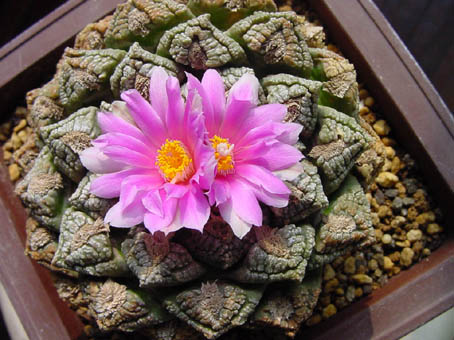
How to grow Ariocarpus fissuratus? Detailed guide to cultivation methods and precautions
Propagation of Ariocarpus fissuratus is very difficult. It can be done by sowing seeds or by removing offsets for grafting. Because the fruit takes a very long time to mature and germination is very difficult, the germination rate is extremely low, and seedlings grow very slowly. It is the species in the genus Ariocarpus whose growth rate is second only to Ariocarpus agavoides; for grafting, Trichocereus (three-ribbed cactus) can be used as rootstock.
-

Sunflower Planting Methods and Precautions
1. Rational crop rotation, choose a good previous crop. Sunflowers should not be planted continuously, nor should they be planted in low-lying, waterlogged plots. The choice of previous crop is not strict; apart from sugar beet and deep-rooted forage grasses, any other crop can serve as the previous crop for sunflowers. Sunflowers have strong adaptability
-
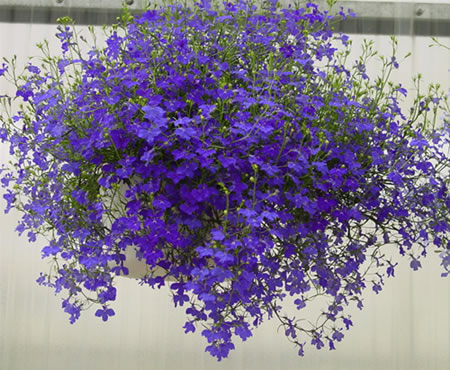
How to grow Lobelia? Detailed guide to cultivation methods and precautions
Note that the seeds of lobelia are very small, so when sowing you can mix in a little fine sand before sowing, or first raise seedlings until they have 6-8 true leaves, then transplant them into pots or cultivate them in flower beds; and use a fine-nozzle watering can to water, the water pressure must never be too strong, to prevent the seeds from being washed away. Sow from January to March, and they bloom after July
-

How to grow variegated Schefflera arboricola? Growing methods and precautions
Variegated Schefflera arboricola is commonly propagated by cuttings, layering and sowing. For the cutting propagation technique, from a mother plant that has been growing for several years, cut off one-year-old branches 6-8 cm long, or take the branches cut during repotting or heavy spring pruning as cutting material. Remove the leaves from the part to be inserted, and insert the cuttings in a substrate of perlite that has been soaked in water beforehand
-

How to grow Tradescantia? A full analysis of cultivation methods and precautions
Because of its long flowering period, upright stems, distinct nodes and leaf sheaths, Tradescantia has a peculiar and elegant plant shape and a full wild flavor. Planted in masses under trees, or combined with the long leaves of iris, its plant shape, flower buds and inflorescences are striking and full of charm. It works well for flower beds and mass planting along both sides of roads, and can also be potted for indoor display
-
How to grow Cymbidium orchids? Detailed guide to cultivation methods and precautions
For the growing medium and pot selection, it is best to choose a tall cylindrical pot with many holes in the bottom and on all four sides. The growing medium should be bark chunks or fern roots with good air permeability and drainage. Charcoal, ceramsite and similar materials should be added to the lower part of the pot to help with drainage.
-
Sage Cultivation Methods and Precautions
Cultivation: Full sun and good ventilation, with well-drained sandy loam or deep loam being preferable, are beneficial for growth. Direct seed sowing, 3-5 seeds per hole; after one week of germination or when seedlings reach 5-10 cm in height, thinning is required. Spacing of 20-30 cm. After plants mature, thinning and pruning can be done again to increase spacing.
条件筛选