How to grow Lobelia? Detailed guide to cultivation methods and precautions
Note that the seeds of lobelia are very small, so when sowing you can mix in a little fine sand before sowing, or first raise seedlings until they have 6-8 true leaves, then transplant them into pots or cultivate them in flower beds; and use a fine-nozzle watering can to water, the water pressure must never be too strong, to prevent the seeds from being washed away. Sow from January to March, and they bloom after July; sow from August to October, and they bloom the following year. The seeds can germinate 20 days after sowing at a temperature of 22°C. They are generally commonly used as potted plants and hanging basket plants, or mixed with other flowers. The plants grow slowly, the seeds are very small, and no covering is needed at germination. They are not suited to high temperatures and grow better at 12-15°C. They can bloom 65 days after sowing. Generally sow 8-12 seeds per cell.
During the seedling stage, pay attention to loosening the soil and removing weeds. Apply 1 application of dilute human waste after planting; after the summer harvest, apply 1 additional application of livestock manure or ammonium sulfate, urea, etc.; in winter, apply decomposed fertilizer or compost. In dry seasons, irrigate and keep the soil moist at all times to promote growth. When transplanting, add a slow-release fertilizer at the same time, and then apply additional fertilizer about every three weeks afterward. Especially before the flowering period begins, supplement a relatively larger amount of phosphorus fertilizer to promote flowering.
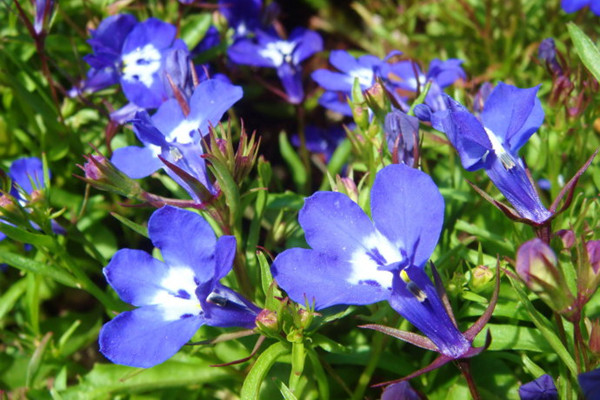
Cultivation methods for lobelia
Pot and soil selection
When planting lobelia, you need to choose a loose, well-drained sandy soil rich in humus. Put the soil into a flower pot with a diameter of about 10cm to 15cm, and add some base fertilizer. In the flower pot, you can plant 2-3 small seedlings, so that the potted lobelia will be fuller and more vigorous when it blooms.
Light and temperature
Lobelia needs to grow in a long-day and low-temperature environment to grow well and produce brilliant flowers. Lobelia is a long-day plant and needs to be guaranteed a relatively long period of light. Lobelia needs to receive long periods of sunlight every day. In winter and early spring, when the daylight period is shorter, you need to provide artificial supplemental light for lobelia to meet the light conditions for flowering and make it bloom earlier.
In terms of temperature, the suitable temperature for lobelia growth is between 15°C and 18°C. Its cold tolerance is relatively poor, and it is also not tolerant of intense heat. In winter, when the weather is cold, it does not have to be brought indoors to overwinter, but note that lobelia is not tolerant of frost and cold, and it must be protected from freezing.
Water and fertilizer management
In terms of water and fertilizer management, you need to water reasonably and fertilize appropriately. During the growth period of lobelia, you can water once every 7 to 10 days, and water thoroughly when you do. Basically, follow the principle of watering thoroughly after the soil dries out. When fertilizing, it needs to be done according to the growth needs of lobelia. During the growth period, in order to help lobelia grow healthily, you can apply a nitrogen fertilizer once a week to promote growth. Nutrients should also be supplemented before flowering so the flowers bloom brilliantly. When the temperature is relatively low, fertilization can be gradually stopped.
Precautions for growing lobelia
Pinching and pruning
Pinching and pruning is a simple method to control the plant shape of lobelia. Pinching during the growth period promotes the growth of lateral buds in lobelia. With more branches, there will also be more flower buds.
Pests and diseases
During the growth period of lobelia, you need to frequently observe the growth condition of the lobelia plants. Use some fungicidal and insecticidal agents to prevent damage from mold or red spider mites, so that lobelia grows healthily.
How to grow Lobelia? Cultivation methods and precautions for lobelia
Lobelia, also known as lobelia erinus, Chinese lobelia, and half-flower lobelia, among other names, is a perennial herbaceous plant of the genus Lobelia in the Campanulaceae family, and is a distinctive blue-flowered variety. When lobelia blooms, the whole plant takes on a rounded shape and has high ornamental value. It is often potted indoors, or planted in courtyard landscaping. So, how do you grow lobelia? The cultivation methods and precautions for lobelia are introduced below.
Image: Lobelia
I. Cultivation methods for lobelia
1. Pot and soil selection:When planting lobelia, you need to choose a loose, well-drained sandy soil rich in humus. Put the soil into a flower pot with a diameter of about 10cm to 15cm, and add some base fertilizer. In the flower pot, you can plant 2-3 small seedlings, so that the potted lobelia will be fuller and more vigorous when it blooms.
2. Light and temperature:Lobelia needs to grow in a long-day and low-temperature environment to grow well and produce brilliant flowers. Lobelia is a long-day plant and needs to be guaranteed a relatively long period of light. Lobelia needs to receive long periods of sunlight every day. In winter and early spring, when the daylight period is shorter, you need to provide artificial supplemental light for lobelia to meet the light conditions for flowering and make it bloom earlier. In terms of temperature, the suitable temperature for lobelia growth is between 15°C and 18°C. Its cold tolerance is relatively poor, and it is also not tolerant of intense heat. In winter, when the weather is cold, it does not have to be brought indoors to overwinter, but note that lobelia is not tolerant of frost and cold, and it must be protected from freezing.
3. Water and fertilizer management:In terms of water and fertilizer management, you need to water reasonably and fertilize appropriately. During the growth period of lobelia, you can water once every 7 to 10 days, and water thoroughly when you do. Basically, follow the principle of watering thoroughly after the soil dries out. When fertilizing, it needs to be done according to the growth needs of lobelia. During the growth period, in order to help lobelia grow healthily, you can apply a nitrogen fertilizer once a week to promote growth. Nutrients should also be supplemented before flowering so the flowers bloom brilliantly. When the temperature is relatively low, fertilization can be gradually stopped.
Image: Lobelia
II. Precautions for growing lobelia
1. Pinching and pruning:Pinching and pruning is a simple method to control the plant shape of lobelia. Pinching during the growth period promotes the growth of lateral buds in lobelia. With more branches, there will also be more flower buds.
2. Pests and diseases:During the growth period of lobelia, you need to frequently observe the growth condition of the lobelia plants. Use some fungicidal and insecticidal agents to prevent damage from mold or red spider mites, so that lobelia grows healthily.
[Editor's concluding remarks]Lobelia needs a long-day, low-temperature environment to bloom, and special attention must be paid during care. The above introduces the cultivation methods and precautions for lobelia, and we hope it can help everyone!