-
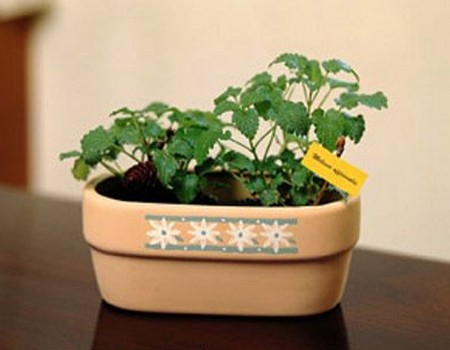
Detailed Guide to Making a Broadleaf Mahonia Bonsai
There are many varieties of broadleaf mahonia (Mahonia bealei). Common ones include the dense-spined broadleaf mahonia, whose leaf margins have denser spines, and the spineless broadleaf mahonia, whose leaf margins have no spines; these varieties are also often used to make bonsai. Mahonia has clustered stems, spreading branches and leaves, varied leaf shapes, and stays evergreen all year round. Especially when the old leaves turn orange-red alongside the newly sprouted emerald leaves,
-
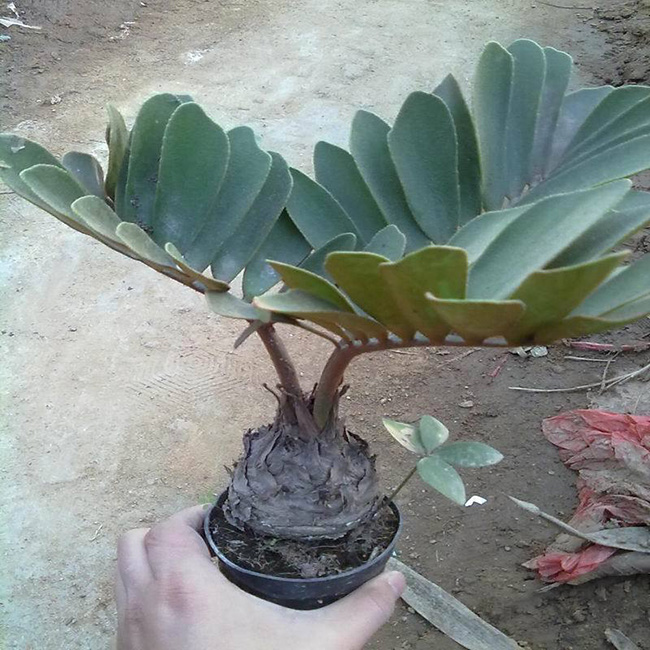
How to Grow Zamia furfuracea (Cardboard Cycad, Broadleaf Cycad)? Detailed Guide to Cultivation Methods and Precautions
Zamia furfuracea, also known as the cardboard cycad or broadleaf cycad, is a plant in the genus Zamia, native to the Americas and other regions. Morphological characteristics of Zamia furfuracea: trunk height 15-20 cm, single trunk or rarely branched, sometimes growing in clumps, thick stem, cylindrical, surface densely covered with rows of dark brown leaf scars
-
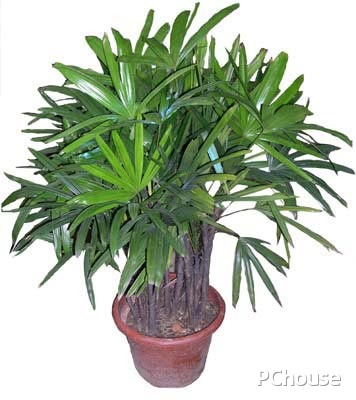
How to grow Rhapis excelsa (broadleaf lady palm)? These care tips make it easy to get started
Because Rhapis excelsa prefers a semi-shaded environment and must not sit in waterlogged conditions during cultivation, the following points should be noted when caring for it: 1. During the growing season, water should be sprayed on the leaves often; it is suitable for growing in pots. 2. Although Rhapis excelsa is shade-tolerant, it still needs appropriate light; too little light will cause the leaves to turn yellow.
-
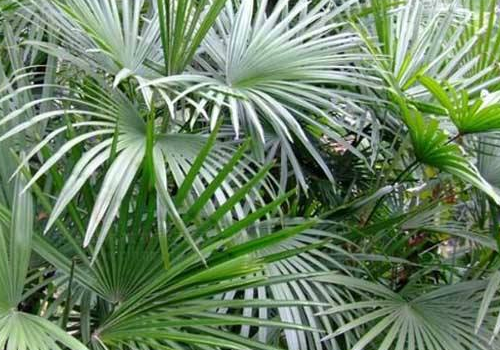
When to Divide Broadleaf Lady Palm and Why It Is Not Suitable for Growing at Home
Broadleaf lady palm is also one of the plants, and a great many people know about it. So when should broadleaf lady palm be divided? Why is it not suitable to grow at home: When to divide broadleaf lady palm: Broadleaf lady palm division propagation is generally carried out in spring when repotting. (The best time for division is March to April.
-
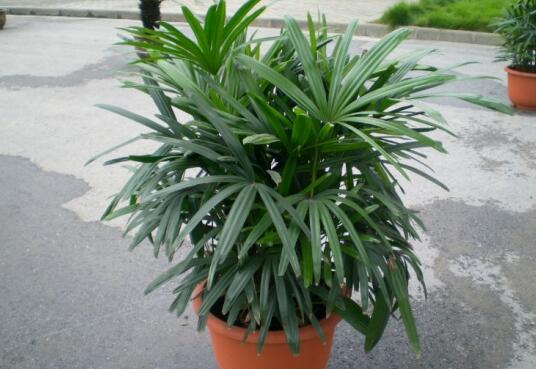
What to do when the leaves of broadleaf lady palm turn yellow: apply light fertilizer frequently, control the amount of watering, pay attention to shading
Broadleaf lady palm is a highly ornamental plant, and keeping it at home brings people many benefits. However, no matter how beautiful a plant is, if its leaves turn yellow, it will affect its overall beauty. So what should you do when the leaves of broadleaf lady palm turn yellow? Below, the editor will walk you through it. 1. What to do when the leaves of broadleaf lady palm turn yellow
-
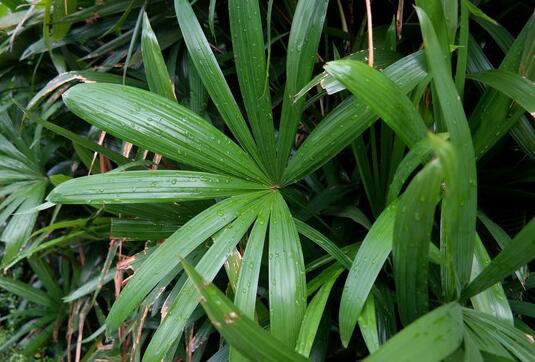
How to repot the broadleaf lady palm? Early March is the most suitable time for repotting
During the cultivation of the broadleaf lady palm, it needs to be repotted once every 2-3 years, which allows it to grow better. However, there are many things to pay attention to when it comes to repotting. So how do you repot a broadleaf lady palm? What are the precautions for repotting a broadleaf lady palm? Let us walk you through it below.
-
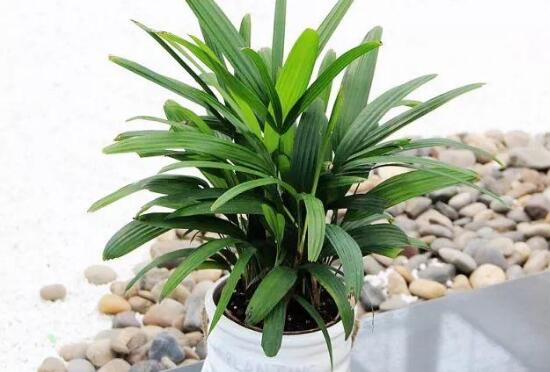
How to grow potted broadleaf lady palm? Warmth-loving care methods and precautions
Gardeners are probably familiar with the broadleaf lady palm, also called Guanyin bamboo; it is a common indoor ornamental plant. In daily life, because the broadleaf lady palm looks very dignified, it is favored by many gardeners. So how do you grow a broadleaf lady palm? For this, the editor has carefully compiled the care methods and precautions for the broadleaf lady palm, very comprehensive.
-

-
How to grow Rhapis excelsa (broadleaf lady palm)? Keep these care tips in mind
During the growing season of Rhapis excelsa, water should be sprayed on the leaves frequently; it is well suited to pot cultivation. Each fertilization should use a small amount but be done frequently. Organic fertilizer should be the main type, with trace fertilizers as a supplement. Rhapis excelsa needs a large amount of water; when watering, remember to pour from the growing point downward, letting clean water flow from top to bottom to the roots, keeping the potting soil moist
-
Why Broadleaf Lady Palm Is Not Suitable for Growing at Home
1. Insufficient humidity: Broadleaf lady palm has high humidity requirements. When the air is too dry, leaf scorch often occurs. This is especially true for the slender-leaved lady palm. 2. Lack of fertilizer: The formation of chlorophyll in leaves requires an adequate supply of nitrogen. Without fertilization for a long time, leaves will turn yellow due to nutrient deficiency, but the yellowing often develops gradually from bottom to top.
条件筛选