-
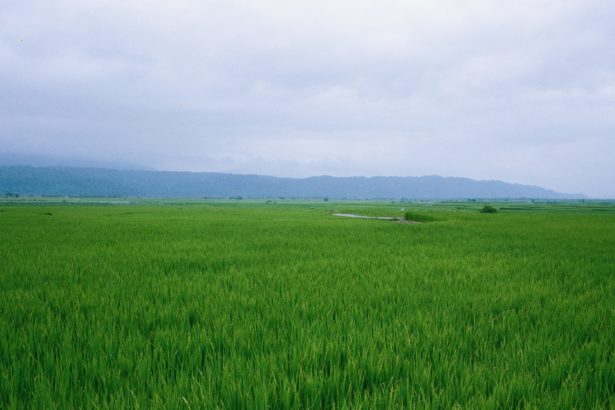
Rice multicultural practice: Four key elements for local sake brewing need breakthroughs
Li Jianwei / Heart of Sake 03: Let local sake brewing become a practice of rice multiculturalism! Four key elements need breakthroughs
-

How can you distinguish spring tea, summer tea, autumn tea and winter tea after brewing?
Spring tea: when brewed, the tea leaves sink relatively quickly, the aroma is strong and lasting, the taste is mellow, the liquor is clear and bright, the brewed leaves are soft and thick, there are many normal buds and leaves, and the leaf veins are fine and dense with inconspicuous serrations on the leaf margin. Summer tea: when brewed, the tea leaves sink relatively slowly, the aroma is not high enough, the taste is somewhat bitter and astringent, the brewed leaves are thin and rather hard, there are relatively many opposite leaves (with inconspicuous terminal buds), the leaf veins are coarser, and the serrations on the leaf margin are obvious. Autumn tea: the aroma is not high, the taste is light and slightly astringent, there are many opposite leaves, the serrations on the leaf margin are obvious, and the leaf blades vary in size. Winter tea: the aroma tends toward a light fragrance type, and the taste is smooth and softer than spring tea
-
Brewing wine from fish gives exceptionally high nutrition; the nutritional value of fish wine should not be underestimated
People who drink alcohol all know that fish is a delicious accompaniment to wine, yet few people know that fish itself can also be used to brew wine, and its nutritional value is several times higher than that of ordinary wine. In China's alcohol market, fish wine produced in Dalian has attracted people's attention. Dalian people not only love seafood, but are also good at finding new ways to enjoy seafood products. The fish wine, which can be called a unique wonder of China, was developed through the dedicated research of Dalian native Sun Keman. The alcohol industry's authorities evaluate fish wine as follows: it has changed China's traditional winemaking process of several thousand years and opened up a new world for the global alcohol industry
-
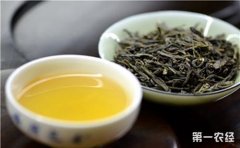
Tea has high nutritional value, so it is too wasteful to throw it away after brewing; the research station promotes healthy tea leaf powder drinks
Is it wasteful to throw away tea after brewing when it still has nutritional value? The Tea Research and Extension Station promotes healthy tea leaf powder drinks. Isn't this better? You can take a good look at it.
-
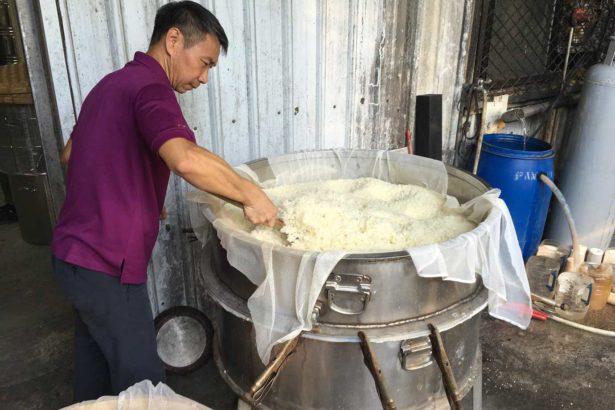
Taiwan's terroir brewing is not a marketing gimmick; it should come from solid local farming
Li Jianwei/Taiwan's terroir brewing is not a marketing gimmick; it should come from solid local farming
-
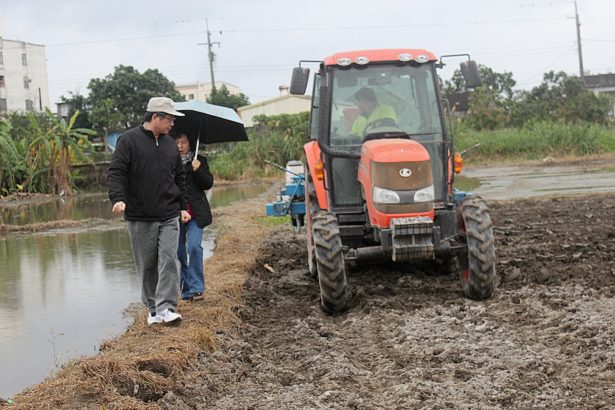
Yilan's old late-maturing soybean varieties pack a rich bean aroma, brewing a truly local soy sauce
One terroir, one bean: Yilan's old late-maturing soybean varieties pack a rich bean aroma, brewing a truly local soy sauce
-

Can Gardenia Flowers Be Brewed as Tea? Learn the Correct Brewing Method
Can Gardenia Flowers Be Brewed as Tea?
-
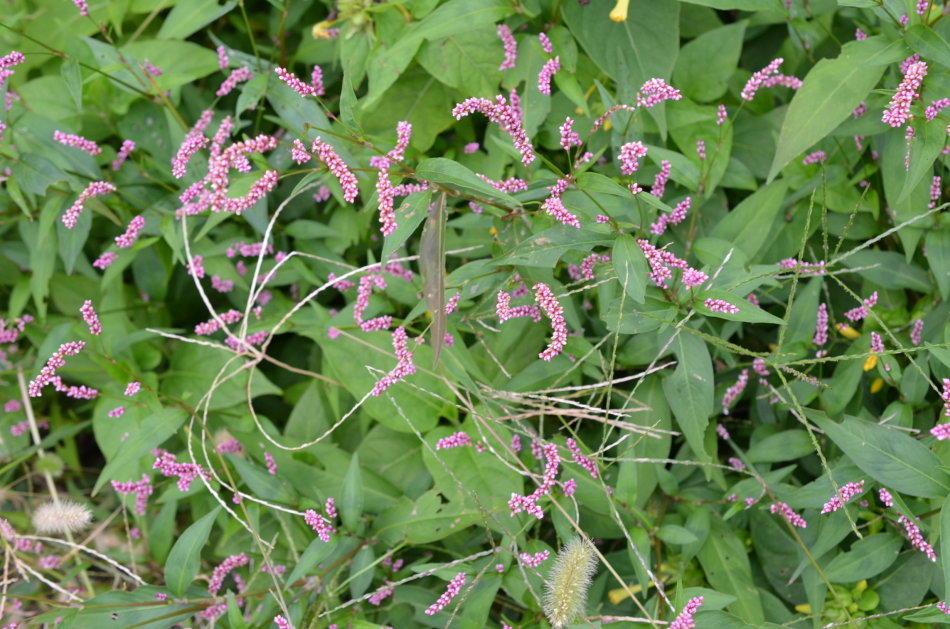
The wild grass by the water is spicier than chili peppers, unbeatable for catching soft-shelled turtles, and also a top-grade ingredient for brewing wine
Everyone knows that there are many kinds of wild grasses in China's rural areas, and in the past when medicine was not well developed, wild grasses became the representative of cure-alls, and even now, many rural areas still gather wild grasses to treat illnesses. But now medicine is advanced...
-
Brewing wine plus raising pigs is a sure-profit, can't-lose good project for getting rich
Brewing wine plus raising pigs, sure profit, no losing
-
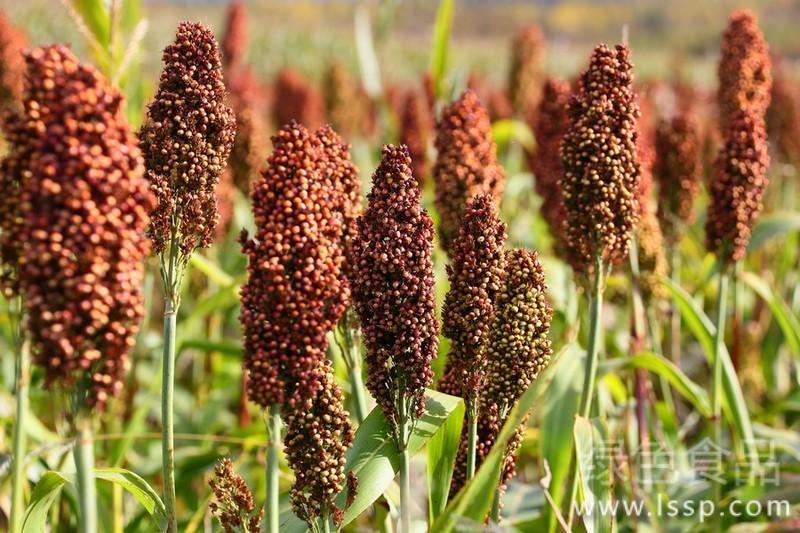
High-yield cultivation techniques for brewing sorghum, growing mellow and great-tasting grain
Sorghum for brewing is mellow and tastes good: high-yield cultivation techniques for brewing sorghum
条件筛选