Taiwan's terroir brewing is not a marketing gimmick; it should come from solid local farming
Brewing is the art of crops grown from the land being fermented by fungi. Through fungal fermentation and transformation, crops produce different chemical substances and aromas such as esters and alcohols, and these substances blend into a pleasant drink. Before sterilization or distillation, the fungi survive in the liquid and continue to act. After distillation, the liquor also undergoes aging, which makes the flavor fuller and rounder. As it continues to change over time, it is just like life, and this is also what makes alcohol so fascinating. With just water, crops and yeast, a variety of different flavors can be created.
So what is terroir brewing?
Simply put, it is brewing locally using crops produced locally, a brewing method that expresses the taste of the local terroir; it is different from a production model that focuses only on cost and output. For example: Japanese sake emphasizes the use of good local water and rice to brew "local sake," producing sake with different flavors. French wineries use grapes produced in local appellations to brew; the flavors of different appellations also differ. This also shows the diversity of terroir brewing, making drinking more interesting.
Terroir brewing is actually a very direct model of agricultural processing. It was originally a model for dealing with local crop surpluses, or for increasing the economic value of crops. However, because of the development of trade and transportation, industrialized brewing production that considers cost has gradually stopped taking the "local" factor into account.
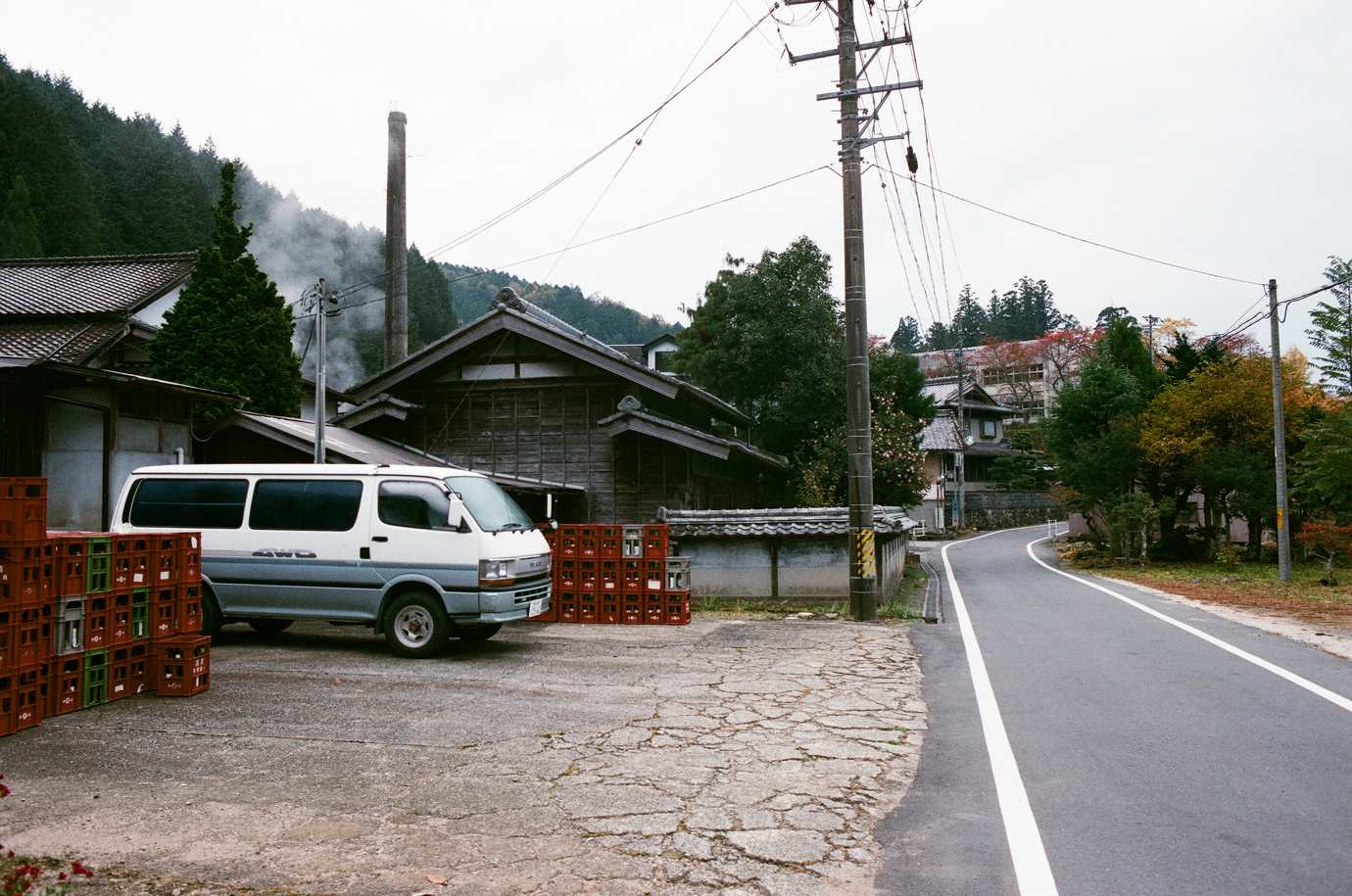
Planting and production are the foundation of terroir brewing
From monopoly to openness, we can see that Taiwan's terroir brewing has gradually grown in diversity. But this is only the beginning. Taiwan has the advantageous conditions of diverse climate and species, producing rich and diverse crops, and these are all abundant nutrients for the growth of terroir brewing. The traditional brewing methods of different ethnic groups scattered among the people are the best materials that can be improved and integrated. For example, different indigenous tribes use different plants to make koji, and the various folk brewing methods using different grains and fruits can all be improved and developed.
We can gradually enrich the foundation of terroir brewing, but do not forget the purpose of terroir brewing. Brewing develops and grows together with local agriculture, allowing surplus crops to be processed and brewed, solving the problem of agricultural surpluses, or increasing the value of agricultural products through brewing, making the rural economy more vibrant. Only with planting and production can there be the so-called source of terroir brewing; it is not a marketing gimmick of adding elements. It is hoped that rural areas will gradually become revitalized and reborn because of this terroir brewing. Taiwan can also gradually develop a local drinking culture for alcoholic beverages, instead of always relying on imports from abroad.
(The original text of this article was published in Qingya'er issue 85, 2018.09/10. Qingya'er is a publication founded in 2003 that focuses on rural issues from the starting point of the "three rural issues." Please support and sponsor it.)