Rice multicultural practice: Four key elements for local sake brewing need breakthroughs
"Heart of Sake" returned to Taiwan in 2016, wanting to put into practice what was learned in Japan. It is a process starting from scratch, and of course facing many problems and difficulties, but in facing the problems, a path for Taiwan brewing was also found.
Piecing things together from scratch
Sake brewing in Taiwan actually began during the Japanese colonial period. The Japanese brought sake into Taiwan, and it has now been over 100 years. Early sake was mostly "reprocessed sake" with added molasses alcohol. Later, Japanese civilians and the government invested more resources to produce high-grade sake such as "Hu Die Lan," using japonica rice shipped from Kyushu, Japan, mixed with Taiwanese rice as the raw material for brewing. In the later period, some high-grade sake was even exported back to Japan. During this period, the Japanese introduced many sake brewing techniques, raising the level and quality of brewing, and brewing began to enter a scaled and capitalized production model.
But after the end of World War II, when the Nationalist government came to Taiwan, it cut off the already accumulated Japanese-style brewing techniques and culture, making the production of Chinese yellow wine and baijiu the mainstream of brewing. It was not until 1997 that the Monopoly Bureau used Ponlai rice as the raw material to make and sell "Yuchuan Sake." Then in 2002, in response to internationalization and liberalization, the government opened up tobacco and alcohol production.
The Wufeng Farmers' Association in Taichung introduced Japanese technology and used Yiquan fragrant rice to launch the "Chuwu" series of sake. Taiwan Tobacco and Liquor Corporation also launched sake such as "Taiwan Beauty" and "Kikufuji," and Taiwan gradually regained interest in brewing sake. Since people in Taiwan are already brewing sake, what else needs to be put into practice?
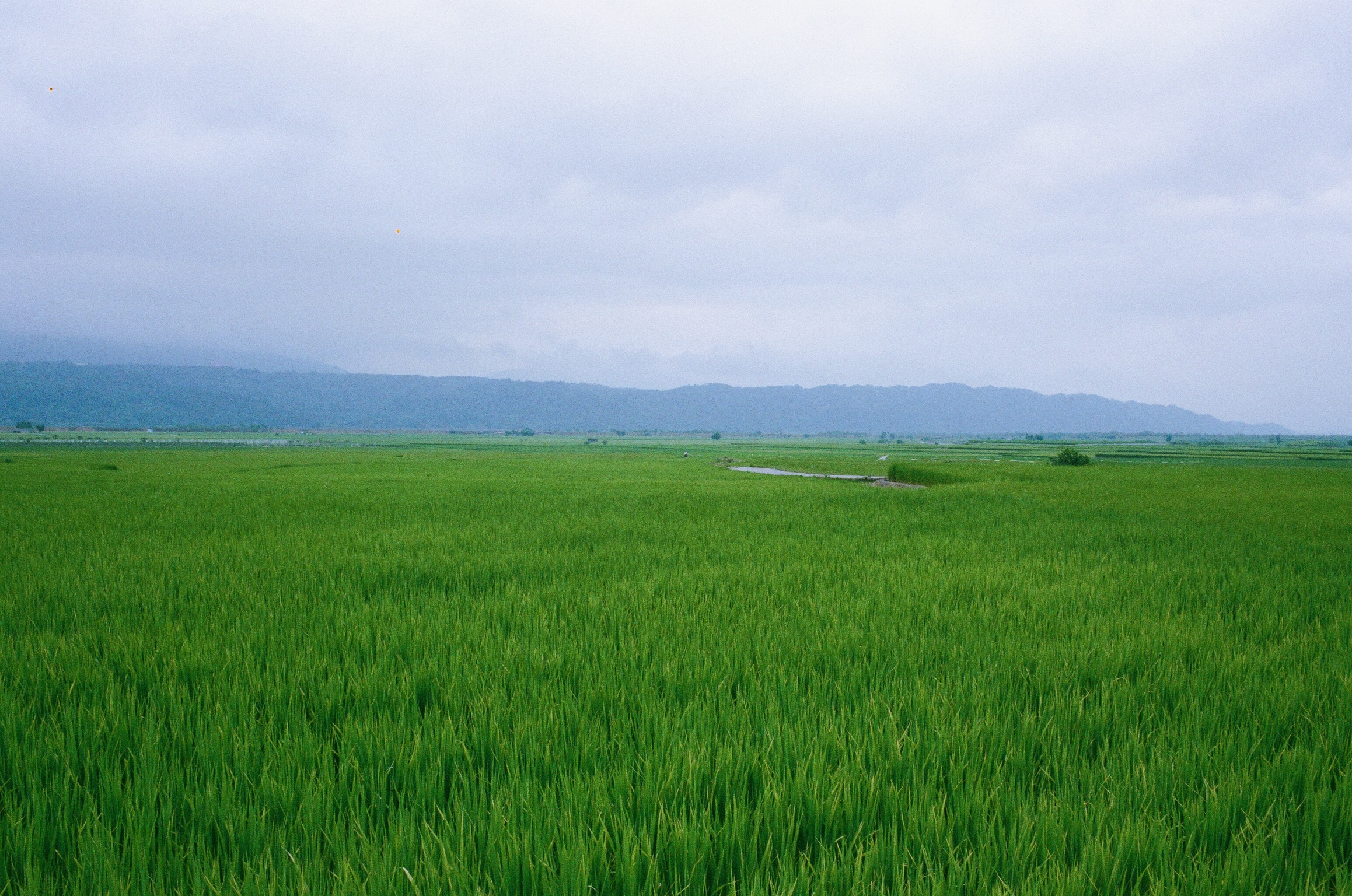
Zhongfu Distillery in Sanxing, Yilan