-

How do you deal with small black spots on the underside of orchid leaves?
In orchid growing, if you want to raise robust seedlings free of disease spots, the first thing you must face is infectious diseases, which fall into four major categories: fungal, bacterial, viral and nematode. ...
-

Reasons and solutions for black spots on hydroponic anthurium leaves
It is also known as "Anthurium" and "flamingo flower". Its flowers come in red, pink, white and other colors, and are very charming. However, beautiful flowers also need green leaves to set them off. If black spots appear on the green leaves, it will definitely affect the appearance. So, what should be done when this happens?
-
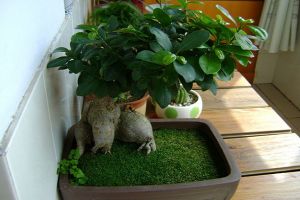
What should I do if the leaves of a ginseng ficus develop black spots and also turn yellow and drop off?
It originally grows in tropical regions, and when grown in our country, its leaves may develop black spots. The most likely cause of this outcome is that it has become diseased, and in that case we need to treat it promptly; the next possibility is that water splashed onto its leaves during watering, and in that case the water should be wiped off promptly.
-
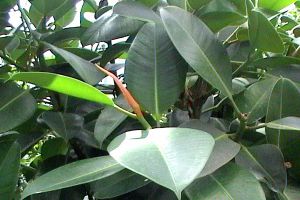
What to Do When a Rubber Plant Develops Black Spots? Causes and Control Methods
Things can go wrong as a rubber plant grows, for example it may develop black spots. In this case, the first thing to do is determine the cause. If it is anthracnose, the spots start out brownish-green and gradually darken; at this point we should cut off the diseased branches and leaves and treat it with anthracnose thiram or zineb. If it is gray spot disease, the spots are black on the outside and white on the inside; in this case we need to cut off the diseased leaves and treat it with carbendazim.
-
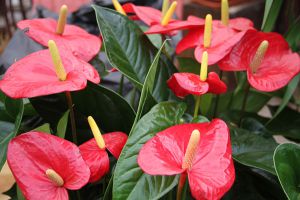
Causes of Black Spots on Anthurium Leaves and How to Fix Them
Anthuriums (Anthurium andraeanum) are very beautiful plants, but sometimes black spots appear on their leaves. When this happens, we must not panic; we need to identify the cause and then take the appropriate measures: if it is due to improper watering, we can reduce or increase the frequency of watering according to the specific situation; if it is due to too much fertilizer, we can repot it with fresh soil or find a way to neutralize the excess fertilizer; if it has contracted leaf spot disease, we should promptly cut off the diseased leaves and spray the appropriate treatment once a week.
-
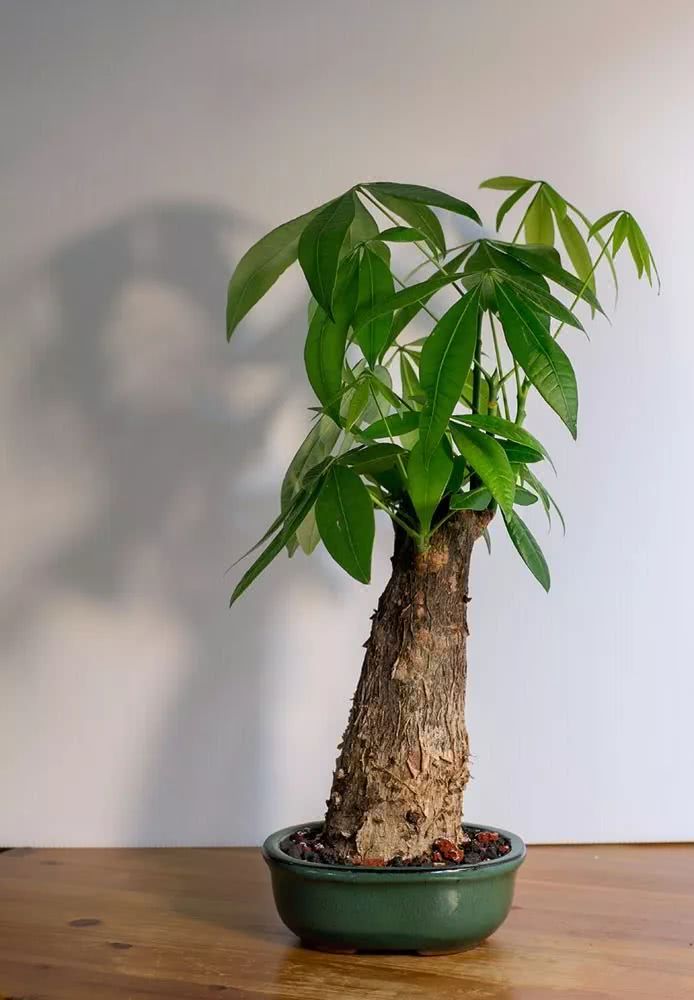
Why do the leaves of the money tree develop black spots and keep turning yellow?
The most common problems when growing a money tree indoors are caused by overwatering. If you water it often, the money tree will easily drop its leaves. The money tree is also very prone to cold damage; it is a tropical potted plant, and the minimum care temperature needs to be kept...
-
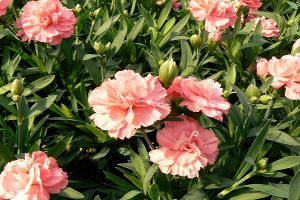
What to Do About Black Spots on Carnation Leaves? Causes and Control Methods
There are two main reasons why carnations develop this problem: one is disease, and the other is a watering mistake. The way to deal with the former is to remove the diseased leaves and spray medication for treatment, while the way to deal with the latter is to pick off the leaves that have developed black spots.
-

What to Do When Gardenia Leaves Develop Black Spots? Causes and Solutions
When this happens, the most likely cause is a disease problem, specifically "leaf spot disease." So, besides removing the diseased leaves, you also need to spray them with medicine. Another cause is poor air circulation combined with poor light, which allows some harmful bacteria to produce mildew. In that case, ventilation and plenty of light are essential. Yet another cause is too much water, with overly severe water accumulation, which can also lead to this situation. The corresponding fix is to regulate the amount of water and drain it promptly.
-
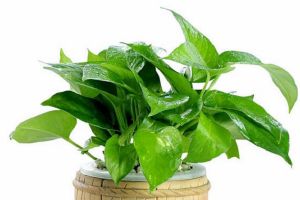
What causes black spots on pothos leaves?
Most people growing pothos will find that their plant is not entirely green, but has black spots. What is going on? There are actually several reasons: the most common is leaf spot disease; in addition, overly stuffy air, insufficient light, or an environment that is not warm enough can also trigger this condition. Next, let us look at how to solve it.
-
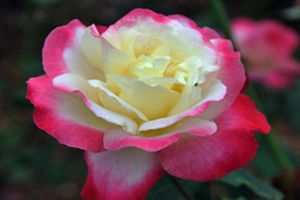
What to Do When Rose Leaves Develop Black Spots? Effective Control Methods to Teach You
It develops black spots because it has contracted black spot disease, which generally occurs mostly on plants in the Rosaceae family. Spots first appear on the edges of the leaves, then spread to the upper surface of the leaves, and finally the lesions join together, causing the branches and leaves to drop. It spreads mainly by means of spores, and it is most likely to occur in hot, especially rainy seasons. If it is in the early stage of the disease, remove the diseased branches and leaves and burn them in a centralized manner; if the situation is serious, chemical treatment is needed.
条件筛选