-
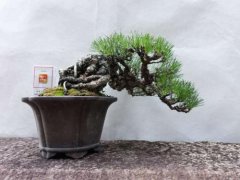
Can Black Pine Be Grown in Red Soil? An Introduction to the Prices of Styled Black Pines and One-Year-Old Black Pine Seedlings
Black pine is a fairly common pine seedling. Do you know that this kind of pine is usually used to make styled bonsai? Do you know how much a styled black pine costs? How much does a one-year-old black pine seedling cost? A one-year-old black pine seedling costs 0.2 yuan each.
-
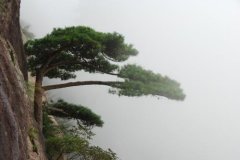
The characteristics of the Huangshan pine are endlessly varied in form; compared with the Japanese black pine, which is better?
The Huangshan pine mainly grows on Mount Huangshan, so it is called the Huangshan pine. What characteristics does the Huangshan pine have? Its most distinctive characteristic is where it grows, generally on mountain tops and beside steep cliffs. The giant pines reach several zhang in height, while the small pines are less than a chi, breaking through rock to grow, with a beauty of form that
-
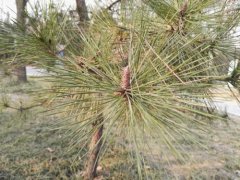
Red Pine vs Black Pine: Which Is Better? A Detailed Guide to Red Pine's Characteristics and Benefits
The red pine (Pinus densiflora) is an evergreen conifer of the genus Pinus in the family Pinaceae. Native to Japan, the red pine lives up to its name: its bark is reddish-brown, its sapwood is white-brown, and its heartwood is light white-brown, with the boundary between the two not easily distinguished clearly. Compared with the black pine (Pinus thunbergii), also known as the male pine, the red pine is also called the female pine.
-

What are the propagation methods for black pine? Learn how to grow seedlings in one article
Black pine is an evergreen tree with grayish-black bark, dark green needles, and a crown that is broadly conical or umbrella-shaped. It can be planted in roads and courtyards for landscaping, and can also be grown as a small potted plant for ornamental viewing. What are the propagation methods for black pine? 1. Propagation methods for black pine
-
How to grow Japanese black pine? Detailed care methods and precautions
Japanese black pine, also called white-bud pine, is evergreen year-round and has strong disease resistance. It can be used for landscaping and also grown as a potted ornamental. So how should you grow Japanese black pine? 1. Japanese black pine is a cold-tolerant and drought-tolerant plant and can be cared for year-round in a courtyard or on a balcony. Plenty of sunlight and
-
A Detailed Guide to the Latest Methods for Making Black Pine Bonsai
Time to make it: The best time to make it is between winter and spring. During this period, the black pine is in a dormant state, which is very favorable for making bonsai, and the success rate is also relatively high, while the possibility of death and damage is also the lowest. If you want to shape it, then you can
-
How to grow a black pine bonsai? A detailed guide to the latest care methods
Watering Before planting, choose soil with good air permeability and drainage, which is good for watering. When the top layer of the potting soil has dried out completely, water thoroughly immediately; in spring and summer, reduce watering appropriately, as this can suppress excessive growth. It does not like soil that is too moist
-
How to Make and Care for a Black Pine Bonsai? A Detailed Guide to the Latest Methods
The black pine (Pinus thunbergii) is an evergreen tree of the genus Pinus in the family Pinaceae. It is native to Japan and the southern coastal regions of Korea, and thrives in warm, humid maritime climates. It grows best in deep, loose, sandy soil rich in humus. It is not only an excellent plant for bonsai, but also in
-
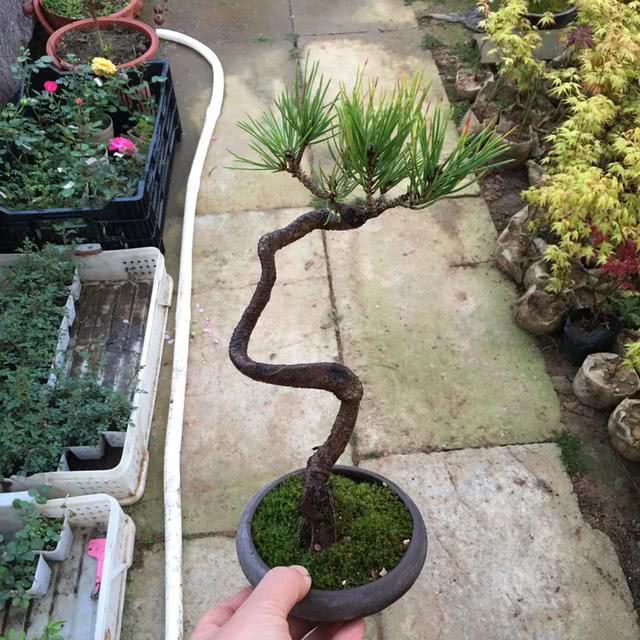
Sanhe black pine bonsai are affordably priced and instantly elevate the style of any home
With their myriad forms and distinctive, interesting character, black pine bonsai placed at home or on an office desk can instantly elevate the vibe; a glance at them when you have a moment brings a sense of calm and joy. Life and work need a note that lets you slow the tempo, and the black pine bonsai is that note...
-
How do you make a black pine bonsai? A master teaches you step by step
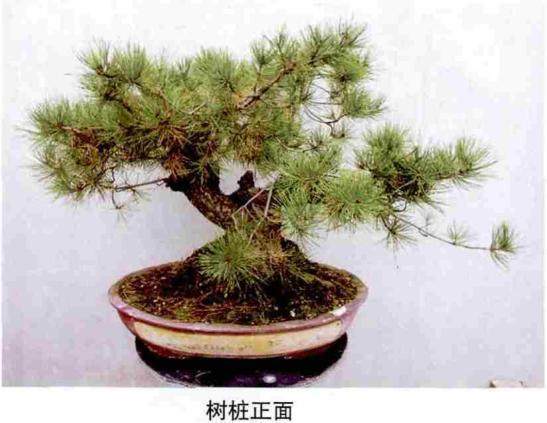
I first got a black pine tree, slanting curved trunk style, and it has been kept for more than two years. The tree shape is chaotic, with a tangled branch on the side, and dense dry branches, becoming fewer and fewer. The plant's roots and trunk are relatively thick, and from the roots upward, the scales are stacked. They are simple yet full of vitality. Preliminary idea: there are multiple branches at the top of the crown, which can be handled by layering. The overall trend of the whole tree is twisting and turning. The upper branches and foliage are mainly "gathered." The lower layer of the upper branches and the upper branches and foliage form a preliminary shape, change the pot (fill the pot with soil), and clean the pot surface into a "scattered" style. The whole tree shape is imposing and can be used as a "cloud type." The upper and lower branches of the rear tree are horizontal and level, and the lower branches have already turned toward the front side, becoming candidate "floating branches." The longer side branches at the upper top can be transferred to the "extension branch" of the trunk for use at the top, and the remaining branches are cut and trimmed into cloud-like side branches.
条件筛选