-

What causes wool biting in Angora rabbits?
Asking for advice: what causes wool biting in Angora rabbits?
-
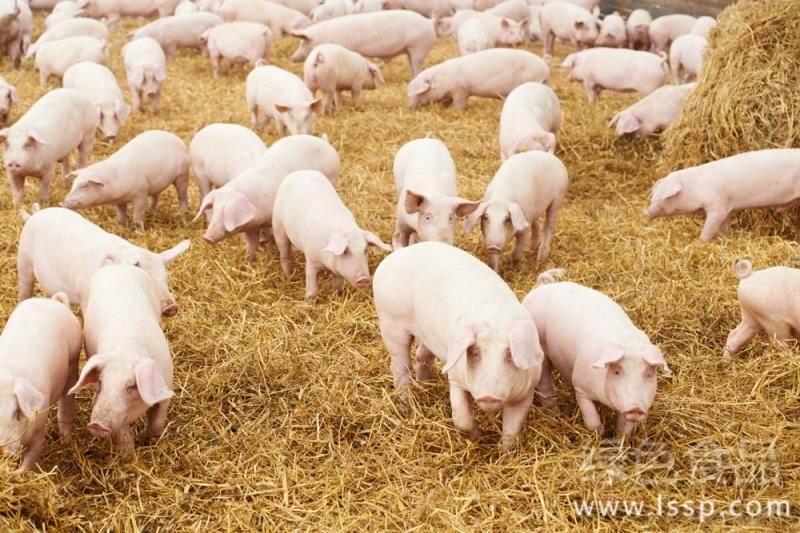
What causes ear biting and tail biting in pigs
What causes the phenomenon of ear biting and tail biting in pigs
-
Why do sows refuse to nurse? Lack of experience and piglets biting the teats are the main reasons
Reasons why sows refuse to nurse - lack of experience and piglets biting the teats
-
A practical case of Bacillus species inhibiting blue-green algae in Yangzhou
Practical case of Bacillus species inhibiting blue-green algae in the Yangzhou area
-
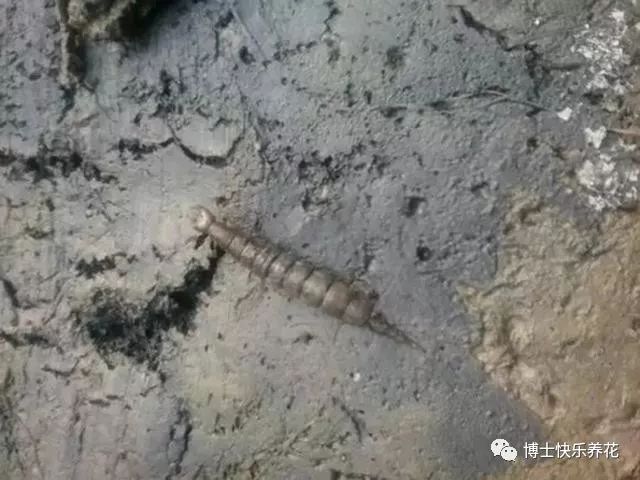
Using this insect as fishing bait is many times better than earthworms, and it specifically solves the problem of fish not biting.
After a whole week of heavy rain, yesterday finally cleared up, I guess! The days of heavy rain left me stuck in the countryside unable to get out, because the only road down the mountain was washed out, so we have to wait until the rain stops before it can be repaired. They say you can't rush repairs during heavy rain, for fear...
-
What are the things to note when exhibiting a Ligustrum bonsai?
Do not strip all the leaves before sending it to the exhibition. Generally, bonsai from the Lingnan region are sent to plant exhibitions with all their leaves stripped off, so that new leaves can grow during the exhibition period. However, this should not be done with a Ligustrum bonsai, because Ligustrum does not have thicker bark, which makes it difficult to absorb water, especially after the leaves are gone.
-
What should be noted when exhibiting a Ligustrum bonsai?
Do not strip all the leaves before sending it to the exhibition. Generally, bonsai from the Lingnan region are sent to plant exhibitions with all their leaves stripped off, so that new leaves can grow during the exhibition period. However, this should not be done with a Ligustrum bonsai, because Ligustrum does not have thicker bark, which makes it difficult to absorb water, especially after the leaves are gone.
-
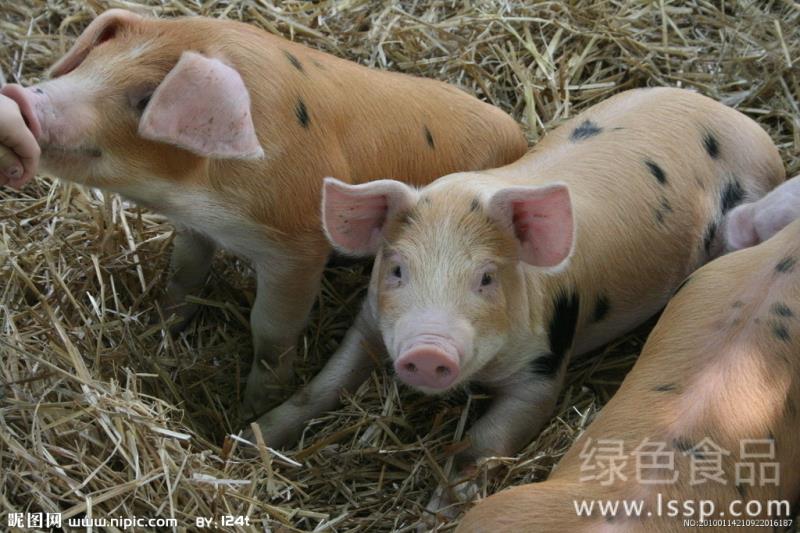
Pig tail-biting severely affects growth; how can it be prevented and treated?
Tail-biting severely affects pig growth; how can pig tail-biting be prevented and treated?
-
A Detailed Explanation of Comprehensive Prevention and Control Methods for Tail Biting in Pigs
Tail biting in pigs is a type of pica, a stress syndrome caused by disorders of nutritional and metabolic function, abnormal taste perception, and improper feeding management. The incidence rate is particularly high from August to December and from January to March, generally occurring in pigs weighing 18-80 kg, with a higher incidence rate in pigs weighing 24-40 kg (12-14 weeks of age). More sows are affected than boars; it is estimated that approximately 4.6% of boars and approximately 3.4% of sows are bitten. I. Causes of the Disease (I) Improper Feeding Management: High stocking density and too many pigs per pen
-
How are the causes of pig biting diagnosed and analyzed?
During pig farming, the phenomenon of pig herd biting (including tail biting) often occurs, especially in lean-type pig herds with fast growth rates where feeding management cannot keep up; wounds become inflamed and ulcerated, affecting pig production and causing great economic losses. Here, the causes of pig herd biting and the solutions are briefly discussed for reference. 1 Causes of pig herd biting 1.1 High stocking density (piglets >3 heads/m2), narrow troughs, frequent conflicts from mutual contact. 1.2 Single
条件筛选