Using this insect as fishing bait is many times better than earthworms, and it specifically solves the problem of fish not biting.
After a whole week of heavy rain, yesterday finally cleared up, I guess! The days of heavy rain left me stuck in the countryside unable to get out, because the only road down the mountain was washed out, so we have to wait until the rain stops before it can be repaired. They say you can't rush repairs during heavy rain, for fear of mudslides causing unnecessary harm. Luckily, the village is on relatively good terrain, a fairly safe zone, so there's no need to panic about disasters caused by the heavy rain, and everyone just stayed put at home. This week really drove me stir-crazy, and I finally waited for the sky to clear, so I had to get out and get some fresh air. I put on a piece of clothing, grabbed the fishing rod I'd brought back before, and set off!
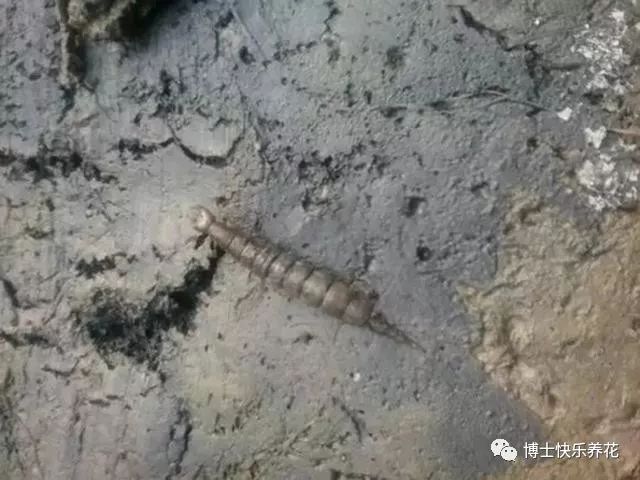
It happened suddenly, and I hadn't prepared any bait in advance. I took some fresh corn thinking I'd try my luck, but after I got there I found there was absolutely no bite. I figured the fish here like meat, and thinking that after the rain there should be plenty of earthworms, I planned to dig some earthworms to fish with. While looking for earthworms, I discovered this kind of insect. In the local dialect it should be called a mud-boring worm, with pincers at the front and a pointed tail. It looks a bit disgusting, but where was I going to dig up earthworms? I'd just barely try using this! I threaded a small hook through the big head of the worm, then exposed the hook, so that the big head of the worm pointed up and the small head kept wriggling below. Once it was in the water, it attracted fish extremely well.
Before long, the fish came over and swallowed it hook and all in one bite. The most amazing thing was that after catching one fish, the bait was still on the hook, so I could keep fishing without changing bait. Soon another fish took the hook, and it was even a double hookup! The effect was really excellent. In the afternoon I caught a lot more of these insects and caught quite a few yellow catfish. This insect looks somewhat similar to cordyceps, and also a bit like a maggot, so it looks a little disgusting. So any angler who wants to use it must have a spirit of not being afraid of getting dirty. Using this kind of insect to fish, people nearby can hardly catch any fish, because all the fish are over here by the insects.
I caught quite a few yellow catfish, and when I was heading back I noticed that one of them had changed color! I'm certain that when it was first caught it was yellow. At the time I was in a hurry to fish, and all I kept catching were yellow catfish, so I didn't pay much attention. But by the time I got home, this fish had actually turned blackish-gray! On closer look, the fish's head was really strange, looking neither like a yellow catfish nor like a bullhead. So what kind of fish is this? Does anyone recognize it?
This article was collected and compiled by the editors of this account. Thanks to the angler for sharing his fishing experience, and more anglers are welcome to message us to share their fishing experiences. The image materials in this article come from angler submissions; if there is any infringement, please contact us for deletion!
This article is reprinted from: Sihai Fishing, images from the internet. If there is any infringement, please contact us for deletion.