Pig tail-biting severely affects growth; how can it be prevented and treated?
1. Create a comfortable environment. Keep the pens dry and well ventilated, pay attention to warmth retention and moisture prevention, and maintain moderate lighting. Reasonably plant greenery around the pens so that the pig house is protected from summer heat and strengthened for warmth in winter. Pig farms should ensure that facilities and equipment for drinking water, feed supply, disinfection, etc. are complete, and should also provide supporting facilities for treating waste, manure, urine, and other waste.
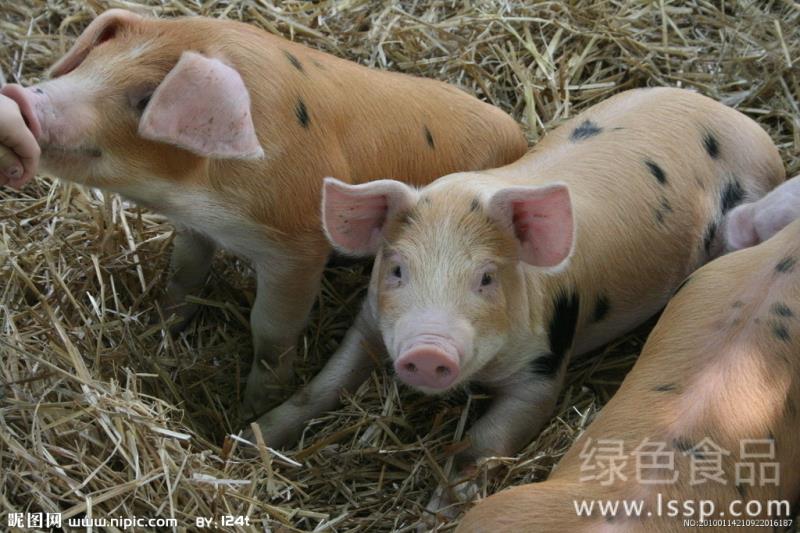
Pig
2. Meet the nutritional needs of pigs. Pig feed nutrition must be comprehensive and the ingredients balanced; feeding moldy or spoiled feed is prohibited, and drinking water must be clean and hygienic; feed troughs and water troughs should be scientifically designed, reasonably laid out, and sufficient in number.
3. Strengthen daily management. Visits are prohibited, and other animals must be prevented from entering; keepers should promptly grasp the pigs' mental state and health condition; feed should be given in fixed amounts, and feed changes should be gradually transitioned.
4. Do a good job of disinfection and preventive vaccination. Regularly clean and disinfect pig pens, and during disinfection, use more than three types of disinfectants in rotation; formulate a scientific and reasonable immunization program, and strictly carry out immunization and vaccination of pigs according to the program and operating procedures.
5. Castrate and dock the tails of pigs early. Castration is best for piglets within 20 days of age; on the day the piglet is born, cut off the tail with blunt-edged shears at about 1 cm from the tail root and apply iodine tincture to the cut end.
6. Deworm regularly. For piglets at 2O-30 days of age, carry out the first deworming; at 60-70 days of age, carry out the second deworming; at 100-110 days of age, carry out the third deworming. Sows should be dewormed once l-2 weeks before farrowing, and breeding boars should be dewormed 2-3 times each year. At the same time, external parasites on the pig body should be removed and mange, etc. should be prevented and treated.
7. Raise pigs with vice habits separately. Pigs with the vice habit of tail biting should be promptly picked out and raised separately, and injured pigs should be promptly isolated; the wound should be washed and disinfected with 0.1% potassium permanganate, then coated with iodine tincture to prevent infection. For severe bites, treat with antibiotics.
8. Treatment. Once tail biting occurs, apply a thick layer of ichthammol ointment to the tails of the bitten pigs; spray 75% alcohol into the nostrils of the whole group of pigs once every 3 hours. Disinfect the pig house with cresol or chlorine-containing disinfectants, spraying once a day; additionally add an appropriate amount of salt and baking soda to the feed and feed continuously for 2—3 days. Note that drinking water must be sufficient, and add electrolytic multivitamins.