-

Analysis of the Causes of Pig Biting and Fighting and Prevention and Control Measures
In recent years, with the continuous development of large-scale pig farming in various regions, under the environment of raising multiple pigs in one pen, the phenomenon of pigs biting and fighting each other is more commonly seen when pigs are first grouped, generally with a higher incidence rate among growing-finishing pigs of 20-40 kg. At first, only a few pigs in the same pen bite and fight each other, mainly biting the head and tail; after being bitten, blood flows out, and pigs develop pica for blood, gradually leading to more pigs biting and fighting each other and more severely. The bitten pigs huddle in corners, have poor appetite, and their weight gain is affected. If severe injuries are
-
Analysis of the Causes of Tail Biting in Pigs and Control Methods
In large-scale, intensive pig production, it is common to see nursery and finishing pig herds develop the bad habit of biting each other's tails. Tail biting in a herd not only increases feed consumption, affects growth and makes management more difficult, but in severe cases can also lead to injury and bacterial infection in the pigs. So what causes tail biting in pigs? Based on summaries, it is related to the following factors: (1) Management factors: (1) insufficient feeding, not enough feeding spaces, unreasonable trough design, etc., causing pigs to go hungry; (2) poor water quality, insufficient or
-
New breakthrough in the treatment of self-biting syndrome in foxes, raccoon dogs and minks
Self-biting syndrome is a common disease of captive fur-bearing animals such as foxes and minks. In recent years, it has occurred in many farms and households in China, causing great economic losses. There had been no specific prevention or treatment measures for this disease, and the key point was that the cause had not been identified. Regarding the cause, people had put forward many hypotheses or claims, but these had not truly served to guide prevention and treatment. Since the early 1990s, researchers have carried out some research work on the cause of the disease. In the course of research and experiments, the cause of self-biting syndrome was identified,
-
Pig tail-biting is related to stress, so how should it be prevented and treated?
In current intensive pig production, the phenomenon of pigs biting each other's tails is fairly common, and it is especially likely to occur in pig herds under production conditions. 1. Stress. In intensive pig production, stressors affecting the normal physiological activities of pigs are increasing day by day. After animals are affected by stressors, immune function can decline, catabolism increases while anabolism decreases, and sexual function becomes disordered; in severe cases, a series of stress syndromes can be caused. Such as pale, soft, exudative pork; dry, hard, dark pork; adult
-
Causes of and Preventive Measures for Pig Biting and Fighting
I. Causes of Pig Biting and Fighting 1. Excessive stocking density: The probability of pigs coming into contact and conflict with each other is also high, and their activity is restricted, which is a trigger for biting and fighting. In addition, pigs have a unique herd-order behavior; after a group of pigs is split into pens, they will initially bite each other, and then establish a clear ranking relationship based on physical strength. If the herd is too large, it is difficult to establish a ranking order, resulting in frequent mutual biting and fighting. 2. Imbalanced feed nutrition: Using non-complete-price feed or feed with an improper nutrient ratio, especially insufficient or improperly proportioned protein, vitamins,
-
What to Do About Tail Biting in Pigs? Detailed Introduction to Prevention and Control Methods
For pig herds with mild tail biting, white liquor or gasoline diluted with water can be sprayed on the herd 1-2 times, which can effectively control the problem; for bitten pigs, the wounds should be promptly cleaned with potassium permanganate solution and coated with iodine tincture to prevent wound infection; for severe bites, antibiotics can be used for treatment.
-
Why do pigs love biting other pigs' butts?
It may be pica. This disease is one of the problems commonly encountered in pig farming, and it occurs frequently, especially in winter and spring when light duration is insufficient and temperatures are low. Improper feeding management, an unsuitable environment, unbalanced feed nutrient supply, disease and metabolic disorders are triggers of this disease. Because of long-term pica, pigs often suffer stunted growth, weight loss and loss of appetite, causing unnecessary economic losses for pig farmers. 1. Clinical symptoms Pigs with pica show tail biting, ear biting, rib biting, navel sucking, especially
-
Using mile-a-minute weed (Mikania micrantha) to make mosquito-repellent incense that drives away biting midges and other mosquitoes, seeking manufacturers for technology transfer
Biting midges, retreat! Mile-a-minute weed (Mikania micrantha) made into mosquito-repellent incense, also effective against other mosquitoes, seeking manufacturers for technology transfer
-
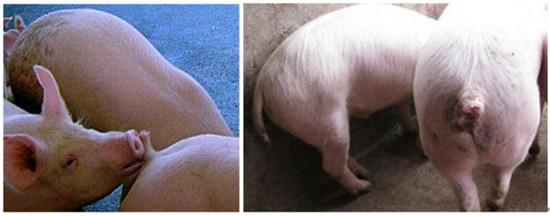
What should be done about tail biting in pigs? An analysis of prevention and control methods for pig farmers
What should we do about tail biting in pigs???
-
条件筛选