-
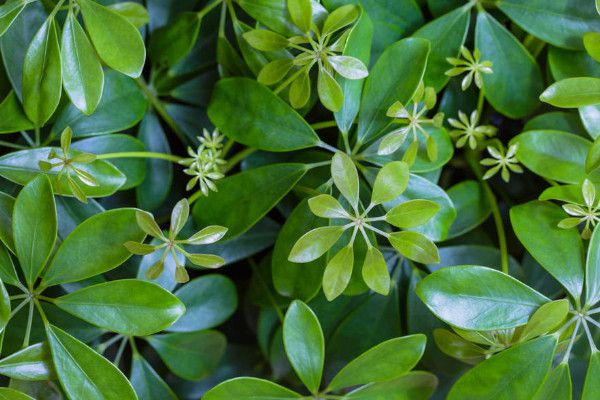
What signs appear before a Schefflera arboricola blooms
Signs that a Schefflera arboricola is blooming
-
-
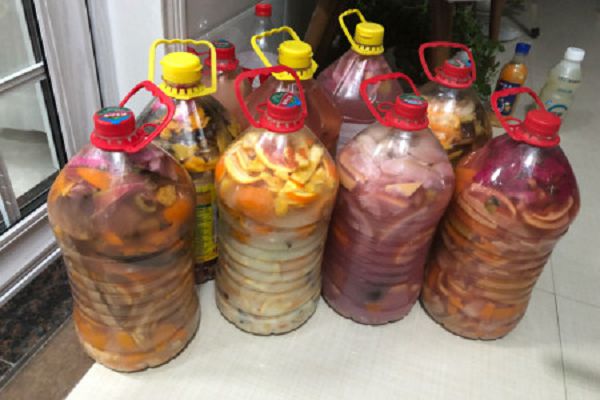
How long does rice water need to ferment before watering flowers, and how to ferment it so it doesn't stink
How long does rice water need to ferment before watering flowers, and how to ferment it so it doesn't stink
-
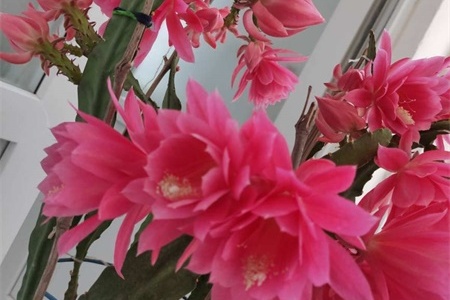
How long should Epiphyllum cuttings dry their roots before potting
How long do Epiphyllum cuttings need to dry their roots
-
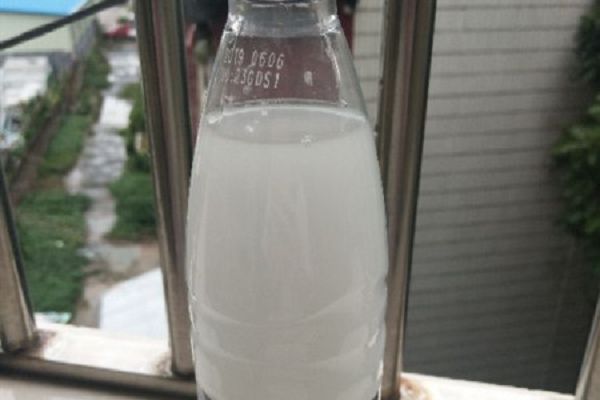
Does rice water need to be fermented before watering flowers? How to tell it is fully fermented
Does rice water need to be fermented before watering flowers, and how do you know when it is fermented well
-
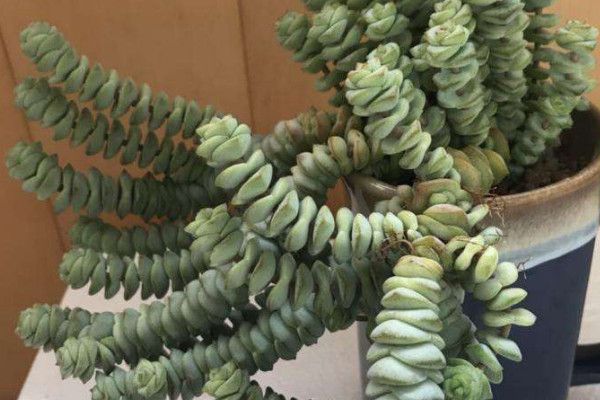
Is the money string plant toxic? Know the facts before you grow it for peace of mind
Is the money string plant toxic?
-

How to distinguish true from false before introducing fragrant flower locust?
Nursery stock identification methods Currently the fake and inferior fragrant flower locust nursery stock sold on the market generally falls into the following four types: (1) Red flower black locust substituted for fragrant flower locust. The red flower black locust and the fragrant flower locust both have papilionaceous purplish-red corollas; the red flower black locust blooms once a year, bears pods, and is grafted using black locust as rootstock. The fragrant flower locust blooms twice a year, does not bear pods, and is propagated from root segments. (2) Aged root stock. Perennial fragrant flower locust root stock, due to aging, has an extremely low germination rate. According to trial plantings, fragrant flower locust root stock over two years old is not suitable for use as planting material, and even less should it be sold on the market
-
What are the seed treatment methods for Korean pine before raising seedlings?
Seed treatment methods for Korean pine before raising seedlings: The seed shell of Korean pine is dense and hard, covered with wax, not easily permeable to water and air, and contains germination-inhibiting substances such as tannins, making it difficult for the embryo to germinate. Therefore, before sowing, the seeds must be subjected to germination-promoting treatment. The commonly used stratification methods are as follows: 1. Open-air overwintering burial method: In autumn, first soak the seeds in cold water for 2 to 3 days, remove them, mix with 2 to 3 times their volume of wet sand, stir evenly, and place in an open-air pit. The pit site should be chosen in a high, dry place with good drainage. The pit depth is 1.2 to 1
-
The correct method for soaking and pre-sprouting black locust seeds before sowing
The method for soaking and pre-sprouting black locust seeds is as follows: the seed coat of black locust is thick and hard, and soaking softens the seed coat so that the seeds absorb water in advance and swell. For pre-sprouting, mix the swollen seeds with moist sand at a specified volume ratio of 3 parts sand to 1 part seeds, and place the mixture in a sunny, sheltered spot to sprout. To prevent the seeds from becoming sticky and spoiling, turn the mixture several times a day. After 4 to 5 days, when one third of the seeds have split open and shown white, take them out and sow.
-

Is the Dumb Cane (Dieffenbachia) Poisonous? Learn About Its Toxicity Before You Grow It for Peace of Mind
Is the Dumb Cane Poisonous?
条件筛选