-

Key Beekeeping Techniques for Chinese Honey Bees Building Comb
Chinese honey bees love new comb and dislike old comb. When keeping Chinese honey bees, be sure to seize the right moment to build new comb, so that new comb is used year-round. For Chinese honey bees to build comb, pay attention to the following st...
-

Beekeeping Techniques: How to Replace the Queen Twice a Year
In southern Anhui, spring breeding begins in early to mid-January and ends in mid-to-late October after wintering bees are raised. The breeding period lasts as long as 10 months, and the queen is prone to aging, especially after the high-temperature summer period...
-

Beekeeping Techniques for Spring Colony Buildup: How to Cultivate Strong Colonies
For beekeeping, the whole year depends on spring; spring buildup management is the key. With strong colonies in early spring, a full year's harvest holds promise. In fine weather, royal jelly, honey and pollen all see high yields and a bumper harvest; in wet weather...
-

-

Beekeeping Techniques and Detailed Explanation of Fifty Beekeeping Terms
1. Beekeeping science: a discipline that studies and analyzes various insects of the genus Apis, mainly including honey bee biology, honey bee breeding, nectar and pollen source plant science, hone...
-
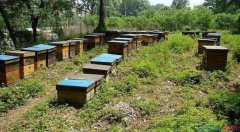
Introduction to Model Beekeeping with the Chinese Honeybee: Beekeeping Techniques Teach You How to Keep Bees
What is model beekeeping like? How good is this beekeeping method? How exactly is model beekeeping done? Let's take a look together. Model beekeeping is currently the most advanced beekeeping technique in China. Model beekeeping saves manpower and material resources, builds strong colonies that do not swarm, and the bees have a particularly strong resistance to wax moths. When the queen's egg-laying ability declines, natural supersedure occurs on its own without human intervention; usually two queens lay eggs in the same hive, rapidly strengthening the colony, greatly increasing honey production, several times or even more than ten times higher than conventional rearing methods.
-
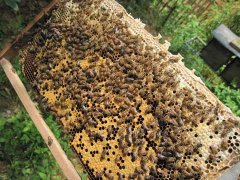
Introduction to Bee Keeping Techniques and Common Types of Pests
Bee keeping also requires attention to the harm caused by pests. Bee pests include bee species, bee lice flies, and wax moths that damage the wax of brood combs. Bee enemies include toads, spiders, and hornets. Let's take a look below. Toads: Toads mostly appear in summer
-
A Detailed Guide to Practical Techniques for Getting Started with Chinese Honey Bee Beekeeping
The Chinese honey bee, also called the native bee or Chinese bee, is a breed unique to our country, with advantages such as strong foraging ability, relatively high utilization rate, a long honey-gathering period, and strong adaptability and resistance to mites and diseases, making it deeply loved by beekeepers. Below, we will explain the practical techniques for getting started with Chinese honey bee beekeeping.
-
A Detailed Guide to Beekeeping Techniques: Methods for Strengthening Bee Colony Management
Abstract Beekeeping site: high terrain with an adequate supply of clean water, and it must be far from urban areas and factories. Choice of bee species: it is best to choose local bee species, and mixed rearing should be avoided so as not to make the honey impure; the number of combs must be controlled. Beekeeping tools: including movable-frame beehives, bee hats
-
Analysis of Native Honey Prices Before the 2020 Chinese New Year, Beekeeping Techniques and Cost
Among the many tonic foods, honey should count as a relatively common agricultural product with few dietary restrictions, and native honey is especially popular. So do you know how much a jin of native honey cost before the 2020 Chinese New Year? What are the techniques for keeping bees? Cost
条件筛选