Beekeeping Techniques and Detailed Explanation of Fifty Beekeeping Terms
1. Beekeeping science: a discipline that studies and analyzes various insects of the genus Apis, mainly including honey bee biology, honey bee breeding, nectar and pollen source plant science, honey bee protection, honey bee equipment science, bee product analysis and processing, and honey bee feeding and management.
2. Beekeeping industry: a production sector that utilizes honey bees to obtain bee products and provides pollination for crops to promote agricultural yield increases.
3. Nectar source plants: plants that can secrete nectar or pollen and can be collected and utilized by honey bees.
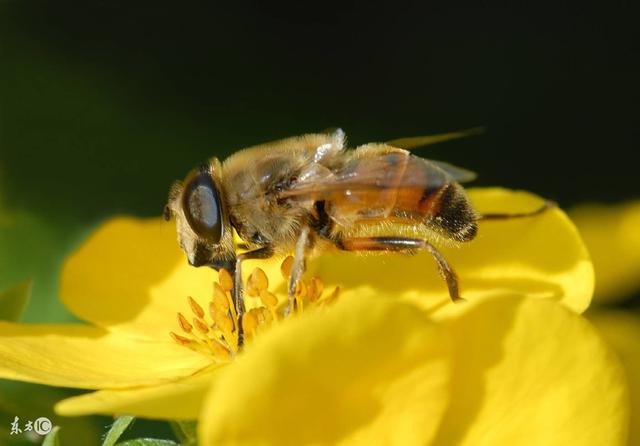
4. Pollen source plants: plants that can produce pollen for honey bees to collect.
5. Nectar and pollen sources: the primary condition for beekeeping production and the material basis of beekeeping production.
6. Nectar: Nectar is the secretion of the floral nectary. When a plant blooms, part of the organic matter stored in the plant body is transported to the flower parts and converted into sugary juice stored in the nectary. Under suitable temperature and humidity conditions, the sugary juice passes through the nectary epidermis and is secreted outside the nectary, forming nectar.
7. Nectary: an exocrine tissue on the plant body that secretes nectar, usually composed of one to several layers of secretory cell groups or formed by specialization of epidermal cells, located at the base of the pistil, stamens, petals, and calyx of the flower or on the receptacle.
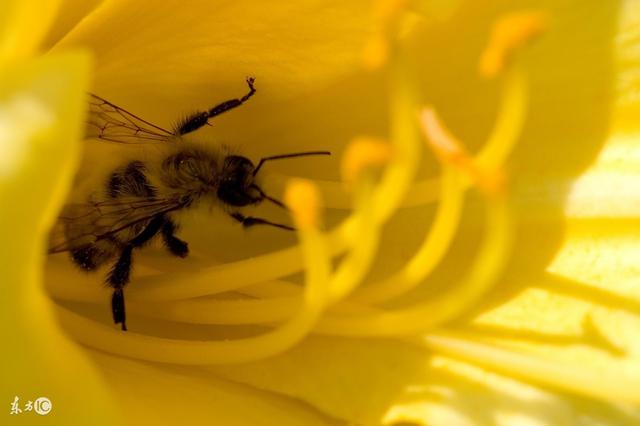
8. Pollen: produced in the anther, it is the male reproductive cell of the plant. Pollen develops from plant sporogenous cells into microspores and then develops into mature pollen.
9. Major nectar source plants: nectar source plants with a long flowering period, large quantity, and large area that can not only provide for the reproduction needs of honey bees but also produce marketable honey.
10. Honey bee dances: regular movements on the comb, a behavior in which worker bees swing their bodies in a certain way to express certain information.
11. Honey bee breeds: There are many honey bee breeds. Honey bee breeds are actually the natural breeds or geographical breeds of honey bees, that is, subspecies formed by long-term natural selection due to geographical isolation when the same species of honey bee is distributed in different geographical regions.
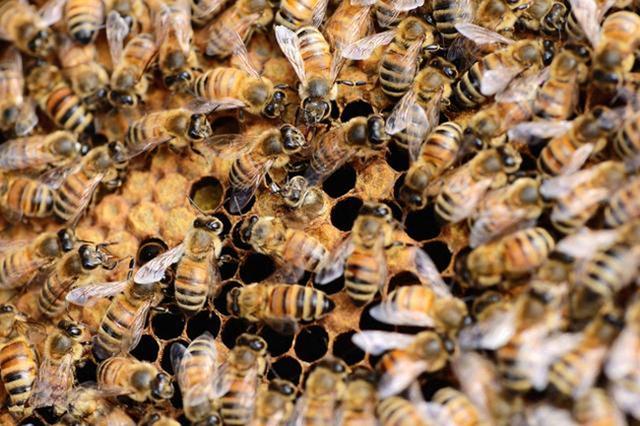
12. Chinese honey bee: The Chinese honey bee (Apis cerana), also known as the Chinese bee, Chinese honey bee, and native bee, is a subspecies of the Eastern honey bee and a honey bee breed unique to China. It is the main pollinating insect of forest communities dominated by mixed broadleaf trees and traditional agriculture. It has advantages that the Italian bee cannot match, such as utilizing scattered nectar source plants, strong collecting ability, high utilization rate, long honey collection period, strong adaptability, strong resistance to mites and diseases, and low feed consumption, making it very suitable for fixed-location beekeeping in mountainous areas of China.
13. Italian bee: The Italian bee is a breed of the Western honey bee, abbreviated as Italian bee. Scientific name Apis mellifera Ligustica Spinola. It originated on the Apennine Peninsula of Italy. The characteristics of the Mediterranean climate and nectar source conditions in its place of origin are: short, warm, and humid winters; hot and dry summers with a long flowering period. Under natural conditions similar to the above, the Italian bee can show good economic traits; in places with long and severe winters and frequent cold waves in spring, its adaptability is poor.
14. Honey bee biology: a science specifically studying the laws of honey bee life activities, including colony composition, honey bee morphology and physiology, honey bee behavior, and honey bee ecology.
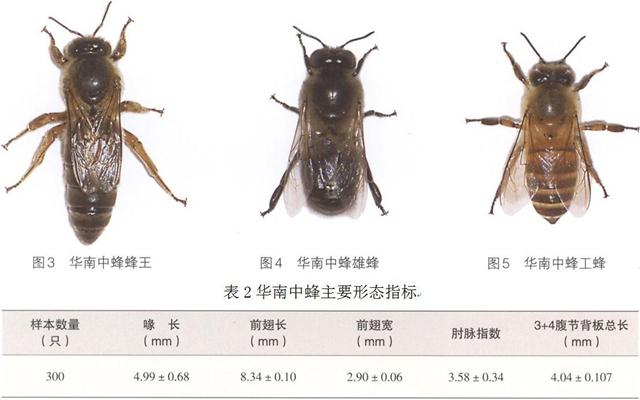
15. Three types of bees: A colony is usually composed of three types of bee individuals of two sexes, namely the queen bee, worker bees, and drones. These three types of bees are collectively called the "three types of bees" in beekeeping science.
16. Indoor bees: young bees and adolescent bees mainly engage in work inside the hive and are called indoor bees.
17. Field bees: mature bees and old bees engage in collection work outside the hive and are called field bees.
18. Colony: a group composed of one queen bee, tens of thousands of worker bees, and varying numbers of drones.
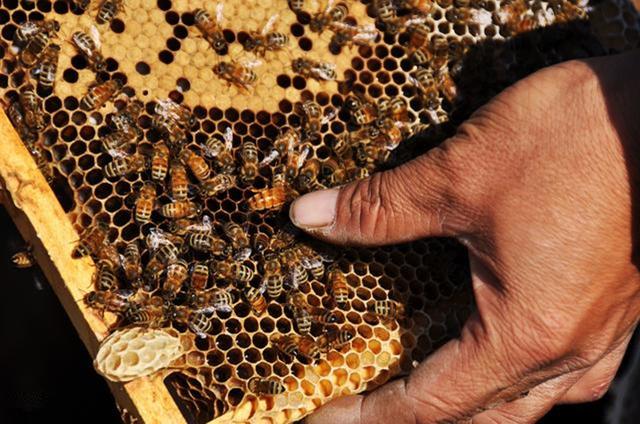
19. Colony strength: refers to the number of worker bees in a colony. It is an indicator reflecting the reproductive capacity and productivity of the colony, measured in frames.
20. Strong colony: a colony with strong colony strength is called a "strong colony." A strong colony is the foundation for high quality and high yield in beekeeping. The main factors affecting colony strength include the queen's egg-laying capacity, the colony's nursing capacity, the vitality of worker bees, and the swarming tendency of the colony. In addition, with changes in external climate and nectar and pollen sources, colony strength also undergoes periodic changes.
21. Insemination: the process in which the drone fixes the endophallus and genital opening at the opening of the queen's lateral copulatory pouch and vaginal opening and transfers semen into the queen's vagina.
22. Virgin queen: during the period from when the queen emerges from the cell until mating, the queen is called a virgin queen.
23. Orientation flight: worker bees around 18 days old make orientation flights, with their heads facing the hive, flying around the hive entrance, now up and now down, now left and now right, to orient themselves.
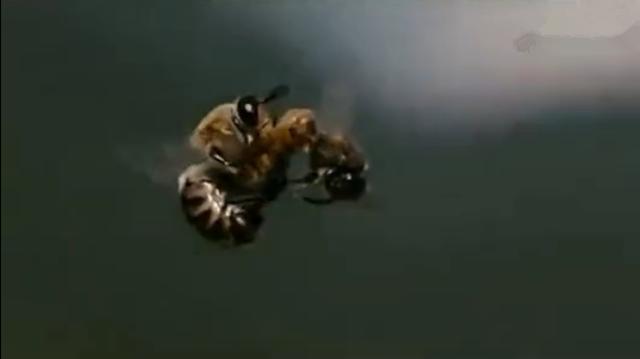
24. Mating flight: on a clear day with suitable temperature, the process in which the queen flies out of the hive to mate with drones.
25. Drone puberty: drones develop from unfertilized eggs. The food quality of drone larvae is similar to that of worker larvae, but the quantity is 3 to 4 times greater, so both drone larvae and adults are larger than worker bees. Between 12 and 27 days after drones emerge from their cells is the most suitable period for drone mating, called "drone puberty."
26. Spring dwindle: if a colony is too weak after overwintering or lacks sufficient nutrition, causing a large number of overwintering bees to die, it will affect the colony's development speed. This phenomenon is called "spring dwindle" in beekeeping.
27. Bee space: bee space refers to the space in the hive for bees to pass through and for air circulation. In the hive, it is the gap between combs, and between combs and other parts of the hive.
28. Frame: a frame is composed of a top bar, bottom bar, and side bars, used to support, fix, and protect the comb. Its shape, size, and quantity play a decisive role in hive design.
29. Foundation: artificially manufactured cell bases for honey bee comb cells, the foundation on which bees build comb.
30. Natural swarming: the phenomenon in which a colony automatically divides into two or more colonies when nectar sources are abundant, the climate is suitable, and the colony is strong.
31. Swarming fever: if a colony begins preparing to swarm, worker bees reduce feeding of the queen, forcing the queen to reduce egg laying. At the same time, the colony also reduces collection and comb-building activities, causing the entire colony to be in a state of reduced work. This phenomenon is called "swarming fever."
32. Colony drift: the phenomenon in which some bees enter a certain colony in a relatively concentrated way because they mistake the hive.
33. Colony absconding: the phenomenon in which an entire colony leaves the hive and flies away.
34. Mating nucleus: a colony specially provided for the life of a virgin queen. In order to provide more queens for mating, the colony strength of mating nuclei is often very small, especially specialized mating nuclei.
35. Adjustment of the hive: adjusting the hive means reasonably changing the positions of combs within the colony. Its purpose is to reasonably control the queen's egg laying, provide good conditions for the development of brood in the hive, and help increase the yield of bee products.
36. Robber bees of a colony: the phenomenon in seasons when nectar and pollen sources are scarce in which worker bees of some colonies enter other colonies to carry away stored honey, or a group of bees at the apiary seizes the stored honey in another colony's hive.
37. Worker bee egg laying: the phenomenon in which a small number of worker bees lay eggs when a colony has no queen or the queen is aged.
38. Migratory beekeeping of honey bees: also called migratory bee placement, a beekeeping production method commonly used by professional beekeepers, in which bees are transported to sites with abundant nectar and pollen sources several hundred to over a thousand kilometers away for beekeeping production.
39. Artificial queen rearing: worker larvae or fertilized eggs within 3 days of age are transplanted into the cell cups of a queen-rearing frame, and then the queen-rearing frame is placed into a queen-rearing colony for worker bees to nurse. Before the queen emerges from the cell, the queen-rearing frame is removed, and mature queen cells are distributed to mating nuclei. Artificial queen rearing must be carried out in seasons when the external climate is warm and nectar and pollen sources are abundant.
40. Selective breeding of honey bees: a breeding method based on the hereditary and variation characteristics of honey bees, through selection and reproduction, continuously expanding, accumulating, and strengthening certain beneficial variations produced in honey bee populations by natural selection or gene recombination, and developing these beneficial variations in the direction of the same variation type.
41. Crossbreeding of honey bees: a new variety cultivation effort using hybridization technology to obtain hybrids of new variation types from two or more breeds through the combination of gametes of different genotypes, and through breeding methods to select and fix traits of the hybrids in order to obtain new breed types.
42. Scattered brood: after honey bee larvae become diseased, they are often cleared out of the cells by indoor bees, while healthy larvae develop normally, and the queen lays eggs again in the cleared empty cells, resulting in different developmental ages on the same sealed brood comb. This condition is called "scattered brood."
43. Honey extraction: placing uncapped honeycombs in a specific device and rotating them, using the centrifugal force generated to separate the honey.
44. Honey: a sweet substance stored in the comb after honey bees collect nectar and fully ripen it.
45. Propolis: a gum-like substance processed by worker bees from tree gum and resin collected from the buds and trunks of certain plants, mixed with mandibular gland secretions and beeswax.
46. Bee venom: a yellow transparent liquid secreted by the venom gland and accessory venom gland of worker bees, bitter in taste and aromatic, stored in the venom sac and discharged through the sting when stinging.
47. Extracted honey: honey separated from the comb by placing the comb in an extractor and using centrifugal action.
48. Comb honey: honeycomb that has been ripened by honey bees and sealed with a wax cap.
49. Bee pollen: plant male gametes collected by honey bees from pollen source plants, one of the main foods of honey bees. The protein and amino acid nutrition needed for honey bee growth and development is provided by pollen.
50. Royal jelly: a milky white or pale yellow, slightly sweet and sour-astringent paste-like substance secreted by the royal jelly glands in the head of honey bees. It is a food used by worker bees to feed honey bee larvae and the queen, also known as bee milk.
Beekeeping Techniques: Non-infectious Diseases and Poisoning of Honey Bees
Chinese Honey Bee Beekeeping Techniques: Crossbreeding to Cultivate Queen Bees
Bee Leadership: Biological Characteristics of Colonies with Different Colony Strengths
Beekeeping Techniques: Detailed Explanation of Swarming (Part 2)