Beekeeping Techniques for Spring Colony Buildup: How to Cultivate Strong Colonies
For beekeeping, the whole year depends on spring; spring buildup management is the key. With strong colonies in early spring, a full year's harvest holds promise. In fine weather, royal jelly, honey and pollen all see high yields and a bumper harvest; in rainy weather, royal jelly can also yield well.
Mastering the techniques for keeping strong colonies to achieve high yields, and firmly relying on raising the output and quality of bee products to increase income and strengthen the economic power of the apiary, is the model anticipated for the healthy development of China's entire beekeeping industry.
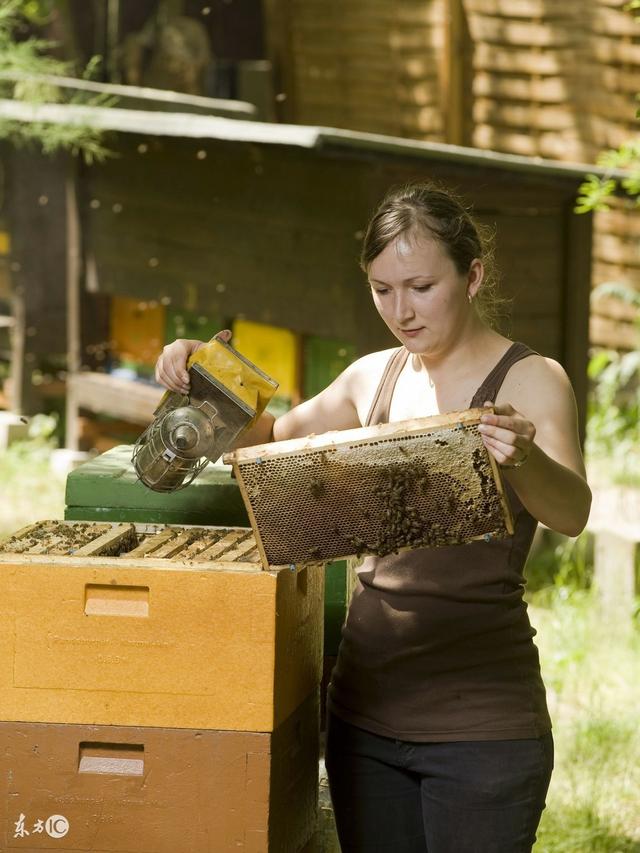
1. Adding combs and expanding the nest at the right time
To build strong colonies from the start of spring buildup, the same method of colony propagation is used in both the south and the north: when compressing the combs, each queen is confined to a single frame, the so-called "single-comb spring start." During early spring buildup, because there is no natural pollen available outside for foraging, workers secrete less royal jelly and feed the queen less, so the queen lays fewer eggs. Therefore, early spring buildup requires artificially supplementing the bees with pollen; once workers eat fresh artificial pollen they immediately become excited and actively secrete royal jelly to feed the queen, prompting her to lay more eggs and lay them faster.
For the first frame at the start of buildup, a corner pollen comb containing artificial pollen should be added to stimulate laying, with space left in the middle for the queen to lay. For colonies undergoing spring buildup in the south, where temperatures are suitable and natural pollen is coming in, with a good bee population the queen lays quickly; when nurse bees have plenty of jelly for feeding larvae, combs can be added a little faster.
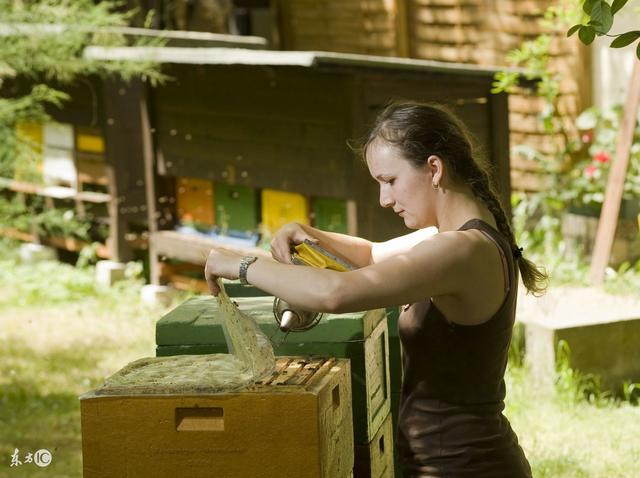
In areas where spring buildup is often affected by cold air, the second frame should be added only after the first brood frame is capped; the third frame should be added after the second is capped; by the time the third frame is capped, new bees have been emerging one after another and workers increase day by day. At this point, as temperatures rise and a small amount of mixed pollen comes in from outside, once the three frames of capped brood have emerged, combs can be added until the hive is full. After that, if nurse bees have plenty of jelly for feeding larvae, one pollen comb or empty comb can be added every three to four days.
Genuine in-stock 2014 Practical Beekeeping Techniques, The Complete Guide to Beekeeping Techniques, Beekeeping Technique Books, Scientific Bee Keeping Tutorial Books
For spring buildup with a single queen, or preferably around 50% with double-queen colonies, when each hive averages 9-10 frames, stop adding combs for 7-10 days; when the worker population becomes large and crowded, add an empty super, and lift up capped brood combs. Those wanting to split colonies heavily can lift up more; apiaries not wanting to increase colony numbers can also appropriately control the queen's egg laying. At the start of the honey flow, more new combs should be built so the queen can lay heavily, which both raises the workers' enthusiasm for gathering nectar and pollen and helps avoid swarming fever.
During the main honey flow, the brood box should be expanded to 7 frames for a single queen and 8 frames for double queens. Nowadays bees are transported with the entrance open; colony strength need not be feared as too strong, but note that during transport it is best not to have more than 5-6 frames in the super, and extra combs are safer removed from the hive for transport.
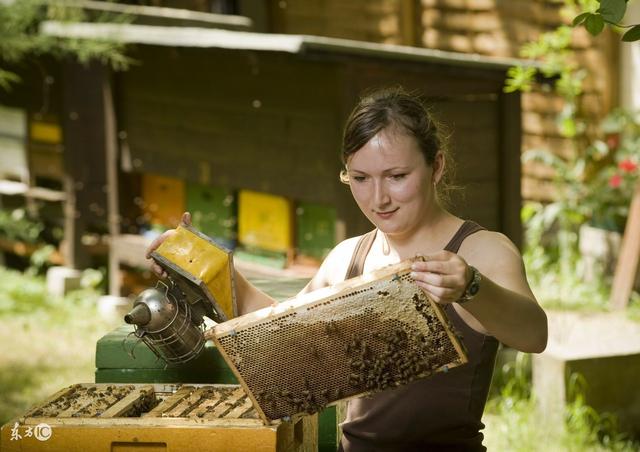
2. Supplement protein feed to strengthen the bees' constitution.
In apiaries with poor spring propagation, most cases involve the brood area of the first 1-4 frames not expanding; the second frame was added hastily before the first was capped, and when cold air arrives and northwesterly airflow takes control, larvae dry up in their jelly and large numbers are dragged out. If spring buildup encounters several episodes of larvae drying up and being dragged out, strong colonies cannot be built. For example, during spring buildup, northwesterly airflow brings a sudden temperature drop, larvae dry up and are dragged out.
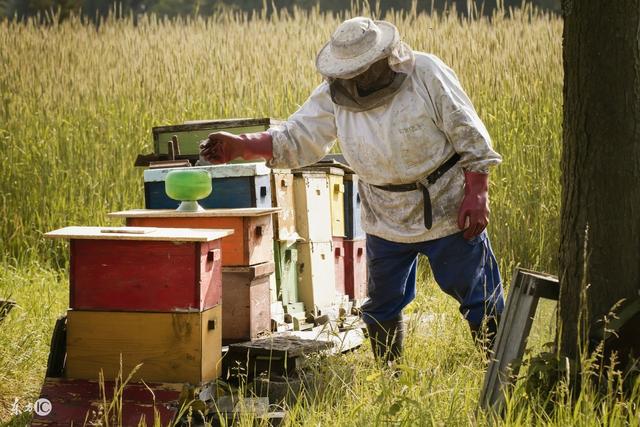
Whenever northwesterly airflow arrives, even strong colonies with a crowded bee population and plenty of pollen and honey will have larvae dry up and be dragged out. At this time nurse bees should be given protein supplementation; feeding colonies with eggs is a cheap and excellent way to supplement protein. Add 1 egg per kilogram of syrup, and after three consecutive days of feeding there will be marked improvement.
Spring buildup must ensure nurse bees have plenty of jelly for feeding larvae; then the new bees reared will have long lifespans and can gather honey at high yields. So whenever northwesterly airflow brings a sudden cold snap, the colony must be given protein nutrition. Colonies with a strong constitution will not be infected with crawling bee disease during the major rapeseed honey flow, which can avoid the use of medication during the production period; this has important practical significance for producing pollution-free bee products.
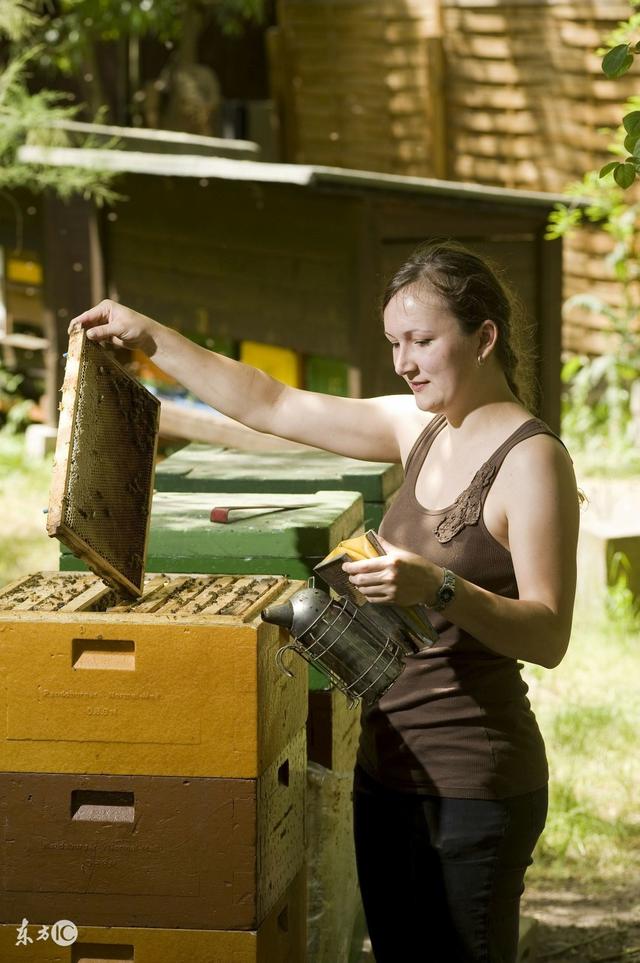
3. Do a good job of spring buildup to keep strong colonies.
If a colony's strength is not very strong during the first rapeseed honey source period and each colony's bee weight is under 5 kg, the apiary should focus on propagation and not rush for harvest. During the full bloom of rapeseed, natural nectar and pollen are abundant and temperatures are suitable, making it a great season for colony propagation. Add one frame of new foundation every 3 days; by the end of the rapeseed period they will all have become capped brood frames. Counting each capped brood frame at 25 yuan, raising 4 extra brood frames per colony is worth 100 yuan, which benefits the harvest of the next flowering period.
The Complete Guide to Efficient Beekeeping Techniques + Efficient Beekeeping + Practical Beekeeping Techniques [Complete 3-Volume Set] Beekeeping Techniques, Bee Farming
During the main honey flow, a colony can both gather honey and rear brood without neglecting either. By day, workers do not stay in the hive to feed larvae instead of foraging; adult workers busily gather nectar and pollen by day and nurse larvae by night. Indoor duties are handled busily by young bees; young bees have no nursing ability, so during the day the jelly is slowly consumed by the larvae. If you observe the brood combs in the afternoon, the larval jelly will be somewhat dried up.
After a night of nursing by adult bees, the next morning the larval jelly is again plentiful. This situation is like a mother raising an infant: when the mother comes home from threshing wheat in the field, the child is hungry and crying on the bed, and a heavy rain is about to fall, so the wheat spread on the drying yard by the door will get soaked or even washed away. The mother will surely gather the wheat first, then come back to nurse the child. During the main honey flow, raising one extra brood frame merely consumes 1 kg more honey, yet the increase in honey output far exceeds 1 kg.
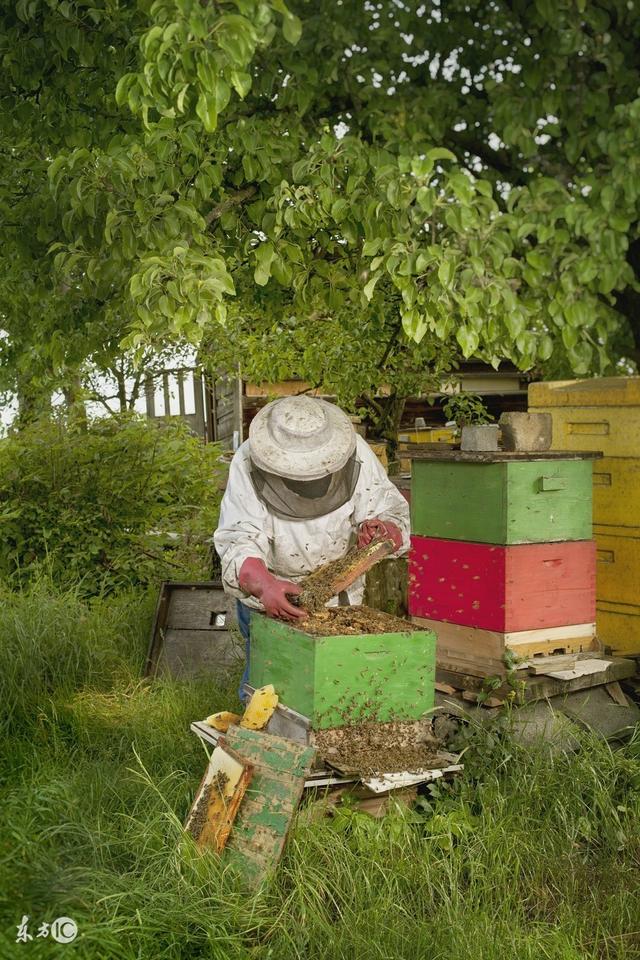
4. Techniques for high yields from strong colonies.
Many beekeepers, once the full bloom arrives, adopt the practice of "killing the hen to get the eggs." They believe that if the queen lays too many eggs, the bees will have to tend the larvae and not go out to gather nectar, and so they cling to the mistaken idea that heavy colony propagation will reduce honey output and that controlling the queen's laying will let workers gather more nectar.
In fact, only by rearing strong colonies in early spring, with a large foraging force, can a bumper harvest be achieved during a honey source period with fine weather. Those apiaries that control the queen's laying not only fail to get high honey yields but also fail to build strong colonies. To achieve high honey yields, emerging brood combs must not be used to store honey; each colony's super must retain 4 empty combs for the bees to store honey. Using empty combs yields far more honey than using emerging brood combs.
In spring, single-queen colonies can mostly produce 8-9 frames of brood. During the main honey flow, some apiaries control the queen's laying to 5-6 frames and lift the emerging brood combs into the super, but workers are unwilling to store honey in the emerging brood combs in the super; they still leave the central brood circle empty waiting for the queen to lay. Yet between the brood box and the super there is a queen excluder, so the queen simply cannot climb up into the super to lay.
In apiaries that severely control the queen's laying, using only 3-4 frames for laying, the super has especially many fat wax combs. Because workers leave a laying circle in the middle of the comb, there is not enough space to store honey, so the honey-circle cells are built up very high by the workers, producing the "fat comb" phenomenon.
Strong-colony apiaries, in the early stage of the honey flow, appropriately control the queen's laying for about 10 days; entering the main honey flow, they build more new combs to let the queen lay heavily, which can raise the workers' enthusiasm for gathering nectar. We should keep single-queen colonies laying on 7 frames long-term and double-queen colonies on 8 frames; take one frame of newly capped larval brood from the middle of the brood box and place it in the super beside the royal jelly frame, replacing it every 10 days, which benefits high royal jelly yields.
Genuine The Complete Guide to Efficient Beekeeping Techniques, The Complete Knowledge of Efficient Beekeeping Books, Practical Beekeeping Techniques Tutorial Books, Bee Farming
Some beekeepers, in order to produce more beeswax, cut the fat combs every time they harvest honey; this practice also greatly reduces honey output. Cutting 1 kg of fat wax during the main honey flow means gathering several kilograms less honey, a loss that outweighs the gain. In the early stage of the honey flow, let workers slowly build the honey comb cells higher, that is, into fat combs; then one comb can hold two frames' worth of honey. Each comb can store 2-3 kg of honey each time, so not too many honey-storage combs are needed.
With many combs and little honey, our honey-extracting workload is greater, and after extraction the bees' work of cleaning the combs is also greater. Each time honey is extracted, avoid damaging the fat combs; damaged parts should be cut flat, or the bees will increase their workload repairing the honey combs and this will affect honey output. In short, cutting fat wax during the main honey flow is not worthwhile. For each honey source, it is best to cut the fat combs flat when preparing and binding up for transport out.
Beekeeping Techniques: Causes and Prevention of Overwintering Deaths
Beekeeping Techniques: Summary of Outside-Hive Observations (Part 2)
Beekeeping Techniques: Management of Double-Queen Colonies in Brood Boxes and Brood-Super Boxes
Chinese Bee Keeping Techniques: Illustrated Artificial Queen Rearing
Beekeeping Techniques: The Temperature-Regulation Principle of Honey Combs
Beekeeping Techniques: Several Behavioral Signals of Chinese Bees
Beekeeping Techniques: Biological Habits of Worker Bees
Beekeeping Techniques: Natural Queen Cell Queen-Rearing Method
Beekeeping Techniques: Spring Management Video
Beekeeping Techniques: Colony Merging Video
Beekeeping Techniques: Bee Habits Video
Beekeeping Techniques: Colony Selection Video