-

-
How can cotton be given base fertilizer skillfully to increase yield?
For base fertilizer in cotton fields, first, apply more organic fertilizers of various kinds, or bio-organic compound fertilizers; second, achieve formula fertilization and balanced fertilization, applying nitrogen, phosphorus and potassium in a ratio of 3:1:3; third, for insect-resistant cotton, apply more potassium fertilizer, with no less than 15 kg per mu as base fertilizer, plus 0.5-0.7 kg of zinc fertilizer and 0.4 kg of Chilibor; fourth, apply fertilizer in an appropriate amount, and do not blindly pursue quantity; applying 25-30 kg per mu of high-content ternary compound fertilizer is sufficient; fifth, change broadcast application to furrow application or hole application, and the cotton seedling roots should maintain
-
How to apply base fertilizer in autumn? Master these technical points
I. Benefits of applying base fertilizer in autumn The time for applying base fertilizer in autumn is generally September-October in autumn. This is because this is a growth peak of the root system, wounded roots heal easily, and the level of nutrient reserves can be increased. In addition, at this time the temperature is high, the soil temperature is suitable, which is beneficial to microbial reproduction, beneficial to the decomposition of organic fertilizer and root absorption, increases the utilization rate of fertilizer, increases stress resistance, especially cold resistance, and helps flower buds continue to differentiate and become plump. Through full decomposition in winter, organic fertilizer can meet the nutrients needed for germination, flowering, shoot growth,
-
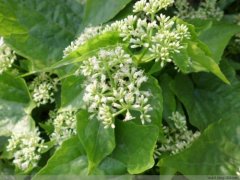
Big and plump strawberries grown with mile-a-minute weed biochar-based fertilizer and vinegar liquid
Mile-a-minute weed biochar combined with vinegar liquid produces big and plump strawberries. Want to learn how? Then read the introduction below. Huang Ying-pin, senior researcher at the Ecosystem Technology Laboratory of the Central Branch of the Industrial Technology Research Institute, says that mile-a-minute weed (Mikania micrantha) is native to Central and South America, harms crop growth, is known abroad as the "mile-a-minute weed", and is also regarded as the "green cancer" of the plant world. Mile-a-minute weed spreads rapidly in Taiwan, China, and is a plant that forestry units want to eradicate as quickly as possible, but it is not entirely useless. Research has shown that mile-a-minute weed is rich in micropores and is a very good charcoal material, which can be converted into "biochar" and "vinegar liquid" through carbonization technology; biochar can be used for soil improvement, and combined with vinegar liquid it becomes a pest and disease control agent or a plant growth promoter.
-

How to fertilize stock (Matthiola incana)? Base fertilizer and NPK fertilizer are both indispensable
More and more people choose to grow stock (Matthiola incana) at home, so fertilization has become a question many people are considering. Improper fertilization can cause the leaves of stock to turn yellow, so what exactly is the correct way to fertilize stock? Let me give you the detailed answer
-

How to fertilize amaryllis? Base fertilizer and phosphorus-potassium fertilizer are both indispensable
We once emphasized in the amaryllis growing methods that fertilizing is very important. Too little fertilizer will affect the flowering time and may even prevent blooming, while too much fertilizer will cause weak plant growth. So how should amaryllis be fertilized more scientifically? What fertilizer is best for amaryllis? Let me tell you the answer.
-
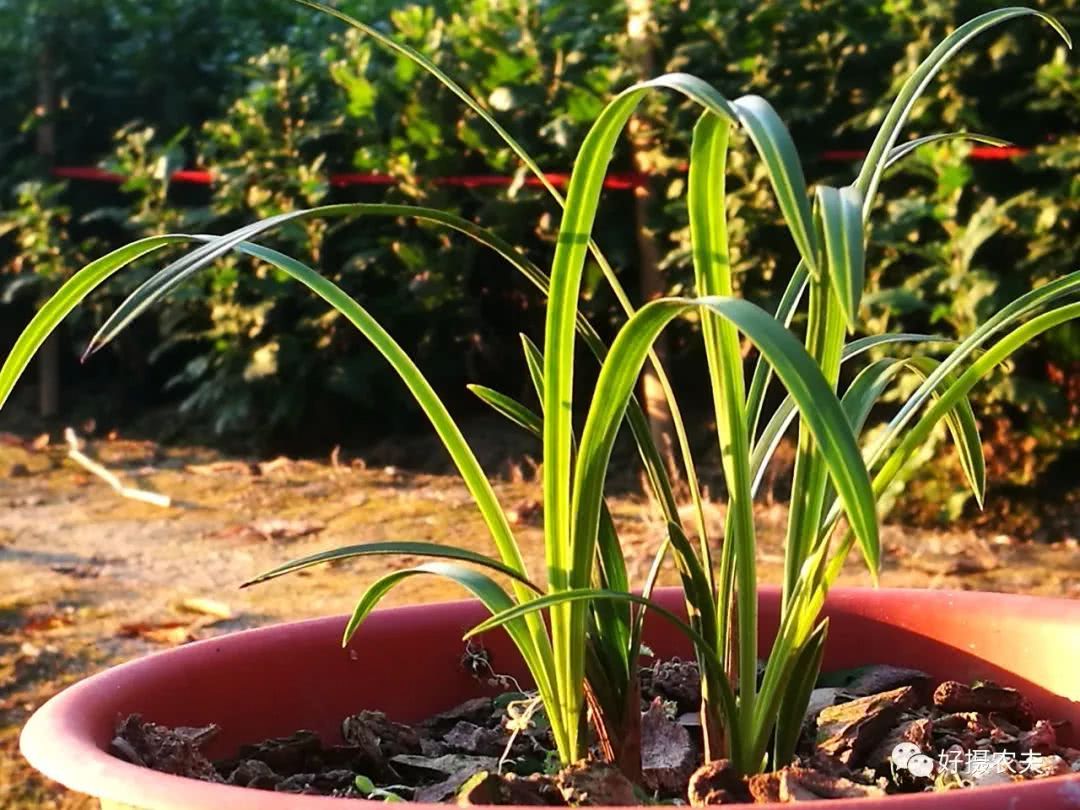
The Ratio and Precautions for Using Cake Fertilizer as a Base Fertilizer in Orchid Growing Medium
What kind of fertilizer is best for orchids? Besides some formulated fertilizers, farmyard manure is also a good choice. Especially the residue left after farmers press oil - cake fertilizer. Rapeseed cake, peanut cake, and tea seed cake are all top-grade organic fertilizers, and farmers...
-
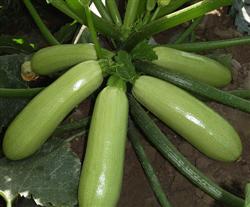
Different base fertilizers for zucchini mean different fertigation methods
In the middle and late stages of zucchini growth in a solar greenhouse, poor indoor ventilation and light transmission, a closed crop canopy, and weak photosynthetic capacity make plants prone to early senescence and low yields. In recent years, vegetable growers in Dongkan Town, Binhai County, Jiangsu, have worked out a set of vine-pressing cultivation techniques that allow the zucchini growing period to be extended from September of the first year to June of the following year, with a yield of 10,000 per mu...
-
How to apply base fertilizer when planting Chinese cabbage
The application of base fertilizer should be comprehensively considered according to soil texture, soil fertility, variety, and the length of the growing period. Chinese cabbage is a vegetable with a relatively high fertilizer requirement, a long growing period, and a large amount of growth. This is especially true for late-maturing varieties, which have large plants and high yields and require large amounts of organic fertilizer to meet the fertilizer demand of Chinese cabbage during the middle and late stages of head formation, so generally each...
-
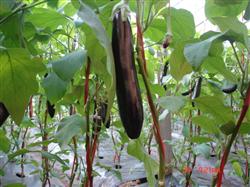
How should base fertilizer be applied to eggplants? These methods need to be mastered
Sclerotinia rot is an important disease on early-spring greenhouse eggplants in coastal areas in recent years. It can occur from the seedling stage to the mature plant stage, with the most severe damage during the early flowering and fruiting period, often causing the buds and young fruits of the first eggplant and the second eggplant to rot and drop, the main stem and branches to die, and early yield to drop sharply. Symptoms of the disease: at the seedling stage, the disease starts at the base of the stem, ...
条件筛选