-
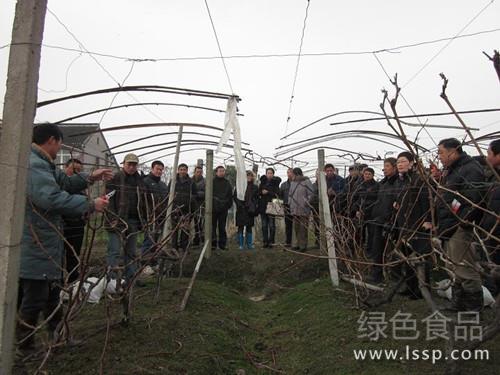
Winter pruning tips for grape fruiting canes: too early causes nutrient backflow, too late causes bleeding
Too early causes backflow, too late causes bleeding: winter pruning tips for grape fruiting canes
-
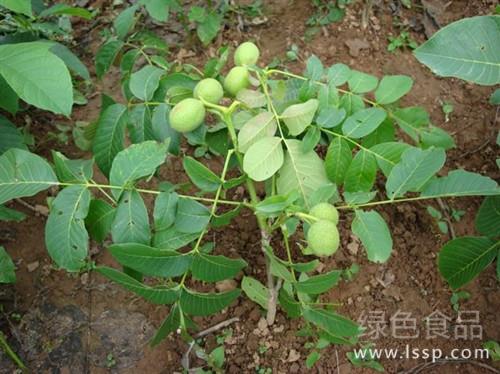
Walnut saplings are prone to branch dieback in winter. What are the key points for cold protection?
Walnut saplings are prone to branch dieback in winter. Key points for winter cold protection of young walnut trees
-
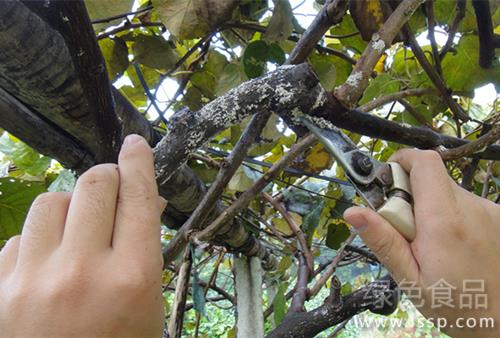
Control Methods for Kiwifruit Armored Scale Insects That Weaken Tree Vigor and Cause Branch Dieback
How to Control Kiwifruit Armored Scale Insects That Weaken Tree Vigor and Cause Branch Dieback
-
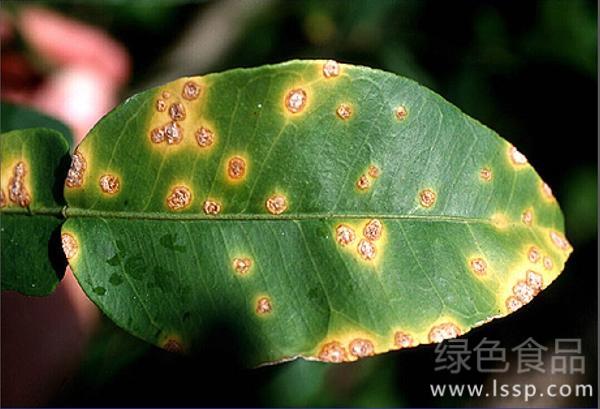
Citrus canker causes leaf drop, fruit drop and branch dieback: how to prevent and control it
How to prevent and control citrus leaf drop, fruit drop and branch dieback: citrus canker
-

How do you bring a plant back from the dead? A roundup of methods to help you revive your plants
How can you bring a plant back from the dead? The editors have put together a roundup of methods for reviving plants, so let's take a look
-
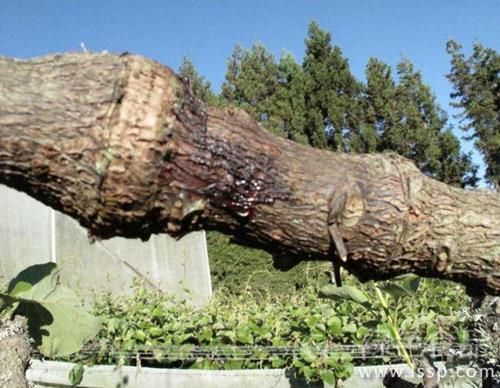
Kiwifruit canker causes red spots on leaves and spots on trunks leading to dieback: how to prevent and control it
Red spots on leaves, spots on trunks and dieback: control measures for kiwifruit canker
-

Detailed Guide to Propagating Red-Backed Laurel by Cuttings, Even Beginners Can Learn
I. Best Time for Cuttings: The best time is before the spring buds begin to sprout. During this period, the branches are rich in hormones and have accumulated plenty of nutrients. After planting, as the temperature rises, the cuttings quickly form callus tissue. If this timing is missed, cuttings can be taken from late July to mid-August, after the spring shoots stop growing and before the flower buds and autumn shoots begin to sprout.
-
How to Grow Red-backed Chinese Laurel? A Detailed Guide to Cultivation Methods
Temperature: Red-backed Chinese Laurel (Excoecaria cochinchinensis) is a subtropical plant and is not cold-hardy. The suitable growing temperature is between 15-25°C, and the overwintering temperature must not be lower than 5°C. Light: It tolerates partial shade and prefers scattered light; strong direct sunlight exposure must be avoided. In summer, it needs to be placed in a shaded and well-ventilated spot, which helps maintain the deep green color of its leaves.
-
How to Grow and Care for the Red-Backed Prayer Plant (Stromanthe sanguinea) with Key Tips
Soil: The red-backed prayer plant (Stromanthe sanguinea) prefers loose, fertile, moist, well-drained acidic soil. For container growing, use an equal mix of leaf mould, garden soil and river sand with a small amount of base fertiliser as the potting medium; the soil should be nutrient-rich, loose and airy. Watering: The red-backed prayer plant is not drought-tolerant, so it needs plenty of water during the growing season.
-
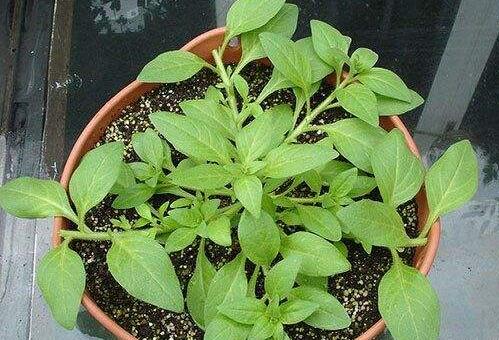
How to prune and pinch back petunias? An illustrated guide to removing the growing tip at the right spot
Petunias have a long flowering period and high ornamental value, so they are often regarded as the king of herbaceous flowers. To have a petunia with lush foliage that is also beautiful, besides the correct petunia planting method, you also need to pinch it back at the right time
条件筛选