-

Why Bayberry Gets Bugs and How to Wash Them Away
Bayberry is the fruit of a small tree or shrub in the genus Myrica of the family Myricaceae. It gets its name because its shape resembles water willow and its taste resembles plum. The fruit ripens in early summer, has a brilliant color, is sweet and sour with a pleasant taste, is rich in nutrients, and has high medicinal and edible value. But many times we find bugs inside bayberries.
-

How to treat red spider mites on roses? An old flower farmer teaches you three simple tricks to keep diseases away!
How to treat red spider mites on roses? The rose is known to all as a very beautiful and elegant flower, but it is also rather delicate and must be cared for very carefully, otherwise it easily falls victim to various pests and diseases. Especially in hot, scorching weather, we must take careful care of our roses.
-

How to Keep Flowers Alive When You're Away for Half a Month? Clever Tricks for Going Half a Month Without Watering
Nowadays, due to work pressure, some people forget to water their flowers for long periods, or they go away on a trip, and their plants dry up from lack of water. This happens all the time. But with a few clever methods, your flowers won't dry out, and they'll even grow strong roots and green leaves.
-
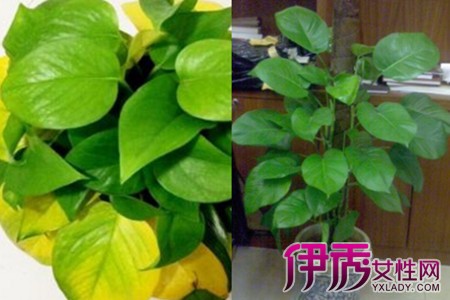
Why do pothos leaves turn yellow? Keep your houseplants away from an unhealthy state
In recent years, the pothos plant has become very popular because it is not only green and eye-catching but also purifies the air. However, some people find that the pothos leaves in their homes always turn yellow and want to know what is actually going on.
-
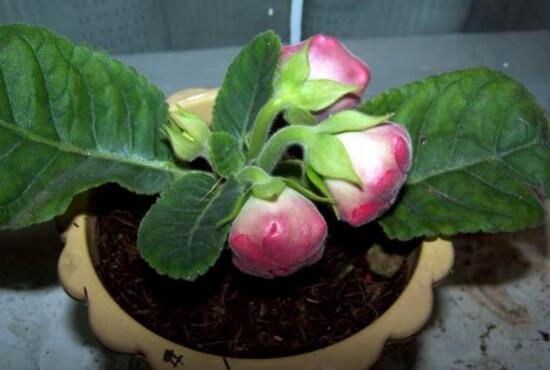
Why do Gloxinia tubers rot? Dig up the tuber, cut away the rotten part and replant
As a common indoor flowering plant, Gloxinia (Sinningia speciosa) should be familiar to flower lovers. Its leaves are large and emerald green, and its flowers are beautiful and multi-colored, making it highly ornamental when grown indoors. But during the growing process, many flower lovers encounter the phenomenon of the tuber rotting. So why do Gloxinia tubers rot? What should you do when a Gloxinia tuber rots?
-
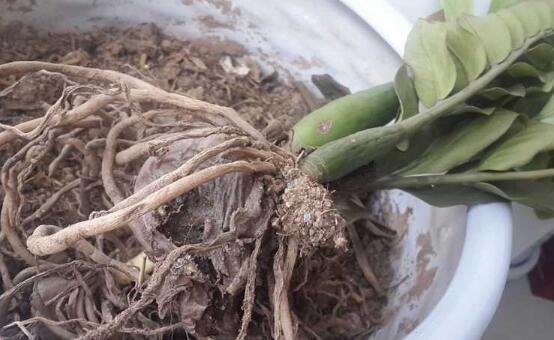
What to Do If a Money Tree Has Root Rot? The Remedy Is to Cut Away the Rotten Roots and Replant
The money tree, named for its coin-shaped leaves, is a beautiful foliage plant. In daily life, many people keep a pot of money tree at home, not only because it looks nice, but also because it carries an auspicious meaning. However, during cultivation, for various reasons, the money tree can develop root rot, which affects its ornamental value
-
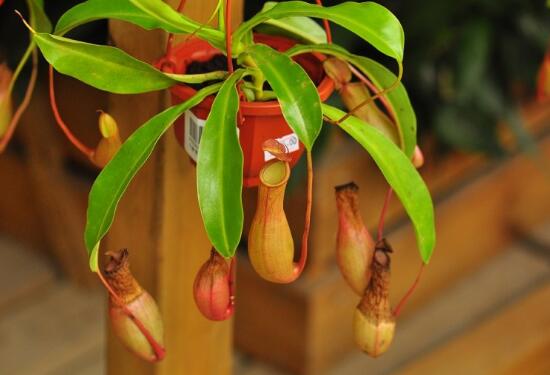
Detailed Guide to Overwintering Pitcher Plants: Keep Away from Windows and Raise the Temperature
The pitcher plant (Nepenthes) is a very unusual plant that grows many pitchers with the ability to catch mosquitoes and flies. It is precisely because of these qualities that many people keep pitcher plants as houseplants. However, since pitcher plants originally grow in tropical regions, they like high temperatures and cannot tolerate cold, so care in winter requires special attention.
-
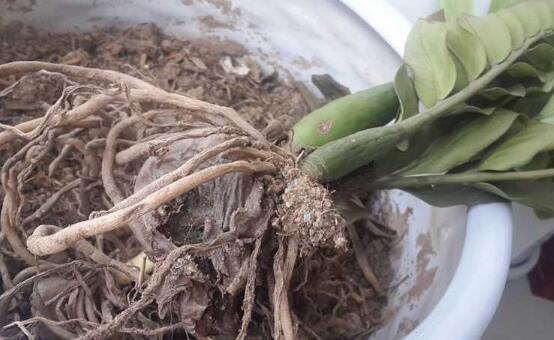
How to save a money tree with root rot? Cut away the rotten roots and replant; overwatering is the main cause
The money tree (Zamioculcas zamiifolia), with its bright green, attractive leaves and auspicious symbolism, is welcomed and loved by a wide range of people and is kept in many homes. However, quite a few gardening enthusiasts report that their money trees often develop root rot. Why is that? How do you save a money tree with root rot? On this subject
-
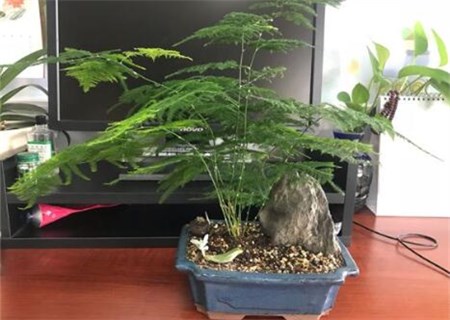
How to Grow Asparagus Fern So It Sprouts New Shoots: Shaping After Runaway Growth and Dealing with Yellow Leaves in Winter
Asparagus fern, also known as cloud-pine, spiny asparagus, cloud bamboo, mountain grass, and chicken-feather fern, likes a warm, humid, semi-shaded and well-ventilated environment. It cannot tolerate severe cold in winter or drought, and in summer it should be kept out of direct sunlight. So do you know how to grow asparagus fern so it sprouts new shoots? What should you do if it grows out of control? What should you do if its leaves turn yellow in winter?
-
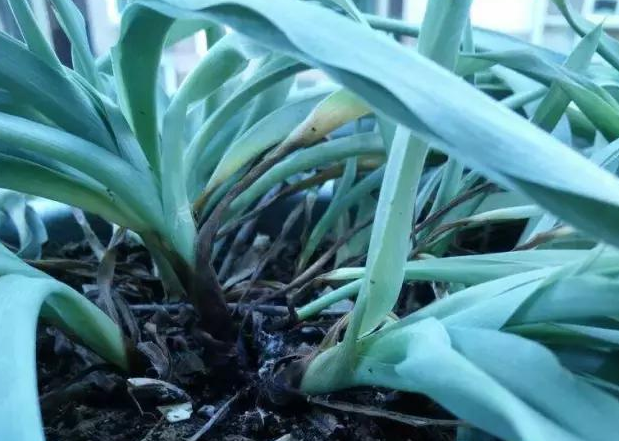
Don't Throw Away Spider Plant Leaves That Have Turned Yellow and Withered - Let Me Show You How to Easily Revive It
First, you need to understand the plant habits of the spider plant: spider plants (Chlorophytum comosum) like warmth and humidity, cannot tolerate severe cold, and should be kept away from direct blazing sun and dry winds. They can be grown indoors long-term. Their leaves grow in clusters resembling flowers and stay green year-round, making them a fairly well-known foliage plant, often called the "aerial flower." Next, you need to know why spider plant leaves turn yellow
条件筛选