Why do pothos leaves turn yellow? Keep your houseplants away from an unhealthy state
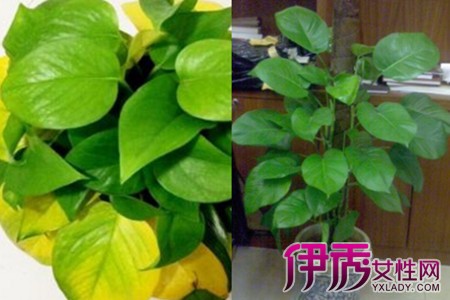
Among all houseplants, pothos is considered one of the easier ones to grow, but sometimes it still becomes unhealthy due to incorrect care. Yellowing leaves or blackened, wilted leaves are signs that it is sick. Today we will explain the various reasons why pothos leaves turn yellow and how to deal with them.
Reason one why pothos leaves turn yellow: insufficient water. Because pothos grows especially fast, it must be given enough water. In a dry indoor environment in winter, it needs watering once a day. In summer, if it is the rainy season, it can be watered once a day; in dry seasons, it should be watered at least twice a day. If it is hard to judge the watering time, you can water them once the surface of the soil looks dry.
Reason two why pothos leaves turn yellow: not enough light. Although pothos can grow in an environment without sunlight, that does not mean it does not need sunlight at all. It should be placed in the sun once or twice a week to keep its leaves healthy. If it is kept out of the sun for a long time, its leaves will turn yellow. To solve this, give them appropriate sunlight and also remove the yellowed leaves so nutrients are not dispersed.
Reason three why pothos leaves turn yellow: too much fertilizer. Although pothos also needs fertilizing, do not give it too much fertilizer each time. You should reduce the amount applied each time and increase the number of applications, so the leaves will not turn yellow. If the yellowing is caused by this, you can remove the yellow leaves and then repot the pothos in fresh soil.
These are the reasons why pothos leaves turn yellow and the ways to handle them. I hope this can help friends who have pothos at home. Pothos is a plant that is very good for our indoor air and our family's health. As long as we cultivate it patiently, pothos will also give us more health in return.
Analysis of common causes of death in houseplants and rescue methods
I believe we have all encountered this situation. When buying a potted plant, the flower shop owner always says, "This flower is the easiest to grow, just water it..." As a result, within a few months, the flower dies "for no apparent reason." It was growing so well, so why did it die? Below I will share some common analyses of causes of death in houseplants and rescue methods.
1. Alocasia
Alocasia
Alocasia - a very likable name, but the water it drips is said to be toxic, so be careful.
Common cause of death 1:
Too much light, improper watering.
Main symptoms: drooping leaves, yellow leaves.
Solution: Alocasia likes shade, so do not let direct sunlight hit it. Control watering in winter. Also do not spray water on the leaf surface, as it will cause white spots to appear on the leaves.
Common cause of death 2:
Insufficient fertilizer and water.
Main symptoms: leaves become wilted.
Solution:
Alocasia likes moist, fertile soil. During the growing period, it can be watered and fertilized more.
Tip: Winter is the dormant period for Alocasia. If the leaves shrink and turn yellow, you can cut all the leaves off from the stem, stop watering, place it in a corner, and water only once a month throughout the winter.
2. Money Tree
Money Tree
Money Tree - when "Malabar chestnut" was renamed "Money Tree," it immediately became the "tree that anchors the home" for many small households.
Common causes of death:Temperature too low, water accumulating in the pot.
Main symptoms: leaves turn yellow and fall off.
Solution:
The Money Tree easily dies below 10°C. Avoid water accumulating in the pot, and reduce watering in winter. During the growing period, you can lightly spray a small amount of water on the leaves from time to time.
Tip: The Money Tree likes sun and tolerates shade. It can be kept in a low-light indoor spot for 2-4 weeks in a row, and then placed in a brighter spot.
3. Pothos
Pothos
Pothos - from the White House to ordinary people's living rooms, there is no place without its lush green presence.
Common cause of death 1:
Improper watering.
Main symptoms: leaves turn yellow.
Solution: Pothos likes a hot and humid environment. Keep the potting soil moist; when you notice the potting soil turns pale, water it thoroughly. Reduce watering in winter, and just keep the potting soil from drying out completely.
Common cause of death 2:
Unsuitable light.
Main symptoms: leaves turn yellow and wither.
Solution:
Pothos is suited to "partial shade" and avoids direct sunlight, but it also cannot be kept in a shady place for a long time. When winter temperatures are lower, it can be grown in full sun.
Tip: In midsummer, spray water on the aerial roots and leaf surfaces several times a day. This both cleans the leaves and lowers the leaf surface temperature, increasing the humidity of the micro-environment.
4. Aloe
Aloe
Aloe - can absorb harmful gases such as formaldehyde, a must-have for a new home
Common cause of death 1:
Cold damage
Main symptoms: leaves turn black.
Solution: Aloe is a tropical plant and is naturally afraid of cold. Below 0°C, the water in the leaves will freeze. When the temperature gradually drops below 5°C, it should be moved indoors to a south-facing, wind-sheltered, sunny spot.
Common cause of death 2:
Overwatering.
Main symptoms: root and stem rot.
Solution: Although it looks very full of water, the most important thing in caring for aloe is not to use too much water. Usually spray or sprinkle water on the leaves to keep them slightly moist. In winter, keep the soil dry.
Tip: Potted aloe is best grown in a clay pot, and it is not suitable to use ceramic or plastic pots.
5. Asparagus Fern
Asparagus Fern
Asparagus Fern - very ordinary, with a uniquely elegant character, the first choice of scholars for refined taste.
Common cause of death 1:
Improper placement.
Main symptoms: branches and leaves turn yellow and wither.
Solution: The Asparagus Fern cannot be exposed to strong sun, but it needs sunlight and air circulation; it is best kept away from stoves and televisions, and room temperature must not be below 5°C.
Common cause of death 2:
Overwatering.
Main symptoms: root and stem rot.
Solution: Do not water the Asparagus Fern when it is not dry; when dry, water thoroughly, but do not let water remain in the pot.
Tip: If the Asparagus Fern withers due to improper placement, cut off the dead leaves and continue caring for it; it will still send out new shoots.
6. Spider Plant
Spider Plant
Spider Plant - the popular "grassroots" orchid
Common causes of death:
Improper placement.
Main symptoms: leaf tips wither
Solution:
The Spider Plant should be placed in a spot with short sunlight hours or no direct sunlight, avoiding strong light. Avoid letting the Spider Plant directly touch walls, iron frames, window frames, and other structures. Clean the Spider Plant leaves regularly to remove dust and keep them fresh, and often cut off withered, declining leaves.
7. Rubber Tree
Rubber Tree
Rubber Tree - a plant that looks long-lived, though of course that depends on the owner's skill
Common causes of death:
Temperature too low.
Main symptoms: leaves turn black and fall off, roots rot.
Solution: The Rubber Tree likes sunlight and cannot tolerate cold. In winter it should be moved indoors to a sunny spot, keep room temperature above 10°C, and the lowest temperature should not fall below 5°C. From late April to early May of the following year, move it outdoors or onto a balcony for care.
Tip: During high summer temperatures, the Rubber Tree grows relatively fast, so it can be given heavy fertilizer and heavy watering.
8. Cyclamen
Cyclamen
Cyclamen - a world-famous flower. I heard it is very easy to grow, but there are countless contrary examples around me.
Common cause of death 1:
Spraying water directly on the petals when watering
Main symptoms: root rot, petal rot
Solution:It is best to water by soaking water from the bottom of the pot, and water again when the flowers and leaves are slightly wilted. Do not spray water on the petals, as it will cause the petals to rot.
Common cause of death 2:Poor ventilation.
Main symptoms: petals dry up and wither.
Solution:
Cyclamen likes ventilation. Smoke, dust, and stale air will make the petals dry up and wither, but it also cannot be placed directly in a drafty spot.
Tip: Cyclamen is best placed in windows, balconies, and other places with ample light, and the position of the flowerpot should be changed frequently. Ample light can make the flowers more vivid and the leaves more glossy.
9. Cactus Ball
Cactus Ball
Cactus Ball - if you can even kill this, you are truly a master!
Common cause of death 1:
Flowerpot too large.
Main symptoms: root rot.
Solution:
The flowerpot should not be too large; it is best if it can hold the ball body with a little gap. If the flowerpot is too large, after watering thoroughly it cannot absorb the water, air in the pot does not circulate, and the roots easily rot.
Common cause of death 2:
Overwatering or underwatering.
Main symptoms: the ball body rots.
Solution:
In winter, water sparingly on sunny mornings. In summer, water fully in the early morning and evening; watering at noon easily causes sunburn on the ball body.
Tip: For those cactus balls with a depression at the top, be careful not to let water get into the depression, to avoid causing rot.
10. Rieger Begonia
Rieger Begonia
Rieger Begonia - a New Year flower that has gradually become popular in recent years, with an extremely long flowering period.
Common cause of death 1:
Unsuitable temperature.
Main symptoms: leaf color turns yellow.
Solution:
The suitable temperature for Rieger Begonia is 18°C to 22°C. In winter, place it indoors in a south-facing sunny spot as much as possible. In summer, when sustained high temperatures above 28°C occur, it can be placed in an air-conditioned room or a shaded spot.
Common cause of death 2:Improper watering.
Main symptoms: wilting, dieback.
Solution:
The potting soil should be kept moist, neither bone-dry nor overly wet; do not water too much during the flowering period, otherwise the flowers are prone to drop.
Tip: Rieger begonia (Begonia × hiemalis) requires plenty of fertilizer and water during the growing season; apply once every two weeks either a soybean soaking solution or fermented rice-washing water.
Conclusion: There are many more plants suitable for growing at home, and we will not list them all here. As long as you put in a little extra care for them day to day, keeping them free of disease and helping them grow strong is not difficult at all.
Your plants always die easily? Learn these little tricks!
If your plants at home always die easily and do not survive more than three months, then you need to learn these little care tricks!
To prevent root rot in plants, you can use the following little tricks:
Broken roof tiles
The soil in the flowerpot lacks nutrients, becomes dry and hard, and clumps together, which can easily clog the drainage holes at the bottom of the pot, affecting the normal growth of the plant. Therefore, potted plants need timely soil loosening to increase the soil's air permeability. We can find some thin old bricks and tiles outside, crush them, and spread them at the bottom of the flowerpot; this provides ventilation and air permeability, so that even without much soil loosening, water can drain and moisture can escape smoothly, and you no longer have to worry about waterlogging and root rot.
Loofah sponge
The loofah sponge we usually use for washing dishes, do not throw it away when it wears out; cut it into small pieces, put them in the flowerpot, then fill it with soil and you can plant flowers. Nothing absorbs water and breathes better than a loofah sponge; use it for growing flowers and green plants, and the soil is less likely to dry out, harden, or spoil. After the loofah sponge decomposes, it also becomes a natural nitrogen fertilizer, so the plants grow stronger and stronger and can quickly fill the pot. It is simply a magic tool for plant care, and it also turns waste into treasure.
Little tricks to prevent yellow leaves:
Rice vinegar
If the leaves of your water-grown pothos (Epipremnum aureum) or money tree (Pachira aquatica) turn yellow, how do you rescue them? Use rice vinegar from the kitchen, and the leaves will quickly turn green again. Rice vinegar is rich in amino acids and also contains a variety of vitamins. You can dilute the rice vinegar at 1:1000, wipe both sides of the leaves with it, and then rinse once with clean water. This allows the leaves to absorb the nutrients in it and become translucent and glossy. Before flowering plants bloom, spraying a little rice vinegar on the flower buds can also make the flowers bloom more vigorously.
Expired milk and yogurt
If the leaves of your plants turn yellow, it is very likely due to a lack of nutrients. Do not throw away expired milk; put it in a bottle, place it in a spot with light, and let it ferment for about a week, and it will become an excellent nitrogen fertilizer. Dilute it with water and use it to water the flowers, so the plants can also "drink" their fill of nutrients.
There are the following tricks to prevent pests:
Sesame oil
Summer is when pests break out most often. Houseplants sometimes inevitably suffer from pests such as ants and aphids, which not only harm the plants but can also invade the human body and harm health. To prevent insects such as ants and spiders, simply smear some sesame oil on the rim of the flowerpot; this can drive away the small bugs and keep them away from the plants.
Garlic
Everyone knows that garlic can fight bacteria and reduce inflammation; it not only boosts the human body's resistance but also enhances the pest resistance of plants. Peel the garlic and crush it into minced garlic, then dig a small hole in the flowerpot and bury it in the soil to prevent ants and snails.