-
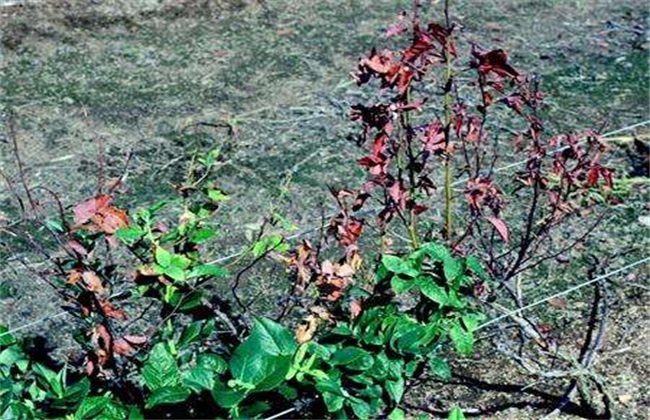
How to prevent and control blueberry canker? Mastering these methods is key
Prevention and control methods for blueberry canker
-
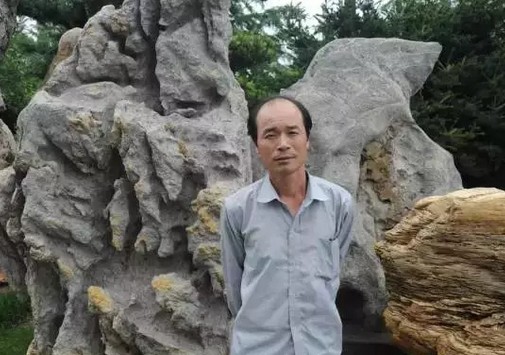
Shanghai-style bonsai master Wang Miaoqing and his bonsai garden, Yipen Garden
I had passed the entrance of this garden, piled with quite a few large rocks, several times before. I had assumed it was just an ordinary workshop for stone carving and landscaping plants, so I never looked into it carefully. Coming here again and stepping inside, I found that although the garden is not large, it has a hidden charm all its own. All kinds of Taihu stones in various shapes are placed casually
-
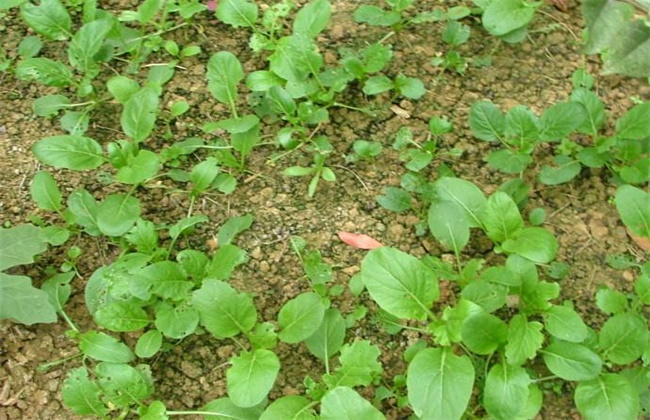
Detailed explanation of the key points of flowering Chinese cabbage seedling cultivation technology, easily master the method of cultivating strong seedlings
Flowering Chinese cabbage seedling cultivation technology
-
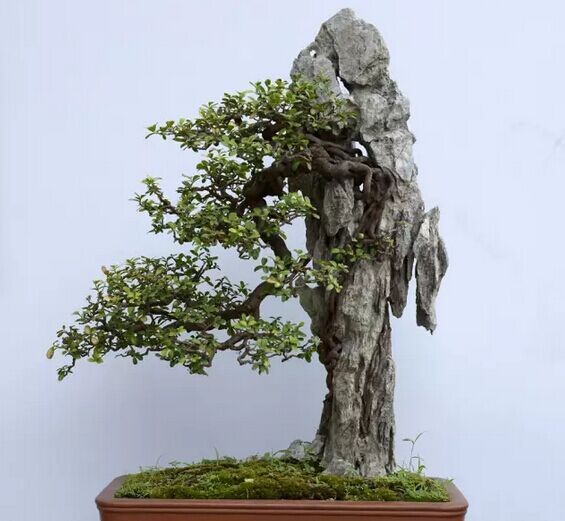
Appreciation of Outstanding Works from the Lingnan Bonsai Masters Exhibition
Bringing together the three bonsai masters Wu Chengfa, Chen Chang and Huang Jiuwei, leading figures in today's Lingnan and even Chinese bonsai circles, the "Lingnan Bonsai Masters Exhibition", themed "Scenery Beyond Scenery, Image Beyond Image", opened at Chanfu Temple in Beihai Park. The bonsai in all their varied forms offered the people of the capital a feast of art
-
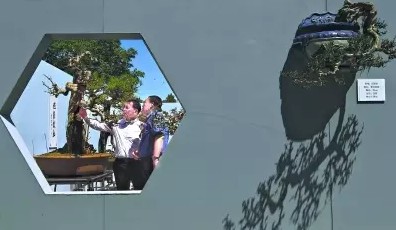
Masterpieces by great masters showcased together at the Lingnan Bonsai Exhibition
From May 28 to June 8, 2014, Beihai Chanfu Temple will present visitors with a Dragon Boat Festival cultural feast, the Lingnan Bonsai Masters' Fine Works Exhibition. Two hundred exquisite bonsai by three renowned bonsai masters, Wu Chengfa, Chen Chang and Huang Jiuwei, opened at Chanfu Temple in Beihai Park. The main characteristic of Lingnan bonsai is shaping according to the material
-
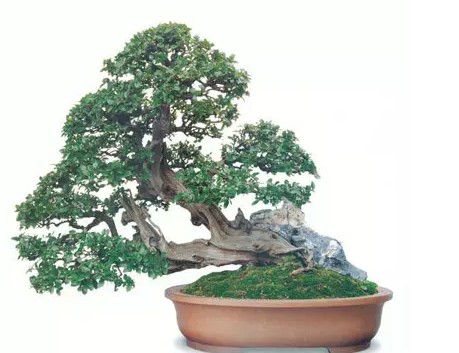
Appreciation of Masterpieces of Suzhou-Style Penjing: Experience the Charm of Traditional Penjing Art
"Ancient Charm Abounds": Species: Chinese sweet plum (Sageretia thea). Height: 57 cm. Age: about 50 years. At first glance it looks like a completely withered old stump, and it has been shaped by human hands, yet it is quaint and natural; the dense canopy of branches and leaves makes it hard to believe that it grew from the back of this dead stump, yet this is an indisputable fact.
-
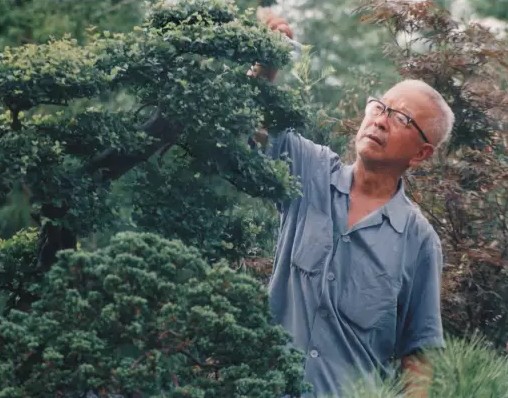
Suzhou Garden Bonsai Masterpieces to Appear at the Summer Palace
Suzhou is a garden city that brings together the essence of Eastern garden architecture, and since ancient times it has enjoyed the reputation that the gardens of Jiangnan are the finest under heaven, and the gardens of Suzhou are the finest in Jiangnan. Suzhou has always been a gathering place for literati, and the Wu School of painting, represented by Shen Zhou, Wen Zhengming, Tang Yin and Qiu Ying, created a large number of poems, essays and paintings for Suzhou gardens
-
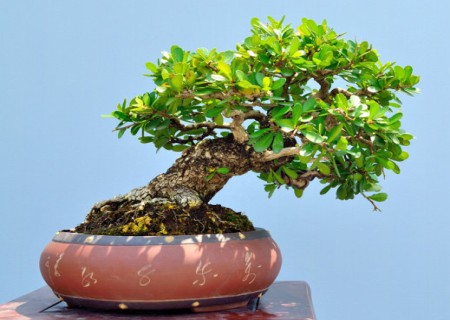
A detailed explanation of the Lingnan bonsai crown-finishing branch method, mastering the key points of tree crown shaping
For the crown finishing of a stump bonsai, the traditional left-right-left method can be changed to a spiraling crown finish. This keeps the crown low yet still allows for a rich tree form, giving the bonsai plant a wonderful effect of a thick but low trunk in a specific natural environment. At the same time, it also gives people a fresh, simple and natural feeling
-
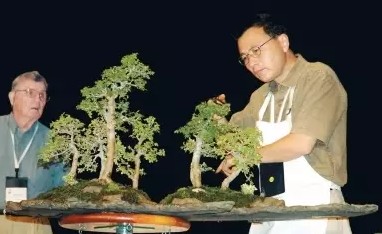
Yangzhou-style penjing debuts on the world stage, with Chinese penjing art master Zhao Qingquan giving a special presentation
With no prominent signboard hung high and no luxurious decoration, Master Zhao Qingquan's studio, tucked away in a corner of the Penjing Museum in the Ten Thousand Flower Garden of Slender West Lake, looks quite simple and understated. When the reporter walked into Zhao Qingquan's office, he was on the phone with Su Yiji, former chairman of the International Bonsai Association and a famous penjing and viewing stone artist from Taiwan, China
-
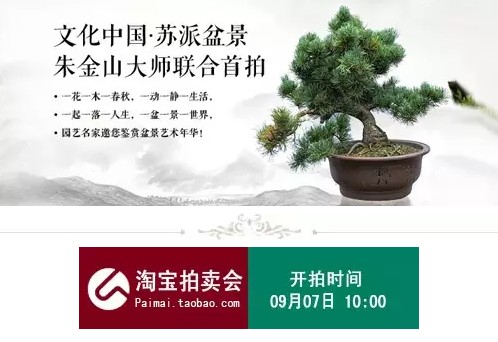
Cultural China · Su-style Bonsai Masters Joint First Auction Works
Su-style bonsai is one of the outstanding traditional arts of the Han ethnic group and a treasure of garden art. The bonsai art centered on Suzhou City, Jiangsu Province, has a long history; it took shape in the Tang and Song dynasties, flourished in the Ming and Qing dynasties, and thrives in the contemporary era. With its unique structural forms and artistic style, it is one of the main schools of Chinese bonsai.
条件筛选