How to prevent and control blueberry canker? Mastering these methods is key
Blueberry canker is one of the most common diseases of blueberries, occurring quite widely, and there is relatively more experience with its prevention and control. So what are the symptoms of blueberry infection with canker, how to identify it, when it mostly occurs, what pathogen causes it, and then the characteristics of the pathogen and its transmission routes are all things we need to understand, so that we can more easily prevent and control the harm of canker.
I. Conditions for disease development
The disease is caused by a fungus, generally spreading through conidia via rainwater and irrigation water to cause infection and disease in multiple places, and seeds and farming operations can also carry the pathogen and spread it. The pathogen overwinters in diseased tissues, which is the main source of infection. Generally, after temperatures rise, it can resume reproduction and cause harm, and then the high-temperature, high-humidity months of May to June are the peak period for disease occurrence, mainly beginning infection in April. The pathogen invades through wounds and natural openings, but failure to do a good job of freeze protection in winter is the main trigger.
II. Symptoms of disease development
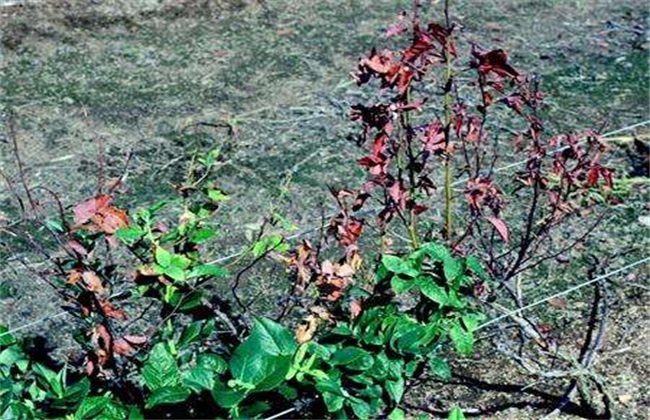
The pathogen mainly harms the base of the upper branches of the current year, then diseased spots appear. The spots are water-soaked in appearance, irregular, initially relatively small and later expanding, surrounding the entire branch. The spots are clearly distinct from healthy parts, and the spots are initially reddish-brown or yellowish-brown and later turn dark black. Black spore dots form on the spots. After being affected, the leaves turn brown.
III. Prevention and control measures
1. Pruning
During the dormant period, prune off branches that have changed color, because they may be infected, to prevent occurrence. Provide sufficient fertilizer and water to let the branches grow quickly. But too much fertilizer is also harmful to blueberry growth. If diseased branches are found in the orchard, they should be pruned off promptly and taken out of the orchard to be buried deep in a centralized place or burned. Disease is prone to occur when winter freeze protection is poor, so in winter it is necessary to frequently inspect and prune.
2. Seed and site selection
When planting blueberries, choose excellent varieties with relatively strong disease resistance and strong adaptability, and the planting stock should be virus-free stock cultivated through special techniques. The planting site should be in a relatively high place far from rivers, requiring dry, well-aerated, fertilizer-retentive, non-clay-heavy loam soil.
3. Medication
When disease is found, prune first and then spray promptly. If severely diseased plants are found, they can be pulled out directly, the soil replaced, and the soil and surrounding environment disinfected. Spraying should be done on sunny days, and if it rains, spray again. Mainly spray 20% prothioconazole suspension concentrate at 500 times dilution. In addition, if the disease occurs across the whole planting, every effort should be made to save them. Generally, the above agent should be applied to the diseased areas, and for larger spots it may be necessary to scrape off the spots before treating. Apply at an interval of three days, or for severe cases at an interval of one day, applying continuously three to four times, and it will basically improve.
Among common blueberry diseases, canker occurs widely, and it is also a main disease that often requires prevention and control. The above content briefly introduces disease occurrence and prevention and control, for reference. Thank you for reading.