-

What are the care methods for zinnias? A detailed explanation in one article
How do you care for zinnias?
-
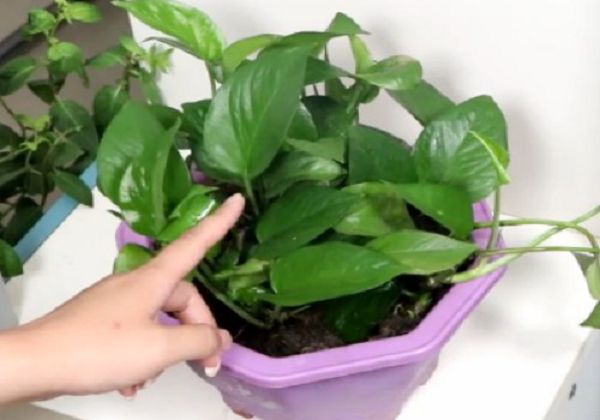
Does pothos prefer shade or sun? Understanding its light needs in one article
Does pothos prefer shade or sun
-

Is the kapok a flower or a tree? This article will help you get to know the kapok
What is the kapok, a flower or a tree
-
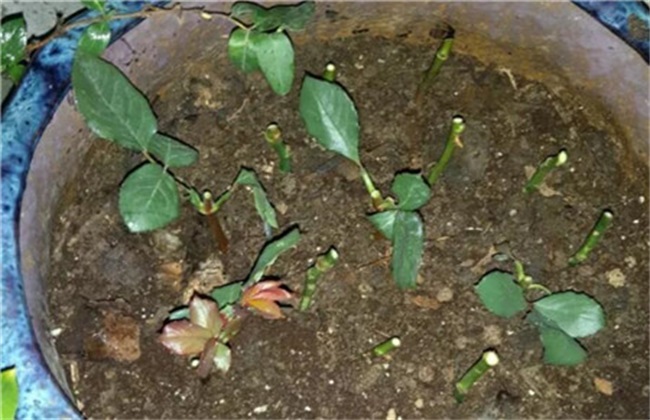
How to Propagate Lisianthus by Cuttings? Learn the Specific Method in One Article
How to Take Cuttings of Lisianthus
-
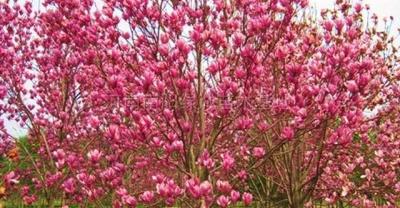
What are the common pests of flowers and trees? Explained clearly in one article
Several common pests of flowers and trees: Controlling scale insects and aphids: spray with 40% omethoate emulsifiable concentrate at 1000 to 2000 times dilution or 50% fenitrothion emulsifiable concentrate at 1000 times dilution. Preventing...
-

-

What are the propagation methods for Persian buttercup? This article explains in detail
Propagation methods for Persian buttercup
-

What are the propagation methods for crape myrtle? This article explains seedling techniques in detail
Propagation methods for crape myrtle
-

What classifications do tulips have? Understanding tulip variety classification in one article
There are many varieties of tulips, about ten thousand or more. Two main classification methods are introduced here: 1. Classification by flower shape variation. They can be divided into cup type: the corolla is cup-shaped, with representative varieties including Cottage tulip, Darwin tulip, and Darwin hybrid tulip; bowl type: the corolla is shallow dish-shaped and bell-shaped, with many small flowers, and the representative variety is water lily tulip; lily type: the petal tips are gradually pointed, and the corolla resembles a lily flower, with the representative variety being lily tulip; ball type: the corolla is spherical, and these are the double-flowered types among Cottage tulips and Darwin hybrid tulips. 2. Classification by early or late flowering.
-
How to grow Lilium brownii var. viridulum? Cultivation key points explained in one article
I. Variety characteristics and traits Longya lily (Lilium brownii var. viridulum), also called musk lily, is a sweet lily type. The above-ground part is 80-110cm tall, leaves are 10-18cm long, flowers are white, bulbs are nearly spherical, each weighing 250-500g, white, with narrow and thick scales, tightly clasped, pure white and tender, good quality, with a special fragrance, fast growth, early maturity. Generally 667m can produce 2000kg of fresh scales. II. Cultivation techniques 1. Land preparation and fertilization: It is advisable to choose fertile soil, well-drained sandy loam high-ridge fields
条件筛选