How do you fertilize Bougainvillea? Applying organic fertilizer once every half month is best
Bougainvillea has a long blooming period and brilliant flower colors. It is a highly ornamental plant, and many flower lovers grow it in pots at home. For experienced growers, caring for Bougainvillea is very simple, just a matter of hands-on work; but for beginners, it is a bit difficult to grow, especially how to fertilize Bougainvillea, which has stumped many people. In response, the editor will answer everyone's questions and explain what fertilizer is best for Bougainvillea.
1. What fertilizer is best for Bougainvillea: organic fertilizer
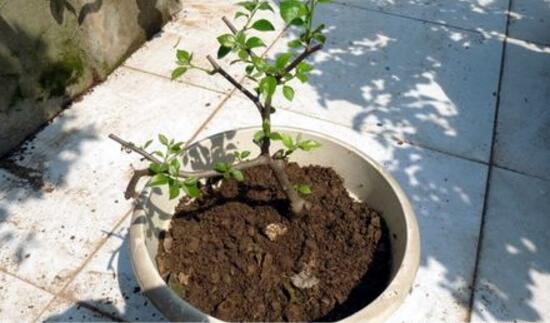
This question is actually very simple. Flower lovers who have the conditions can apply organic fertilizer according to the actual situation: if you want the stems and leaves to grow luxuriantly and the leaf color to be deep green, apply nitrogen fertilizer; to make the plant grow robustly and the stems hard and thick, apply potassium fertilizer; to promote well-developed roots, apply phosphorus fertilizer.
It is worth mentioning that, compared with fertilizing, nutrient soil is actually more important. If the nutrient soil everyone uses is sandy soil containing humus, this will be more effective than fertilizing! So when choosing soil, everyone can pay more attention and follow what is required in the Bougainvillea cultivation methods.
2. How to fertilize Bougainvillea: fertilize by growth stage
Bougainvillea likes fertilizer. To ensure it blooms, appropriate fertilization is needed. As for how to fertilize Bougainvillea, it must be determined according to different growth stages and specific conditions, as follows:
1. During the germination stage, pause fertilization; the nutrients in the potting soil are enough for Bougainvillea to grow. After another half month or so, when the leaves have grown a bit larger, Bougainvillea also enters its peak growing season, and then you can begin fertilizing;
2. After new buds sprout in spring, begin fertilizing. At this time, the Bougainvillea roots are still relatively tender, so apply a dilute fertilizer, and keep it away from the root system to avoid root rot. Note: when the temperature in early spring is below 12°C, do not fertilize;
3. As the new buds continue to grow, by May and June, Bougainvillea enters its peak growing season. At this time, we should fertilize once every half month;
4. During the Bougainvillea blooming period, fertilize more, so as to ensure Bougainvillea blooms more;
5. After the Bougainvillea flowers fade, we should apply urea once every week, which will lay a good foundation for the next bloom.
Bougainvillea fertilization amount: combine with watering to fertilize Bougainvillea. The specific amount: fertilizer water to clear water is 1 to 1; if it is a small seedling, use 1 to 2, to avoid damaging roots and burning seedlings. Note: the amount of fertilizer water used should be enough to soak through without overflowing.
3. Bougainvillea fertilization methods
After knowing how to fertilize Bougainvillea, we still need to fertilize according to the specific situation. Overall, there are the following three Bougainvillea fertilization methods:
Fertilize according to the weather: if the weather is clear and the potting soil is relatively dry, then fertilize; when it is cold and the temperature is below 12°C, do not fertilize, because the roots cannot absorb it.
Fertilize according to the plant: observe carefully at ordinary times. If you see good growth, do not fertilize or fertilize less. During water control, do not fertilize, and do not water or water less.
Fertilize according to the flowers: before blooming, when flower buds appear, we should also fertilize, and with heavy fertilizer. Use paclobutrazol together to avoid the inflorescence being too long and too scattered.
How to fertilize Bougainvillea? What fertilizer to apply to Bougainvillea
How to fertilize Bougainvillea? What fertilizer to apply to Bougainvillea? Next, the editor will introduce in detail the Bougainvillea fertilization methods to help everyone grow Bougainvillea better.
Bougainvillea fertilization methods:
Bougainvillea is prone to leggy growth, and it is also tolerant of poor soil. Some people therefore think that applying too much fertilizer easily causes leggy growth and makes it hard to bloom, and think that because it tolerates poor soil, they should fertilize less and are afraid to fertilize. This is a huge misunderstanding.
Bougainvillea is very tolerant of fertilizer and is a plant sensitive to nitrogen, organic matter, and phosphorus and potassium. With sufficient fertilizer, the leaves become deep green and thick, photosynthesis is strong, more nutrients are accumulated, branches mature quickly, flower bud differentiation is also more and earlier, and the flowers are more brilliant and long-lasting.
1. Fertilizer types: mainly farmyard manure and organic fertilizer, combined with some compound fertilizer with an NPK content of 15% each, following the principle of frequent application of dilute fertilizer.
2. Fertilization time: generally in spring, start fertilizing when new buds appear, because the roots have just begun to grow and are relatively tender, and the temperature is not very stable, so only dilute organic fertilizer water can be applied. First loosen the top two or three cun of the potting soil surface, breaking some old roots. Mix the fertilizer water with paclobutrazol at 2 parts per ten thousand and apply together. Avoid the emerging branches having too-long leaf nodes and a loose plant shape, which is not conducive to pruning into shape. As the new buds grow larger and more numerous and the leaf area increases, potted soil is limited; if fertilizer is insufficient, growth will be poor. May and June are the peak growing season, so fertilizer should be applied frequently, once every half month, and the concentration can also be slightly higher.
3. Fertilization amount: for each plant, the amount of fertilizer water used should be enough to soak through without overflowing. For concentration, fertilizer water to clear water is 1 to 1. For small seedlings, use 1 to 2, to avoid damaging roots and burning seedlings. If using compound fertilizer, the maximum concentration must not exceed 1 to 500, and 800 to 1000 is best.
4. Fertilization precautions: a. Fertilize according to the weather. Fertilize when it is clear and the potting soil is dry. When it is cold and the temperature is below 12°C, do not fertilize; the roots cannot absorb it. b. Fertilize according to the plant. If growth is good, do not fertilize or fertilize less. During water control, do not fertilize, and do not water or water less. c. Before blooming, when flower buds appear, apply heavy fertilizer, and use paclobutrazol together to avoid the inflorescence being too long and too scattered. At the same time, it also helps the inflorescence emerge and become bright and lush.
5. Break the fertilization misunderstanding: Bougainvillea is prone to leggy growth, and it is also tolerant of poor soil. Some people therefore think that applying too much fertilizer easily causes leggy growth and makes it hard to bloom; they think that because it tolerates poor soil, they should fertilize less and are afraid to fertilize. In fact, this is a misunderstanding. Bougainvillea is very tolerant of fertilizer and is a plant sensitive to nitrogen, organic matter, and phosphorus and potassium. With sufficient fertilizer, the leaves become deep green and thick, photosynthesis is strong, more nutrients are accumulated, branches mature quickly, flower bud differentiation is also more and earlier, and the flowers are more brilliant and long-lasting. Using paclobutrazol, plus frequent pinching, can effectively control leggy growth and achieve easy promotion and control, neither damaging the plant shape nor failing to promote flower bud differentiation.
Bougainvillea fertilization (what fertilizer to apply)
Regarding Bougainvillea fertilization and what fertilizer to apply to Bougainvillea, every experienced flower lover has their own insights and experience; it is not that there is a fixed theory. This article is the Bougainvillea fertilization experience of Teacher Baojinnu, a senior Bougainvillea enthusiast, describing very important fertilization processes such as fertilization time, amount, and misunderstandings.
1. Fertilizer types: mainly farmyard manure and organic fertilizer, combined with some compound fertilizer with an NPK content of 15% each (following the principle of frequent application of dilute fertilizer; Teacher Baojinnu makes his own compost, and some flower lovers whose conditions do not allow it can switch to other organic fertilizers).
2. Fertilization time: generally in spring, start fertilizing when new buds appear, because the roots have just begun to grow and are relatively tender, and the temperature is not very stable, so only dilute organic fertilizer water can be applied. First loosen the top two or three cun of the potting soil surface, breaking some old roots. Mix the fertilizer water with paclobutrazol at 2 parts per ten thousand and apply together. Avoid the emerging branches having too-long leaf nodes and a loose plant shape, which is not conducive to pruning into shape. As the new buds grow larger and more numerous and the leaf area increases, potted soil is limited; if fertilizer is insufficient, growth will be poor. May and June are the peak growing season, so fertilizer should be applied frequently, once every half month, and the concentration can also be slightly higher.
3. Fertilization amount: for each plant, the amount of fertilizer water used should be enough to soak through without overflowing. For concentration, fertilizer water to clear water is 1 to 1. For small seedlings, use 1 to 2, to avoid damaging roots and burning seedlings. If using compound fertilizer, the maximum concentration must not exceed 1 to 500, and 800 to 1000 is best.
4. Fertilization precautions: a. Fertilize according to the weather. Fertilize when it is clear and the potting soil is dry. When it is cold and the temperature is below 12°C, do not fertilize; the roots cannot absorb it. b. Fertilize according to the plant. If growth is good, do not fertilize or fertilize less. During water control, do not fertilize, and do not water or water less. c. Before blooming, when flower buds appear, apply heavy fertilizer, and use paclobutrazol together to avoid the inflorescence being too long and too scattered. At the same time, it also helps the inflorescence emerge and become bright and lush.
5. Break the fertilization misunderstanding: Bougainvillea is prone to leggy growth, and it is also tolerant of poor soil. Some people therefore think that applying too much fertilizer easily causes leggy growth and makes it hard to bloom; they think that because it tolerates poor soil, they should fertilize less and are afraid to fertilize. In fact, this is a misunderstanding. Bougainvillea is very tolerant of fertilizer and is a plant sensitive to nitrogen, organic matter, and phosphorus and potassium. With sufficient fertilizer, the leaves become deep green and thick, photosynthesis is strong, more nutrients are accumulated, branches mature quickly, flower bud differentiation is also more and earlier, and the flowers are more brilliant and long-lasting. Using paclobutrazol, plus frequent pinching, can effectively control leggy growth and achieve easy promotion and control, neither damaging the plant shape nor failing to promote flower bud differentiation.
6. The above is my personal experience of the complete fertilization guide. Conditions vary from place to place and person to person; please use it flexibly according to the principles.