-
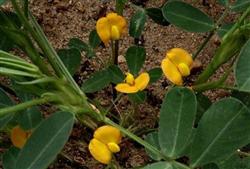
Peanut Cultivation Techniques: What Is the Benefit of Applying Calcium Fertilizer to Peanuts?
What is the benefit of applying calcium fertilizer to peanuts? Netizens, please help explain the reasons. Reasons for applying calcium fertilizer to peanuts: Peanuts are a calcium-loving crop (according to measurements, for every 100 kg of peanut pods produced, 2.7 kg of calcium must be absorbed), and calcium nutrition is needed starting from seed germination; calcium can strengthen nitrogen metabolism in the plant, ...
-
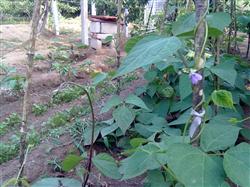
When is the best time to apply boron fertilizer to kidney beans? Analysis of planting and fertilizing timing
When is the best time to apply boron fertilizer to kidney beans? Please give guidance. Generally, to increase the flowering and pod-setting rate of kidney beans and reduce flower and pod drop, vegetable growers often supplement boron fertilizer during the flowering period. Over time, habit becomes second nature, and supplementing boron fertilizer during the flowering period has become a routine technical measure for vegetable growers to prevent flower and pod drop in kidney beans. However, in kidney...
-

When is the best time to apply potassium fertilizer to rice?
When is the best time to apply potassium fertilizer to rice? Please provide guidance. In rice production, scientific and rational application of potassium fertilizer plays an important role in cultivating robust seedlings, improving resistance to disease, pests, and lodging, as well as the seed-setting rate, and achieving high and stable yields. But during the rice planting process, when is the best time to apply potassium fertilizer?...
-
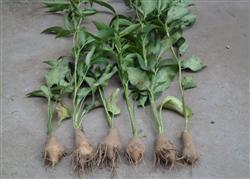
How to prevent diseases and apply fertilizer during Atractylodes macrocephala cultivation?
How to prevent diseases and apply fertilizer for Atractylodes macrocephala? Please provide an introduction to the methods. The common diseases of Atractylodes macrocephala are root rot and southern blight, and the control methods are as follows: Carefully select seedlings: they should be free of pests and diseases, with plump apical buds, slender upper parts, round and large lower ends, fine and tender skin, and dense soft fine roots. Seed soaking disinfection and soil sterilization: the planting material and soil are...
-
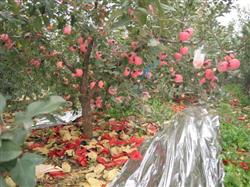
When is the best time to apply potassium fertilizer to apple trees?
When is the best time to apply potassium fertilizer to apple trees? Please explain. Applying potassium fertilizer to apple trees at the right time and in the right amount can significantly increase fruit size, raise sugar content, improve coloring, and also make the fruit color more vivid, the skin smooth and clean, and improve the internal quality such as flavor and taste. The uptake of potassium by apple trees generally occurs from early July to early August. During...
-
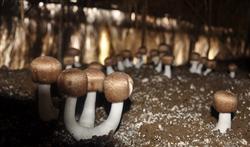
How to apply supplemental fertilizer during mushroom cultivation? Master these key points
How do you apply supplemental fertilizer when growing mushrooms? What fertilizer is best for mushrooms? I hope experienced netizens can help explain. During mushroom cultivation, generally after three harvests the nutrients in the growing medium decrease, acidity rises, the vitality of the mycelium weakens, and yield and quality decline. To achieve high-quality, high-yield mushrooms, supplemental fertilizer must be applied...
-
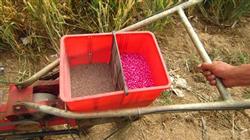
Which fertilizers are unsuitable as seed fertilizers? Understand before applying fertilizer
Three types of chemical fertilizers are unsuitable as seed fertilizers. Fertilizers containing harmful ions: ammonium chloride and potassium chloride fertilizers contain large amounts of harmful chloride ions. After being applied to the soil, they produce water-soluble compounds that burn seeds and seedlings; fertilizers such as ammonium nitrate and potassium nitrate contain nitrate ions, which seriously affect seed germination, so they are unsuitable as seed fertilizers....
-
How to Apply Compound Fertilizers? Technical Key Points and Precautions Explained
Humic acid fertilizer refers to products made from peat, lignite and weathered coal as raw materials, using different production methods, to produce products containing large amounts of humic acid and the nitrogen, phosphorus, potassium and certain trace elements needed for crop growth and development. The varieties of humic acid fertilizer include ammonium humate, nitro-ammonium humate, humic acid phosphorus, ammonium humate phosphorus...
-
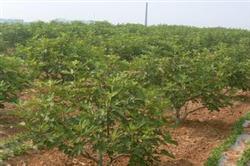
What are the key points to keep in mind when applying organic fertilizer to fruit trees?
1. Organic fertilizer should be applied in combination with chemical fertilizer. Currently, more than 90% of the organic fertilizer used in orchards is farmyard manure. These fertilizers contain large amounts of nitrogen, phosphorus and potassium as well as a certain amount of secondary elements (calcium, magnesium), trace elements (iron, boron, manganese, zinc, copper, etc.) and biologically active substances. They not only provide comprehensive nutrition for fruit trees...
-
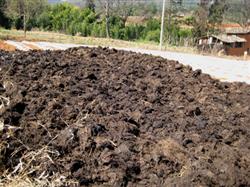
Apply organic fertilizer in moderation, and never apply it blindly in excess.
Composting with microbial agents, compared with traditional composting, has the characteristics of being convenient to ferment, saving labor and time, having low cost, and providing high fertilizer efficiency. The specific method is to use roadsides, field edges and abandoned pits and ponds, add water, urea and microbial agents to wheat and corn straw in a certain proportion, pile them layer by layer, then seal them tightly with soil or mud for decomposition...
条件筛选